Bodyweight

Queuing for the equipment, sweaty people, pushy PT’s selling their programmes on the back of a beer mat. The gym might not be your cuppa tea.

Loud music or music too low, ogling men, Insta fitters, pricey membership, too far to travel or you just can’t be bothered with going today.

Let me present to you the home workout!

Ok, first of all, let me just say that not all gyms are like the above. Most gyms that I go to these days are friendly, clean and affordable. But still, it doesn’t matter how good the gym is, sometimes you just can’t make it in.

But it doesn’t mean that you can’t train. So I’d like to suggest to you a couple of the most valuable pieces of equipment that you will need in your home to be able to get a good workout in without being in a gym (and it doesn’t cost a lot or take up too much room).

1. A selection of dumbbells. If you find a weight range that covers light dumbbells that you can rep for 15 plus and heavier dumbbells that you can rep for 6 then you will have a whole range of exercises that you can do. But the best bit of kit…..?

2. You. Just you. And I don’t mean you have to ‘turn up to get results blah blah.’ Of course you need to get it done. But your bodyweight is by far the most underrated piece of equipment that is available to you. A good bodyweight workout programme would prove this.

If you weigh 70k then you carry this weight when you walk, squat, lunge, press, jump and run. It is why larger people either carrying excess fat or muscle are able to lose weight faster. The more you weigh, the more energy it takes for your body to move, function and exercise.

Sure, long distance trainers and strength competitors need a whole host of equipment and venues for what they need to achieve, but if you are looking to feel a bit fitter and start the new year with a healthy outlook, you already own your best piece of kit.

Simplify Your Goals

Brian Clough was right about football. It is a simple game.

“All you have to do is get that pig’s bladder into that onion bag” is something I always remember my dad telling me just before a game. Maybe he got it from Clough. It sounds like Clough. Or maybe he made it up himself. As a footballer who would often get the pig’s bladder into the onion bag, I wouldn’t be surprised if it was one of my dad’s original mantras before entering the field. He was one of the best football players I’ve ever seen live. He kept it simple. He scored goals and won football games.

My dad playing for Huddersfield in 1975

In my profession, what I try to convey to 90% of my clients is to keep it simple. Now, if you are training for a particular sport, event or for aesthetic bodybuilding purposes who make up my 10%, then I have lots of great advice on training splits and various techniques in other articles but the principal should remain the same. Keep it simple.

Just like the footballer or the athlete, they have to turn up if they want to compete. They have to enter the football pitch or athletic field. So your priority, too, is to make sure that you turn up. Turn up to the gym when you have scheduled it. I see so many missed opportunities from people which, can I be truthful? It’s usually because they found an excuse to not go as they couldn’t be arsed that day.

And life gets in the way. I understand. But this is where we begin to overcomplicate the game. If completing an exercise routine is as engrained into your life as eating, sleeping and breathing then it remains simple. You just do it.

Here are the main culprits when it comes to overcomplicating your fitness goals and how to simplify it…

You don’t go to a gym. Either you don’t feel that you can afford a membership or there isn’t a local gym to you.

Simple. Exercise is free. Training in a gym can be good motivation and it has lots of equipment, but bodyweight exercises or a few weights that you can store away after use at home will suit most fitness goals. And for general fitness, walking is one of the best exercises you can do.

You don’t have time. You work long hours. You have meals to prepare, kids to sort out and by the time everything is done you have run out of time and energy for exercise.

Simple. An exercise routine doesn’t have to be some elaborate plan that takes over your life. The general advice is to complete 150 minutes of moderate intensity a week for aerobic fitness. That’s just over 20 minutes a day per week. For weight loss, increase the intensity by taking less rest periods or adding more difficult exercises over time. You’ll find that you have more energy for your work, social life and your home life by sticking to it.

You can’t stick to a diet plan to lose weight. Everything from 5:2 to the paleo diet has failed leaving you frustrated and demoralised.

Simple. Every diet plan needs to have one common criteria…they need to put you in a calorie deficit. That is consuming less calories than you burn. You don’t need an overhaul of your cupboards and fridge contents. You just need a sensible approach to what you eat. I would recommend a calorie counter app, log your food entries for a few weeks and see where you are going wrong and where you can put it right. It could be just cutting back on a bottle of wine each week, switching to wholegrain instead of white or reassessing your portion sizes. You don’t need to completely ban any food that you enjoy.

It hurts your knees when you squat. You are put off by exercise because certain exercises hurt.

Simple. Don’t do them. I would advise that you ask a professional about your pain and either they can correct your form (which is what is causing the pain) or they will find alternative exercises that don’t cause pain.

We often form some long elaborate web of plans to reach a fairly simple goal. Most of it is highly unnecessary, leading to over thinking and a target that becomes impossible to reach. We forget the simple things. You can’t lose two stone without losing your first kilogram. You can’t run a marathon without running your first mile and you can’t put the pig’s bladder in the onion bag without entering the field of play.

If you’re struggling with your fitness goals, have a think about how you might be able to bring it back to being simple.

What I have Learned From Being A Personal Trainer So Far

For 8 years I’ve been training people in helping them towards their fitness goals. Here’s what I’ve learned so far…

1. It’s the hardest job I’ve ever had. Sure, it sounds cool. Training people in something that I’m passionate about is fantastic and I get to hang around gyms and talk about football and train myself. But I also need to stay business minded. It’s about getting clients and keeping them. Keeping them by setting goals and working towards them. Their results represent my abilities as a PT and my own performance, whether with a client or training myself, will be watched by everyone else. It’s intense.

2. What a client achieves physically isn’t even 50% of their goal completed. They might think it. Great! They’ve lost half a stone. That’s good work. But how do they keep it off? And, now that they have achieved a weight loss target, do they actually respect themselves any more? Do they like themselves? Fitness is more than a PB, a marathon run or a weight loss goal. It’s how we begin to perceive ourselves. It’s respecting yourself enough to WANT to eat nutritious foods, not just because you have to. I have to make people believe that they’re worth hitting their goal, otherwise it’s just going through the motions. And eventually, motion without emotion comes to an end.

3. Chain gyms don’t care about their freelance PT’s. Ok, let me explain this one. The floor managers of these gyms might, but if you think anyone sat in Pure Gym Towers cares about a PT then think again. And why should they? If you are a newbie freelance PT the sooner that you can get into your head that you are now a business person the better. You are a contractor on their premises. It’s tough at times. You pay them rent and they can still call the shots on your business. If you leave then they’ll just replace you. But the sooner you understand that the sooner that you will either a) learn to suck it up or b) find a niche at an independent gym, online or in your own premises.

4. I needed to stay relevant to people. Over the years and with a change of gym in a new town with a pandemic to deal with, I stagnated. So in the past couple of years I started doing different courses to become equipped with reinventing my PT work. Now, armed with new qualifications, knowledge, an online training app and new business ideas I have kept myself and my business fresh.

5. I have to stay grounded. If I believe that I am the oracle of fitness then I’ll look silly. I’m not. Nobody is. If I don’t know the answer to a question then I’ll be honest and do my research on finding the answer out. People respect that.

And the most important thing that I have learned is that respect goes a long way.

Overcoming A Training Plateau: Introducing The Mechanical Deload

I’m currently around 6 weeks away from beginning a new program. One which will see me add weight to the bar for shorter reps. Oh, and I’ll be eating in a slight calorie surplus again. Yesssss!

I’ve been keeping the reps high and the weights at around 50% of my 1 rep max since the ending of March which is a good time to be in a slight caloric deficit. This ensures that I look trim in my summer clothes without feeling heavy or bulky.

However, as winter kicks in I want some extra fat to keep me warm and, let’s face it, there’s no need to be going outside in shorts and a T in the UK winter so this is my usual ‘bulk’ season. It’s where I work on my strength and conditioning, put on a bit more size but expect that size to hit my belly too!

But this is still a few weeks away and, to be honest, repping out the low weights has become a little tedious. My body isn’t feeling the challenge and my mind is thinking about my pesto pasta for dinner during lat raises. I sense a plateau.

There are a number of ways to beat a plateau. The worst one is to quit your program and go straight into your next one or, even worse, quitting training altogether! And I have seen plateaus have this effect before. A trainee can become disillusioned by their progress stalling. They become bored. They give up.

Yet switching a program because of a plateau is also a form of giving up. To get the results you want, the process must be followed and completed. This will test your muscle, your mind and your attitude towards your goals. It’s character building. It’s satisfying. It works, as long as you know how.

Enter the mechanical deload.

There are several variations to a mechanical deload, but my current method to beat my plateau is to complete a triset (3 exercises in one set) or a quadraset (4 exercises in one set) which use the same muscle groups for each exercise. Here’s a step by step guide…

1. Choose a muscle group you would like to train.

2. Choose three exercises that use the same muscle group but which have varying levels of difficulty.

3. Choose a moderate weight for each exercise.

4. Begin with the most difficult exercise and rep for 12-15. Then go straight into the easier exercise for 12-15 and finish on the easiest for 12-15.

5. Then reflect on how you thought it would be fairly straightforward but seeing as you’re shaking like a shitting dog and have another 4 sets to go, you know this will break your plateau!

Today I incorporated a chest mechanical deload into a full body workout. Here’s what I did…

Barbell bench press 50% 1rm, 10 reps

Dumbbell bench press 50% 1rm, 10 reps

Smith press 45° bench 50% 1rm, 10 reps

Press up, 10 reps

And because a push workout is great for working the triceps I also added kickbacks, 10 reps, 5 sets in total.

Now, we know that DOMS (delayed onset of muscle soreness) doesn’t necessarily mean muscle gain or a superior workout, but my pecs and triceps are satisfyingly throbbing. Something that I haven’t experienced for around ten days. My plateau, due to experiencing a new kind of stress but remaining within my set task of high reps at moderate weight, seems to have disappeared. I can now utilise this routine for my back, shoulders, legs and arms for the remainder of my program.

A tweak in your program can help you overcome a plateau. Maybe that tweak is a mechanical deload for yourself when you need it.

How To Approach ANY Fitness Goal

Dale is absolutely buzzing. Today he just walked 30 minutes to the gym, completed an intense resistance workout and ran home again before he gets ready for his shift. As he showers he reflects back on his workout. Sure, he’s tired before he even gets to work! But there’s also a feeling of satisfaction and an adrenaline that will keep him going long into his shift. He even flecks on the way past the mirror. “Still got it”, he says to himself.

Today was his first gym session in a while and he is following a training programme. Tomorrow he’ll do the same and then his rest days are to complete 10,000 steps. “Active recovery”, his PT demands. On top of this, he promises himself to cut out the midweek drinking. Over the past few months he has noticed that he has been buying more beers to drink after work. It has left him feeling sluggish and unhappy with his weight.

He goes to bed feeling tired but accomplished after today. His gym kit is ready for tomorrow.

Then tomorrow comes. He didn’t get the best night’s sleep. It was warm and he tossed and turned. He ended up on the sofa so that his wife was not disturbed. As he eats his breakfast a whole lot of excuses go through his mind on why he can’t make the gym today.

He feels tired, so there’s no point as it will be a rubbish workout. Maybe he could just drive there and back, but no, it needs to be just like yesterday’s session otherwise he’ll feel like he’s failed. There’s paperwork to do for work. The car needs booking in for its service. The kids need to be dropped off at their activities. He needs energy for other stuff. Maybe he should leave the gym for today and hope for a better day tomorrow.

After work he opens up a beer. He’s starting his workouts again tomorrow so a few cans won’t harm tonight.

A week passes and he has only been to the gym on that first day. Bad night’s sleep has continued due to his alcohol consumption. This has caused anxiety which has led to poor meal choices. He marches on the spot while the kettle boils to at least show his PT that he is getting in his 10,000 steps but most days he is a few thousand away from reaching them.

If only he hadn’t talked himself out of the gym on day 2. He doesn’t even understand why he did. He kind of enjoyed it!

The paperwork for his job will still be there after a workout. The car can still be booked into a garage if he went to the gym. The kids can still be taken to their activities. Going to the gym 4 times a week wouldn’t make his life, his family’s life or his work life suffer. It would most likely have a much more positive effect. And deep down he knows that it isn’t just the warm weather causing him to have a bad night’s sleep. The alcohol he drinks will give him poor quality sleep but eventually his sleeping would become much better if he remained consistent with his training programme. His PT tells him that. The fitness pages on his social media tells him that. Articles on how to approach any fitness goal tells him that.

No matter how good his last workout was or how intense he made it, if he doesn’t do it consistently he will not reach his goals. And his goals aren’t just about giving a flex in the mirror and feeling pumped. It’s about feeling better about himself. It’s about having more energy for his wife and kids. It’s about approaching middle age and wanting to do something about his health now before it gets even harder when he is older.

He will have bad days. Days where an emergency crops up. But his consistent approach means that he can plan an alternative. What he can’t do is stop, put it on hold or promise himself that he’ll start again in January. Work, family, the odd bad night’s sleep, that old niggling injury and the car needing a service will still be there in January. He knows this! But those excuses just keep on popping into his head.

Whatever your goals are, you need to consistently work on a solid plan and stick to it. It could be the best plan in the world but if it isn’t carried out consistently you will not get to where you want to be.

Remember Dale the next time you think about giving your workout a miss. You might even come up with a similar excuse to what he used. If so, do it differently.

Fitness Auditing And Why We Need It

You have this cool programme that you developed/got off YouTube/received from a trainer about 6 months ago and it was fantastic.

It excited you, gave you a new purpose in the gym and got you some kick ass results. For the first time in a long time, you had a new belief in reaching your goals.

It was amazing. WAS.

But now, 6 months on, it all feels like a slog. The thought of going to the gym isn’t exciting you any more like it did. The results are slow if any at all and you’ve started to feel the injury niggles from repeating the same old exercises. Day in… Day out.

>sigh< “here we go again” you say as you enter the gym doors.

You start to blame yourself. Are you tired? Is your mind just not in the game anymore? Is it just an age thing? Are you eating right?

The odd day off creeps in where you would usually have gotten to the gym. A few mates are having a pint after work. It’s tempting. The gym bag gets thrown back into the boot of the car. Or the early morning start where you once jumped out of bed to get a workout in before work has gone. Now the snooze button seems like a better option.

If any of this sounds familiar then the chances are is that your programme has run its course. I’d estimate that it’s probably a good four months out of date.

Not only does a progressive programme last over months and in some cases years, but keeping a check on the finer details like rest periods, weights, reps and sets becomes essential to a trainees goals.

If you have a workout plan that you repeat every week without a direction beyond that plan then it will become stagnant. You become demoralised and you give up. Or you become demoralised and injury gives you little option but to give up.

Internet workouts perplex me. They appeal to people because they are free. I’ve been there. The free option was like finding a cheat sheet. A short cut that didn’t cost a penny. And the guy posting it was jacked. ‘That’ll be me soon,” I thought.

Programming isn’t a one size fits all. And if you are lucky enough to find something that works to begin with, then eventually, without auditing, you will be forever treading water. It will become a tired workout. You’ll become tired.

Assessing your progress every 6-8 weeks should be as much a part of your training as perfecting your squat or your bench. Knowing how and when to tweak your workouts is a skill. I only acquired this skill when I was studying for my PT qualifications. Since then I’ve written thousands of programmes.

If only I’d have known how to audit my fitness 20 years ago when I was at my physical prime. In truth, I didn’t have a clue back then.

I don’t blame myself or anyone else for not auditing and following a progressive programme. There’s so much confusing information out there and, as I say, it’s a skill. A skill that I learnt and became qualified in.

Why wouldn’t you try out free workouts online? After all, I wouldn’t trust most PT’s in mainstream gyms anyway. I honestly can’t tell if they’re giving the gym member an induction or a training session, such is the lack of passion in their approach.

But very good PT’s do exist. Ones who are fully self employed are generally 100% committed and knowledgeable to their clients. They have to be. If they fail then nobody will pay them. If they don’t get paid they don’t have a job. I literally go to sleep at night thinking about programmes or tomorrow’s sessions. I have to. I’m the one who will help my clients audit their workouts. I need to know every tweak for over 20 programmes at any one time.

The Bottom Line

Any new workout usually works for a time. They often work muscle groups that haven’t been worked before and muscle soreness feels intense but satisfying. But the body adapts and with it so must your programme. How you adapt it is what will keep getting you the results.

Resistance Machines

My usual gym routine is from Monday to Friday. The weekends are generally for family time and relaxing away from formal exercise. It works for me. There’s no set rule that works regarding a training plan. Perhaps my ideal plan would be having two rest days that aren’t together but personal circumstances have to be accounted for.

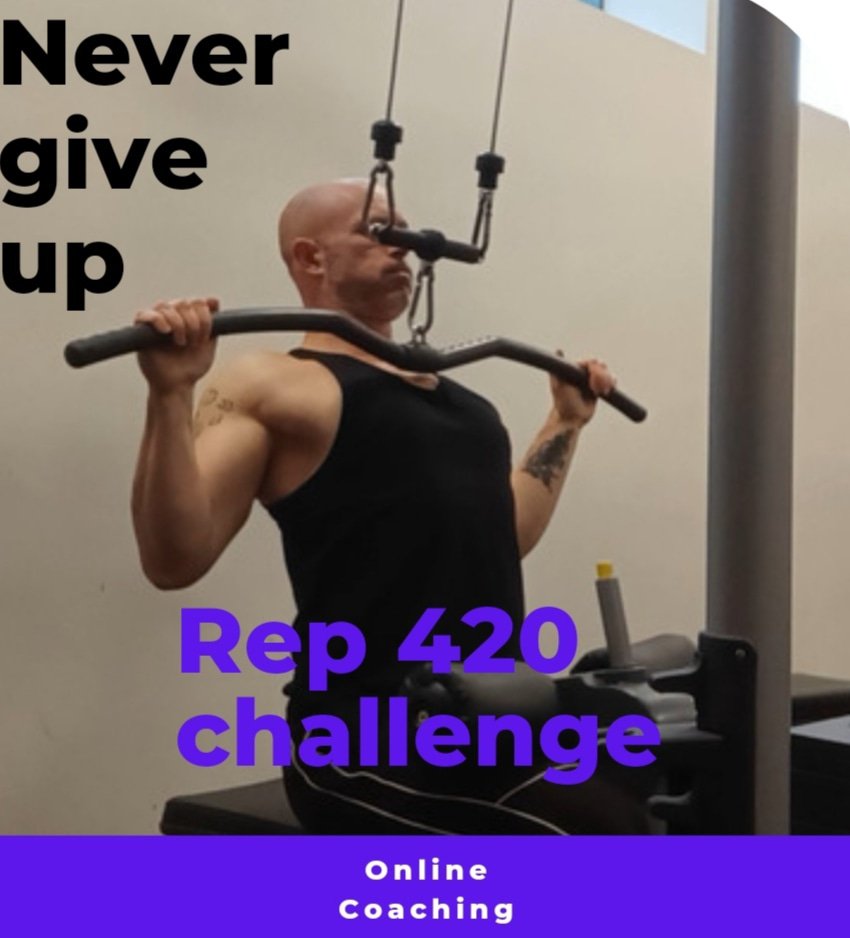
What training a full five days in a row allows me to do is have a definitive day in which I can begin a wind down in the intensity of my workouts. I can’t hammer my body every single day with heavy compounds. Indeed, I believe in my 420 reps workout that I have developed for others so much so that I am doing it myself. This means that once Thursday’s session is over I have completed over 1500 reps. By Friday, my body is telling me that I need a little assistance from machines!

And this is exactly what the resistance machines are perfect for. They provide much more relief for the body and it isn’t just the physical aspect that needs the respite. Neuromuscular Innovation, or more commonly known as the mind-muscle connection, takes its toll on the brain. The thought process of connecting with your target muscle in a bench press scenario is much greater than on a press machine.

Foot positioning, core engagement, time under tension, breathing and the contraction are all crucial components of a bench press. Sure, there’s still the necessary check list to go through on a machine but in no way is it as thorough. Therefore, instead of risking injury with sloppy end of the week technique, I still get to workout without breaking myself.

It does concern me, however, how overused these machines get. I get the impression that lots of gym goers use them because they haven’t been shown how to squat, deadlift, bench press or barbell row. Their inductions usually include a brisk talk through these machines, so why would they use anything else?!

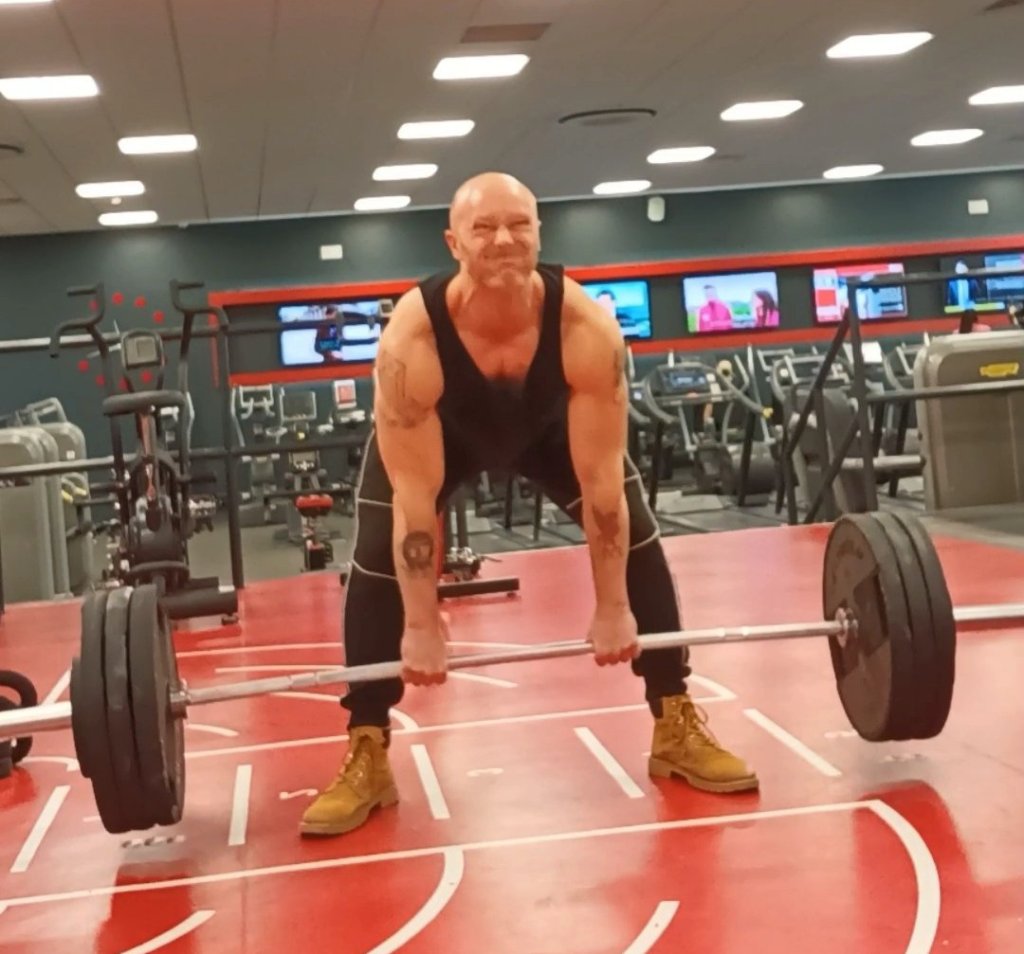
When I did gym inductions I went through deadlift form as a priority. It is a free weight compounds that requires the whole body to move and work together as one. I can analyse the hip extensors and knee flexors of the participant and get an understanding of overall strength and fitness levels. Without it, I would struggle to know what machine or what type of exercises a new gym member should be doing. So I am perplexed as to how the gym staff know. Introducing them to an ab crunch machine is way way off of where most new gym members need to be.

And don’t get me started on an ab crunch machine. An over reliance on a resistance machine can cause injury, but an ab machine can be particularly dangerous. The deep abdominal muscles, together with the back muscles support and protects the spine. I cringe as I see yet another gym member rocking wildly like a wound up toy trying to work their abs. Back pain is the biggest reason for staff sickness in the UK and until we begin to train our lower backs correctly this statistic won’t change.

The Final Word

Resistance machines are a great way to supplement your workouts. A heavy session on the bench or in the dumbbell section takes a lot out of us physically and on the nervous system. Rounding off a session on the machines or cables can be a perfect finish. But we can’t rely on them to reach our goals, be it injury rehabilitation, weight control, muscle gain or movement. If you are completely new to the gym then I would recommend starting in the free weights area with a trainer who knows what they’re doing.

That you for reading this article. If you have any questions on this or any of my practices then do get in touch!

Shay PT.

Our Comfort Zone

Ah, the comfort zone. Has anybody told you to get out of your comfort zone? It’s been said to me many times, usually back in my 20’s some vgdguvidrdddyuhd years ago.

But what is it? And how do you know how to get out of it if you don’t know what it is?!

Your comfort zone is unique to you. Your comfort zone will be an absolute terrible experience to some people. And therefore being out of your comfort zone is a unique experience that belongs to you too.

I can guarantee that there are people in the UK right now who have to get out of their comfort zone by getting out of bed, leaving the house or having to talk to another human being. Perhaps you are one of these people and this resonates with you. You are not alone.

According to a study by mentalhealth.org.uk in 2014 almost 20% of over 16 year olds were showing symptoms of anxiety or depression. With the difficulties many of us have faced in the past couple of years I can’t imagine this statistic improving.

So then, for our mental and physical fitness, to get out of our comfort zone means something very different to each person that I speak to. To some it is lifting a certain weight that they have never lifted before. To others it is running a distance that they haven’t been able to reach before. Or it could be training for an important event that they’ve never competed in before. Maybe it’s taking that first step into the gym or fitness class. But simply buying some trainers or walking boots and taking a walk each day is a massive positive step too.

Walking is just as much of a mood booster as a set of deadlifts. I enjoy both. I enjoy the feeling that I get once it is completed. During physical activities can be tough and testing of course, but I enjoy the rhythm of the repetition of resistance training. When I walk I enjoy gathering my thoughts or sharing ideas with a walking partner. It is therapy.

When I think of the current clutter in my head that is all of the stuff that requires being out of my comfort zone I think of starting my new YouTube channel. Social media can be brutal. But I’m doing it for my next out of my comfort zone challenge, which is becoming a meditation guide. If people don’t know that I exist then I’ll never coach or guide anybody. So I have to be brave in trying something that is very different for me.

And my other fear is ringing my bank to ask why the Sky direct debit has been cancelled. Really, the thought of speaking to my bank sends me into a panic! I can teach a class of 30 people and pretend to be Freddie Mercury in front of a hundred holiday makers in Lanzarote (I might have had a few drinks for that one) but the thought of having to speak to my bank on the phone sends me in a right tizz.

They will ask me for my password. I don’t know what it is! They need my date of birth. I always get tongue tied with that? They’ll need information from me that I know but when they ask me I’ll have no idea at all! My wife keeps on top of all of this stuff, but the Sky payments are in my name.

I know it’ll sound ridiculous to some people, but it’ll strike a chord with others. I’m not the only one who hates official phone calls with strangers.

And that’s why we are all different. I’m nervous about going into the gym every day, yet I’m a PT! How can that be?! I mix it up with a bit of being the Joker and being professional (I’m confident that I know my job, which helps) but it doesn’t stop me from getting butterflies sometimes. The adrenaline keeps me passionate. Maybe it’s when I stop getting nervous that I should be worried.

The final word…

Our comfort zone is one to break free of now and again but only when the time is right for you. And once you are out of it, then it is for you to decide how far you can go. But if you get the small stuff right to begin with it can lead to bigger things. Give it a go. As for me, my little step is to ring my bloody bank this afternoon. Wish me luck!

https://youtube.com/channel/UC_2ukEG1FHIgU2rJEOOYCJA

If you can’t fly…

I’m sorry that I’ve been a little absent from my blogs recently. In all honesty, the last few days have felt a bit hectic. Not an unhappy, miserable sort of hectic. But not a dancing round in the sitting room in my undies listening to Harry Styles kind of hectic either (not that I’ve ever,ever,ever done that. Ever.)

It’s just seemed a 100 miles an hour over the past few days and I’m trying to spin the many plates that I’ve given myself.

I enjoy plate spinning when the plates aren’t crashing. In my circus I would be a decent plate spinner. Some days I’d even be bold enough to unicycle on the tight rope a hundred feet high and still spin the plates. But in the past few days, had the Ringmaster introduced me to the audience I would’ve tripped over my large clown shoes before getting to the stage. Of course, I would’ve gotten straight to my feet, smiled and tooted my big red nose and made the crowd laugh. That’s what I do.

Feeling under the weather on Sunday hasn’t helped where my head is now. I like to keep on top of things and my work doesn’t allow for illness. I stay strong and in control. But it isn’t a weakness to feel ill. It’s just that it rarely happens to me so when it does I feel a bit discombobulated.

My work not only helps me to understand others, but it helps me to understand myself too. When my trainees feel a bit out of sorts I totally get it. I’m not into the ‘no pain, no gain’ attitude to exercise. Sometimes just putting your training shoes on and doing what you can is massive. We’re not always on top of our game. It doesn’t need any great explanation or reasoning. It’s just how it is. Each day we wake up and try again.

It reminds me of a quote by Martin Luther King. He said…

“If you can’t fly then run. If you can’t run then walk. If you can’t walk then crawl. But whatever you do, you have to keep moving.”

You can’t be flying all of the time and when you realize this you can then be pleased with the little steps that you are able to do. When you are ready, you will take off again. Never give up.

My YouTube channel is here if you want to take a look!

https://youtube.com/channel/UC_2ukEG1FHIgU2rJEOOYCJA

Gym Fitness Classes

Gym Classes are an excellent way to introduce yourself to formal exercises, meet new people with similar goals and to plan your fitness routine for consistency. From Stretch classes, Zumba, Spin and Boxercise the mainstream gym have covered it all. And being a Fitness Instructor myself I can see the fantastic benefits of booking onto a regular gym class….but it should come with a warning.

Here are my gripes on classes…

* Gyms that I am aware of are regularly putting on virtual classes. This seems to limit the cost of paying for a live instructor and can run throughout the day. I find this counterproductive from a gym going by the feedback that I receive as many gym members want live instructors and some have moved to other gyms to find them. A trained fitness instructor can manage the pace and intensity of the class and adapt workouts each week to fit the needs of their participants.

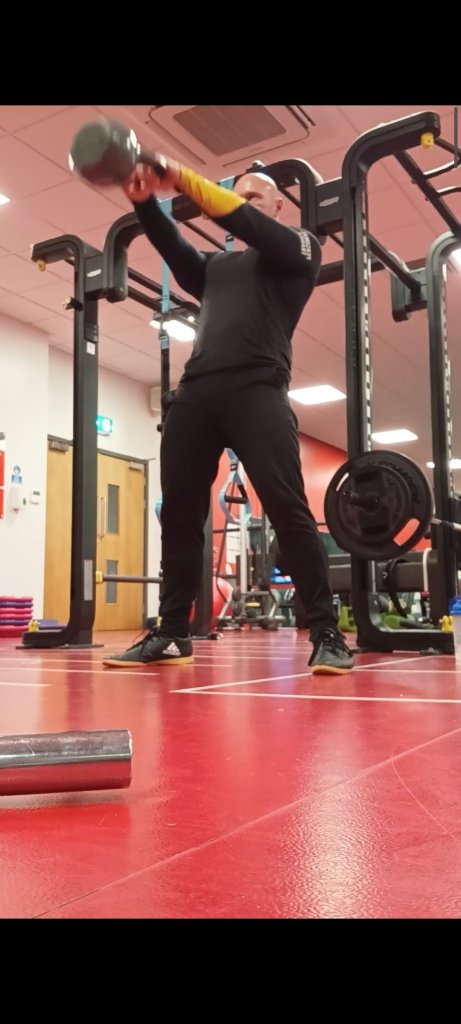
* I see more injuries occur in fitness classes than I do in the gym. An instructor cannot check the form of 30 class members. The classic exercises for poor form are deadlifts, bent over rows and kettlebell swings. In fact kettlebell classes are an injury waiting to happen. When you need to teach hip hinges, breathing and core control to a room full of people who see their half hour class as a way to ‘blast their abs’ or ‘fat burn’ it becomes an impossible task.

* When you think about the titles that they are given, such as those above (abs blast and fat burn are real life class titles) it is very misleading. An abs class once a week won’t get anybody a six pack. An abs class won’t do a great deal for stabilising core muscles. A fat burn class usually consists of fast paced reps that use exercises that require slow, controlled movement to focus on target muscles and avoid injury. Getting these movements right and incorporating them in a fitness programme is essential for all types of fitness goals, but repping out as many deadlifts as you can in 60 seconds won’t. Yes it burns calories, but put your back out and you won’t be burning those calories again until you’ve recovered from your injury.

* Classes can be demoralising for lots of people. They feel inferior compared to those around them. Yet many class goers have been going to the same class for years and might know what to do. If they know the instructor then they will probably know what equipment is used and what exercise is next. They probably even know that the class starts with Rock DJ and finishes on a club version of Castle On The Hill. But new people might feel out of their depth. Which leads me onto my recommendation…

Oh do tell Shay!!

Well, for anyone going to a new gym and are a little apprehensive or have never been to one before I would suggest hiring a good PT (a good one! Not a Poundland special) and learning how to move correctly. Of course I would say that, I’m a PT right?! Yeah but Brian who is reading this at his home in Penikuik won’t be hiring me 1-1 so it’s of no great advantage to me. It is, however, sound advice.

5 sets of ten deadlifts will be far more important to a gym goers goals than a class when they first start out on their journey. When to breath, how to engage the core, foot placement, hip hinge, strength and stamina building, morale boosting and goal setting are all of things that will be learnt fairly early on in regular PT sessions. None of which are taught with any great depth (if at all) by Mr Motivator at the front of the class whooping and jumping like a Duracell Bunny on speed.

The Journey should begin on the gym floor, not collapsing on a class floor.

Thanks for reading! If you enjoy my blogs then check out some of the other stuff too. See you soon!