Do You Need To Deload?

What is a Deload, do you need to do it and if so, when?!

A Deload is a period of time that is structured within a resistance programme to either stop your regular training routine or lower your weights considerably. During your programming, you will lift weights at around 65-80% to 90-100% of a 1 rep max depending on your phase. During a Deload this can be reduced to below 50%. Other activities might be introduced such as walking, light running, cycling or swimming. It is sometimes known as a Deload Week, however this can be for a longer period if you need to.
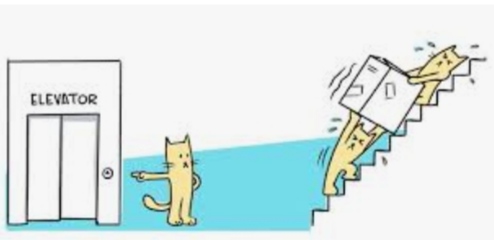
Not everyone needs to do it. If you think of the average gym goer with muscle hypertrophy and weight maintenance goals, they will encounter the Christmas period, illness, vacations and other commitments that take them away from their training programme. In essence, life provides most people with a Deload whether they want or need one. But once their unforeseen Deload has ended, I would recommend not going straight into the training that they had prior to their time off. It might take a few sessions to get back to where they left it.

A clever programme designer, however, can plan the year to allow for certain events such as vacations. This is known as microcycling, mesocycling and macrocycling. Each week, month, year and beyond can be considered. For the average gym goer I would stick to a 4 month period though. Years of planning is generally used for athletes, Olympians and bodybuilders.

My own programming consists of hypertrophy (4-6 weeks), strength (4weeks), power (4 weeks), peak performance (4 weeks) and Deload (2 weeks). This has been designed to end during the warmer months when I tend to eat less naturally and I can feel my best in a T-shirt. Hitting my peak during the winter seems a little pointless when aesthetics plays a part in my goals. I eat more and wear big coats when it’s cold!
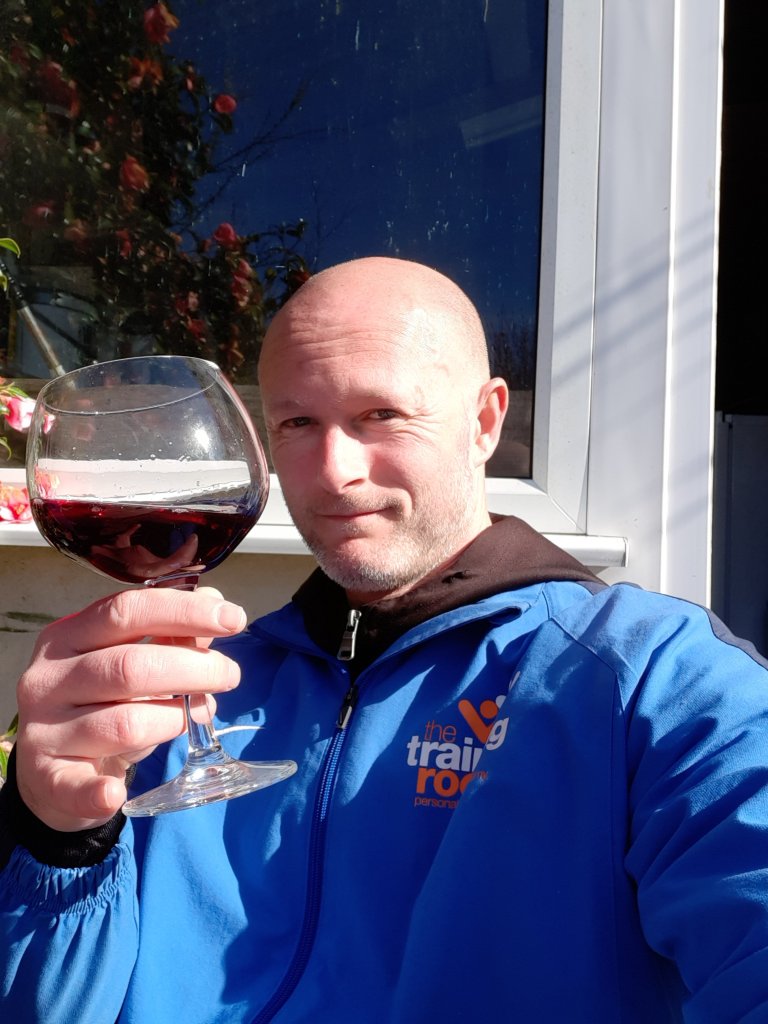
Deload or not, you might find me having a glass of wine

During the peak performance period you can hybrid your workouts to meet your Deload needs too. This would entail scaling the weights back and focussing more on your form in certain sessions. Regression, as it is known, allows your body to recover before hitting it again through beginning the programming process again. The muscles, so the research suggests, adapt and grow due to the new load subscribed.

So to avoid injury and to strategically schedule a period of regression might be something to consider for your hypertrophy goals.
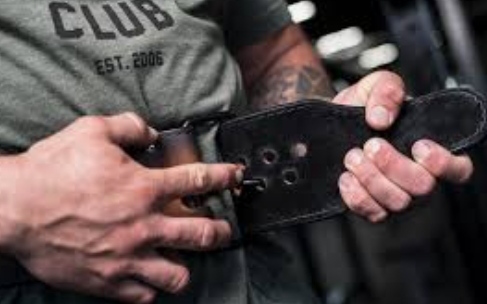
If You Walk With A Stick You Develop A Limp

I have a question.

When you play football, run, bend down to pick your kids up, carry shopping bags, have sex, decorate your home or do the gardening do you wear a weightlifting belt?

I think I might know your answer but I can tell you that I don’t. So why would I wear a belt in the gym? In my opinion, only powerlifters who are competing in lifting heavier than their opponent or attempting a PB really need to wear a belt. And even then, they won’t need to wear it for every minute of every training session.

So why do I see people in the gym squeezing the life out of themselves like they’re fitting into an 18th century corset?

Seeing as this was one of my mistakes in the gym before I knew what I was doing I might be able to answer.

* I felt part of a group of men in the weights section who thought they were the dogs bollocks. The gym bro.

* I had severe back pain so I wore a belt so that I could lift far too heavy weight and damage my back further.

* I felt like a wrestler walking onto the gym floor, buckled up, gloves on, straps on knees and shoulders and heavy metal playing in the ear phones and my hood over my head. More like the Ultimate Prat than the Ultimate Warrior.

* I wanted to stabilise my core. Rather than actually work on my core to become stronger, I wanted a belt to do it for me.

Absolutely, a power lifter will need to work on their core, but when their success can depend on just one almighty lift that can cause serious injury in the moment or in their future lives then a belt can give them just enough stability to get that lift out. It is their sport. They need a belt.

But I’m not convinced the regular gym goer does. They can do more harm and cause more regression than good.

It’s like using a hiking stick when you take the dog to the grass verge for it’s morning poo. You don’t need it.

The average gym goer can learn so much more from their own strength, technique, movement, core and general fitness if they were to ditch the gym regalia. The mind to muscle can’t develop if it needs to break through a weightlifting belt. Over use the belt and we are in danger of under using our core.

You might find that you deadlift and squat less without the belt, but unless you are training to be in Strongman competition or a Power lifter, you could see much more progress in your over all fitness experience.

Workout Supplements?

I used to go to the likes of Holland & Barrets and gym bro supplement shops regularly. The mindset of many gyms that I frequented was ‘what is the point of putting in the hard work without supplementing your gainz?!’

It became just as important to me to take the pre workout, creatine, taurine, ZMA, BCAA and protein powder as it was to do my workout. With a short spell of injecting dianobol too, I could be found crawling the gym ceiling more often than achieving anything on the gym floor. We live and learn.

And I guess a moment of change for me was meeting my wife. Not only did she clean up my lifestyle but she could cook. And I’m talking using ingredients that I didn’t even know existed! Ingredients that had all of the natural benefits of what I was trying to find from a capsule or a powder. Fifteen years on and with me exploring my own culinary skills it has been life changing to find that I don’t need all of the supplements in my diet. Eating food will always be the best way to fuel my body.

Back in the gym floor rather than the ceiling.

However, I wouldn’t discredit the supplements I listed above as they can be useful tools depending on your goals and your training period. You need to know how and when to take them and importantly you must realise that there is still the hard work to do in the gym.

Today I was asked twice about protein powder and if it is worth them taking it. Its a common question in my job and yet my answer cannot always be the same. It depends on the person asking. But I have a general rule in protein shakes. Only drink it if you have been unable to eat a decent meal with good a portion of protein. Perhaps you got stuck at work or you’d prefer not to pay a tenner for a dry sandwich at a motorway garage. Then it’s a good time to open up your car boot with your emergency protein powder and shaker bottle inside.

A protein drink shouldn’t be shoe horned into a diet unless you want to gain size. Then you might want to add the calories. Sure, there are low calorie versions, but if you’re being careful with your calories then adding any extra calories from a protein shake seems pointless. Surely when you limit your daily calories your meals become even more important. You need the nutrients, the vitamins and the almost full feeling from real food, not a drink.

For anybody going into training in the gym properly then I would advise a good training program and a sensible nutritional approach. Both of which escaped me for years and is why I became desperate with my supplements hoping for something magical to happen.

At 43 my drive comes from getting stronger and remaining ‘in good shape’. This would see me well as I get older. And the only things that can keep me on the right path is consistent training and nutrition. Not pills and potions.

So be cautious about your supplementation. Speak to a fit pro who you know and trust, I find this much more helpful than asking Gloria from Holland & Barrets. And the gym bro supplement shops are likely to sell you any crap anyway, especially if you come across as a novice.

Excess Post-Exercise Oxygen Consumption EPOC

When we have performed strenuous activity in our exercise routines we might feel tired and our muscles can become sore (delayed onset of muscle soreness DOMS). I want to describe in layman’s terms what is happening to your body and why it is important to your goals.

You might have heard the expressions ‘after burn’ or ‘oxygen debt’. These both describe the state in which your body goes through after training. Depending on how intense your training was this afterburn can last 48 hours and maybe even more. During your recovery, your muscles requires oxygen due to the oxygen used during your workout.

The recovery includes hormone balance, cell repair and the breaking down of fat stores to act as fuel. This is what is known as Excess Post-Exercise Oxygen Consumption EPOC.

Muhammed chasing the after burn

Many recent studies show that anaerobic exercise or resistance training creates greater EPOC, which is what burns calories after a workout, whilst aerobic exercise burns more calories during the workout.

This is thought to be because of the amount of muscle used during resistance training especially full body, push/pull or high intensity interval training HIIT programs.

When I design a programme for a trainee, it is important to find the balance between what the person’s goal is, what they enjoy doing and what the best course of action is. But what seems to be a constant based on the research done in the past 30 years tells me that every goal needs a certain amount of residence training.

Expect most of my Programming to be resistance training unless you run marathons.

And for the average person where time plays an important factor in their lives, the quickest route to achieving a successful programme plan is through scheduling weight training.

So why should we be very careful when judging our successes in the gym solely on the scales?

Weight training causes micro tears to the muscle and inflammation. Your body acts to heal this process by retaining water and using glycogen to fuel. Water and glycogen adds weight to your scales.

However, over time your body gets used to the stresses of your resistance routine and realises that it no longer needs to retain the amount of water that is has and so reduces it’s water retention, resulting in weight loss.

But, but, but! If you have a progressive programme you will see a slight fluctuation due to new stresses being put onto your body due to progressive overload, which is something I have documented many times.

So weight gain during resistance training, unless you dramatically change your diet, has nothing to do with how much fat you have on your body (and I have to assume that it is fat that you want to lose in terms of weight loss, not a leg).

The science behind the process can be a bit much for us to understand sometimes. Especially as fad ‘experts’ come along and confuse us even further! But if you are doing it correctly (a trusted professional having your back usually helps) then we must continue to have faith in the process.

I hope that this clears a few bits up. Now off you go, let’s get some deadlifts in!

Nach Dem Spiel Ist Vor Dem Spiel (After The Game Is Before The Game)

The 52k dumbbells sit in the same place in the gym on the rack each day. Apart from the Outhouse, the brave, the stupid or the mixture of the three the 52k dumbbells rarely get picked up to be pressed, pulled or curled.

I’m not in the back street bodybuilder gym. Had these 52’s been in there I’m sure they’d be getting more attention than the occasional tickle with a feather duster from the gym staff. I’m in a mainstream chain gym. The type that pretends to serve it’s members by pulling down a screen and playing a recording of professional dancers from Australia and calling it a Tone Class. But credit where credit is due, the gym area is very good and I’ve been to plenty of gyms where the dumbbell weight doesn’t reach 52k.

At the beginning of this year I began my Hypertrophy Programme. The past two years have been difficult to consistently follow a proper periodized programme. It’s been a bit stop starty with lockdowns, gym closures and my own encounter with Covid. Finally, I’m finding some consistency to my training.

Now, in early March, my training and nutrition has exceeded such expectations that a one rep max with those abandoned 52k dumbbells are a possibility. Two weeks into my strength phase and I’m pushing and lifting heavier and better than ever. Once my Power phase begins the 1-3 rep max will be my focus. Physically I am training to give my body the best chance. Mentally I hope I am ready for it. A Power phase can cause incredible fatigue both physically and mentally and I need to get it right to make the months leading up to it feel worth the time and effort. I know that any time in the gym is worth it, but when fatigue kicks in and the psychological doubts begin, the positives seem harder to come by.

Getting stronger, game by game.

But I’m strong. Physically and mentally I have trained for these moments. Sometimes you win, sometimes you fail. But it’s how you go again that matters. I know this. And my success in my latest programme isn’t one that I will celebrate just yet.

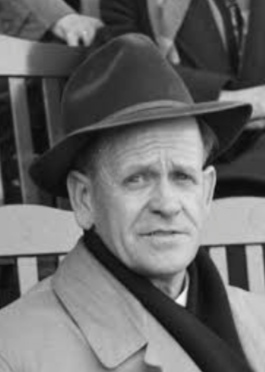
Sepp Herberger was a very successful soccer coach in the early 20th Century. He said”, Nach dem spiel ist vor dem spiel.” Translated as, “After the game is before the game”.

Sepp Herberger

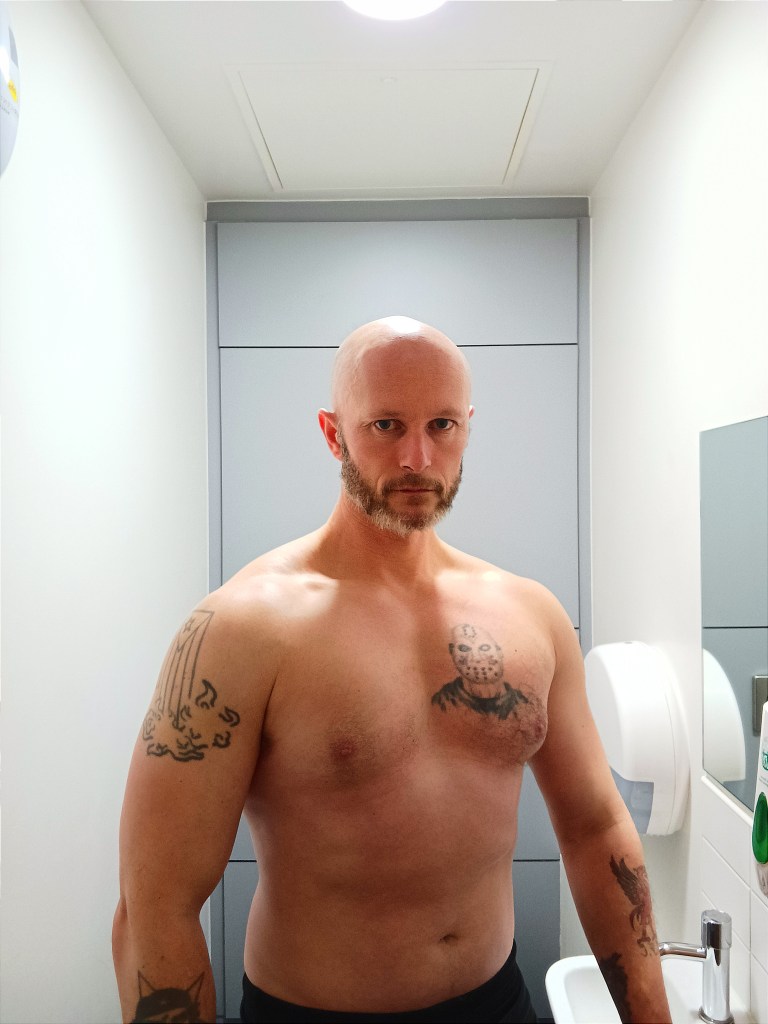
One rep, set, session or phase is always followed by another one. There’s no time to admire your success for too long as you simply have to go again anyway. Begin the focus all over again. Battered and bruised maybe, but there’s another game to prepare for. A quick obligatory progression photo in the gym loo is all I have time for. The 52s are waiting.

But you might be wondering what my great obsession is with my current program or indeed these 52k dumbbells. Why is it so important?

At 43 years of age, if I am able to record a 52k dumbbell press, I will have achieved a physical feat that my 20 or 30 year old self could not do. At 43 my bones are meant to be getting thinner and weaker. My body is supposed to be producing less testosterone. My body, says science, is in regression.

Well, I trust science. My career is based on science and it’s research. But I trust myself even more. I am my own research and, despite what researchers have tested on a hundred men in California, I intend keeping on defying science by testing myself in a gym in Scarborough.

There is no exact science.

And my goal of becoming fitter and stronger than ever before is not an attempt to prolong my life. Christ! Between pandemics, wars and global warming I’ll be fine with not overstaying my welcome. But for as long as I’m at this party I want to have fun and be as happy as I can be and the only true way I can ensure that is by getting stronger, even during the stage of my life that I am statistically expected to get weaker.

But I don’t accept being weak or weakened by age. The Grimm Reaper will catch me one day, but age can fuck right off.

The game isn’t up for me. As long as I continue through my phases of training and I keep getting stronger, this game is just the beginning.

The Greatest Teacher, Failure Is.

Am I going to start getting hate mail if I admitted to you that I have never seen a Star Wars movie? Add James Bond, Lord Of The Rings, Game Of Thrones and Harry Potter and you have the full set of movies or series that the rest of the world seem to have watched that I haven’t. I fear a perma ban imminent.

My kids, however, love Star Wars. But not enough to have an attention span to watch a full movie. Hence my ability to boast such a statistic.

My youngest loves Baby Yoda. He has a Baby Yoda teddy. I know that he is a character in Star Wars but I’m not sure where Baby Yoda came from. Anyway, Yoda seems pretty cool.

And I know from the amount of books and annuals that my boys have that Yoda has a few wise words to give. My favourite happens to be ‘The Greatest Teacher, Failure Is’.

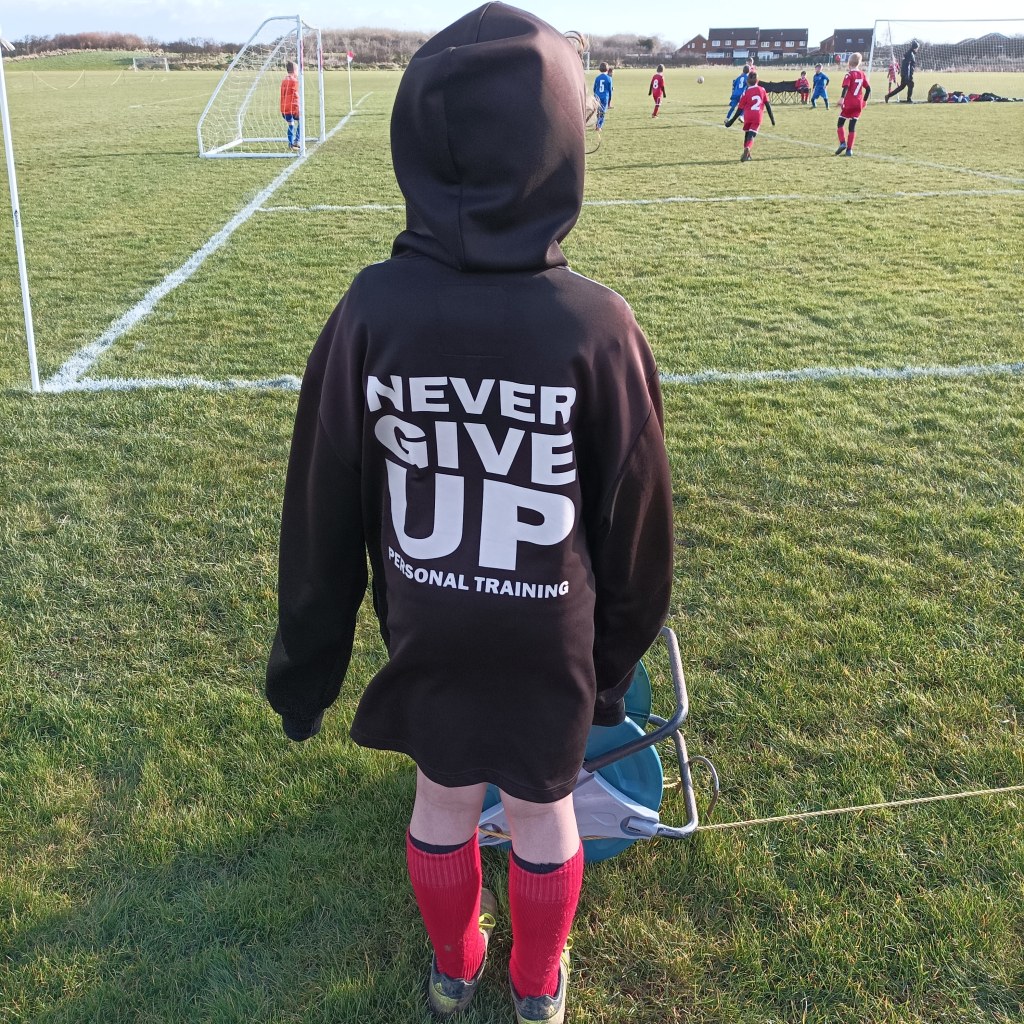
Failure can teach us so much about ourselves. How we react from it can mould our personalities. I might be the only dad on the touchline who wants his kid’s team to lose sometimes. They are by far the most superior team in the under 8’s league so I know how my eldest reacts through victory, but I like to see his response to defeat. He will realise as he grows up that there are far more disappointments in life than there are successes. So having the emotional grounding to deal with that will help him embrace the victories.

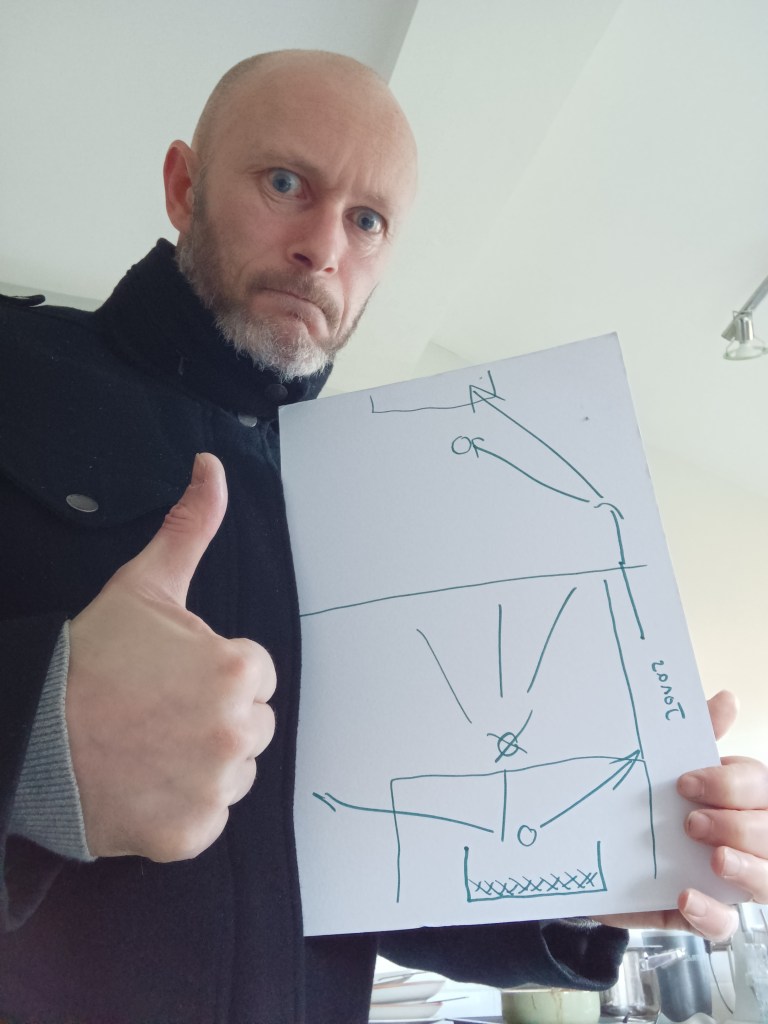
Talking tactics for my lads next match

You can only become a good winner if you are first a good loser.

Competition was always something that I excelled in as a kid, at least in a sporting context. I was very average at my academic work and my motivation at school was a case of doing what I had to until the bell rang. In the football field however, I’d give my all. And it was the same in every sport. These days I only run for a bus or if I am chased by a zombie. I tend to miss a lot of buses and I’m concerned about my ability to survive a zombie holocaust if it would ever happen. Yet at school I was a champion runner. I wanted to win, but even then, I realized that failure was a part of the game. It hurt, but it made me better at my sport. Any sport.

Due to sciatica affecting my performances and my recovery I stopped playing many sports. Contact sport were out of the question. I was a keen kickboxer in my early twenties but kicking became painful as the sharp shooting pain ran down my leg. My opponents never hurt me but my injuries did.

Before my passion for sports disappeared altogether and the pull of sex, drugs and rock ‘n’ roll totally gripped me I had to make a decision. How could I still feel a part of a sport and experience success and failure? I took up darts, snooker and chess but they could all be played whilst eating a pizza and drinking beer.

I was introduced to the gym by a friend at a vital time in my life. For me, the gym is my sport now. It cured my injuries as I learned the correct form. And I could have my buzz of failure and success again. There are so many failures involved with a fitness regime. Much much more that there are successes. In fact, blink and you might miss the success. In the gym I climb a hill just to discover a bigger hill. And I like that. Sport doesn’t have to mean me competing against an opponent, it can mean competing against myself.

Today I will compete against my yesterday’s self. Sometimes I win and sometimes I lose. Either way, I will have been taught something.

Perhaps I should watch Star Wars just for Yoda. He seems like a real dude. But that Vader bloke? He needs to take a leaf out of my book, quit the ciggies and get to the gym.

Sport

Watching the rise and fall of Russian figure skater Kamila Valieva who, at 15, has been embroiled in a doping scandal leading to disappointing performances at the Winter Olympics has been heartbreaking to watch.

It just looks to me that so many adults around her have let her down. And it makes me wonder if 15 is too young for that level of competition in the first place.

But sport, at any level and any age, can be brutal to our mental health. I worry about my kids entering a sport. Already my eight year old, being extremely talented at football, is creating an interest from local scouts. But when he got a chance to shine at a Leeds Utd trial he froze. The game, I can only imagine, had been taken from being fun for him to being judged on his performance.

Even at an under 8’s sport, we begin to judge the ability of it’s participants. And if a kid is lucky or good enough to join an academy or a professional club, the statistics of them getting anywhere near the first team of a Premier League club is virtually zero. In fact a kid in an academy right now has less than 1% chance of making even non league level when they’re old enough. So as much as I’ll encourage my kid’s sporting activities, I’ll be making sure that they do their academic homework!

My son watches on

One thing that the average person seems to forget is that their training regime is also a sport. The gym is the arena. But who then are our opponents? Every sport is a competition, right?

Each session needs to be carefully drawn out to get the best results. Pep Guardiolo won’t send his team onto the pitch without a plan of action. A gym goer shouldn’t enter the gym without some sort of a plan either.

But one thing that we do know is that whatever the plan might be you must enjoy doing it. I can’t imagine Kamila Valieva enjoying the past week, just like my 8 year old didn’t enjoy traveling 2 hours to play with other kids he didn’t know. If somebody told me to run an hour on the treadmill every day I would quit the gym. It needs to be enjoyed.

When somebody tells me that their goal is to lose weight I know how to plan this for them and within 5 minutes of talking to them I will know what they will enjoy doing to achieve it. A macro goal such as weight loss is as good as a football coach telling their players that they need to kick a ball. It is how to kick it, where to kick it and who to kick it to that needs to be executed with a process and detailed planning.

Every sport, even the gym sessions, need tactics.

So who is the competition of this sport?

Is it the 25 year old dude who benches twice what you do?

Is it the person on the treadmill that is running faster than you?

No.

The competition is yesterday’s you. And figuring out how to out perform your yesterday’s you is your victory today.

And not all victories come in the form of a PB lift or a run. If you are smiling more today than you did yesterday then you are seriously winning.

So keep on getting those little victories, because it’s the little ones that will see you win gold one day.

The Concorde Project

My laptop is old. When I load it up it’s whirring and it’s wheezing makes a supersonic jet plane taking off sound quiet. And still every night I crank the old thing up and do my work. Eventually. It takes a while.

The other night I was obviously quite animated as I waited for the screen to appear. It was loading, I’m sure of that. Mrs Baggins at number 44 could have told me that.

The noise. My tapping foot. The occasional frustrated looks I gave towards my wife as she turned the volume up on Corrie. 20 minutes. 30 minutes. I waited.

Eventually my wife said,’The boys have got their Chrome book that you can use to do your work.’

I knew that. I knew it before I opened the laptop up that evening and I’ve know it since Christmas day when Santa had left them it. But I have fallen for an old psychological trick. And even though I know it, I’m sure to be winding up my old cronk of a machine instead of their new sparkly Chrome book tonight. And I probably will until it gulps it’s last bellowing breath.

I have invested so much time on my laptop which has my emails, passwords, data, downloads, files and pictures on there that I am refusing to let go, even though I know that this can be created and transferred onto a newer model. And when my wife said that I could use the Chrome book, I didn’t want to feel like I had lost 40 minutes of my life just to start again on a different device so I stubbornly carried on.

Economists call this The Sunk Cost fallacy. Because of what has already been invested into a project, one fails to stop and cut ones losses and proceeds regardless wasting more money. And in my case energy and time.

In 1956 the UK and France decided to build a supersonic jet. They called it the Concorde Project. After hundreds of millions of tax payers money and wasted time and effort they eventually built The Concorde. They knew long before it finally took off in 1973 that they would never recover their losses. It became one of the biggest financial misadventures of the 20th Century. Yet they continued to build it. Its final flight was in 2013 and remained millions of pounds in debt.

We all fall for this trap. We remain in jobs that we are undervalued in because it is what we have done for years. We stay in relationships that are toxic because we become numb to it. We live in a town that we hate because our parents and grandparents lived there and it’s where our crappy jobs are and our toxic ‘friends’ are. We have invested so much time, energy and money into something so much so that we fear just letting it go.

And one thing that I see, day upon day, are gym goers falling into the same fallacy. Burt sits on the Arm Pedal bike each day because he has done it for the past 3 years. Terry rocks in the ab machine each day and why? You’ve guessed it, he’s done it for years. He has invested years in getting a six pack. It won’t happen on that machine but if I can be stubborn enough to crank my machine up every night and governments can be wasteful enough to crank their machine up why can’t Terry sit on his machine?!

When we invest so heavily in something, we find it difficult to let go. Even when we know it is wrong, wasteful, dangerous or counter productive. We will spend hours in the gym each week doing the same thing as we were doing 5 years ago. The same class. Same weights. Same reps. Same machines.

I can offer an alternative to the gym goer, much like my wife offered an alternative to my failing laptop, but the sunk cost fallacy is a psychological burden for even the most determined and logical of people. I can get Burt where he wants to be in 6 months, but he’ll still be arm pedalling in 6 years. And he’s probably been conditioned to believe that it will work.

Why?

Because just like my laptop tells me to ‘wait one moment’…

And like the UK and French governments were told by the Supersonic Aircraft Committee that they would ‘revolutionize’ how we fly…

Burt was probably told by a professional to sit on that and pedal for an hour while they took his money and did fuck all.

And because of the time and effort he has already wasted, there’s no chance he’s giving up now.

FAQ’s

Why do you say fat loss instead of weight loss?

We can lose weight by drinking less fluid, going to the toilet more, vomiting our food, chopping our arms off or not eating at all. Losing fat and monitoring your fat body levels is a process that is sustainable for life by eating and exercising correctly. I sometimes use weight loss because it is universally understood by all of us that are influenced by media.

Why is programming your fitness so important?

Fitness regime’s get stagnant. Before we know it we have spent the past year lifting the same weights and running the same distance. Not only does it get boring, but your body stops responding to it. New challenges need to be constructed and developed over time.

How often do you train?

5x a week lasting from 45 minutes a session to 2 hours. It depends on how much time I have between training my clients and family commitments. I don’t train on weekends as this seems like a good time for my body to rest and have precious family time

Why do you train?

For my mental health, to feel good about myself, accomplishment, mindset and focus for other aspects of my life and I want to be able to remain active and independent in later life.

But we’re all going to die anyway, why be so obsessed about your fitness?

That’s like saying I’m going to die anyway so why obsess about eating. I eat because it keeps me alive and it makes me feel good. Same as training. I might get cancer or get hit by a bus and die tomorrow. I want a 170k PB deadlift before that happens and I’ll want a Donner kebab with onions and chilli sauce with a side portion of chips and a glass of Merlot too. 

What gets you out of bed on a morning?

The thought of a 170k PB deadlift, a Donner kebab with onions and chilli sauce with a side portion of chips and a glass of Merlot (and my wife, kids and work!)

A Short Update…

Little did I know that this time two years ago I would be about to lose my sanctuary (the gym), I would have to fight to keep hold of my business, I would be home schooling my kids, our bank balance and savings would all but disappear and I would be told that if I left my home for more than an hour at a time I could catch a killer desease.

No. It’s not from a Horror movie. In the UK, Covid lockdown restrictions began in late March.

Just before it happened my business as a PT was strong with happy trainees and new people wanting to join. My own training was pretty good and I had a nutrition plan that I was sticking to. My wife was ready to begin a new business and my kids were thriving at school and in extra curricular activities. Our dream of taking our business ideas to Southern France was taking shape.

But March 2020 happened. Trust me this isnt a sob story. My family and friends have stayed healthy and we’ve all rode the waves of two years of restrictions and uncertainties. We’re lucky.

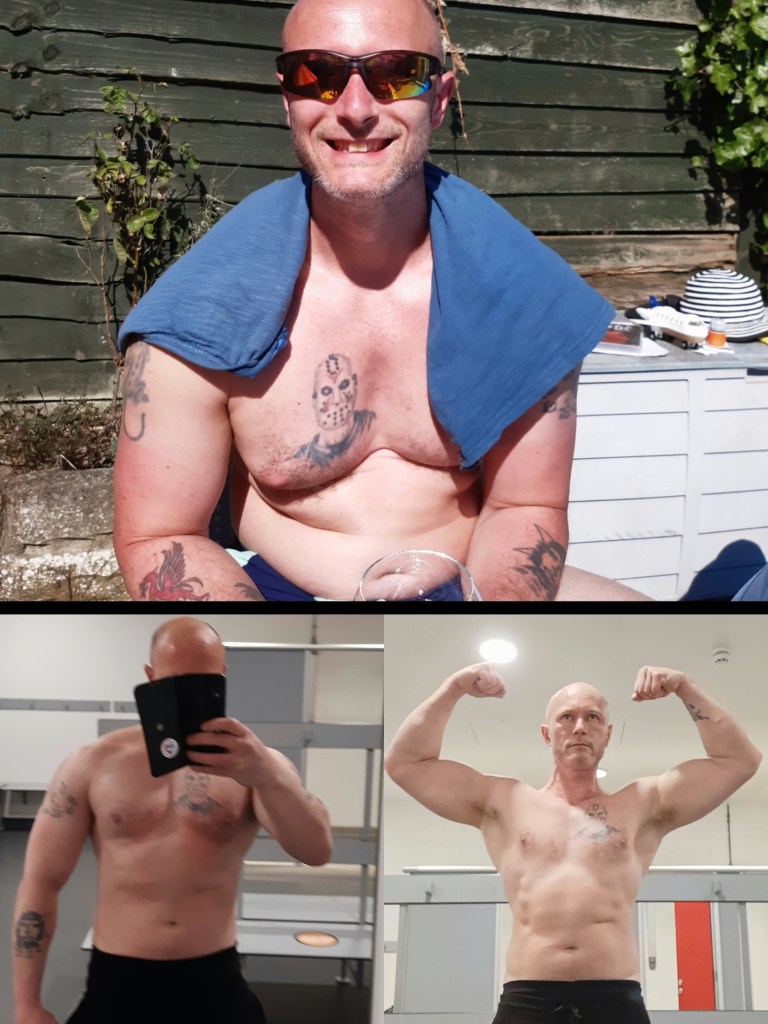
Below is an illustration of how my fitness journey went over the past two years. Top is from May 2020. The sun was shining. I couldn’t leave the house. The BBQ was cranked up daily and a cold beer or G&T time seemed to get earlier by the day. It was boring and stressful. My fitness suffered. Apart from a few token squats as I tried to encourage my kids to exercise to Joe Wicks I didn’t train myself.

Bottom left is from a year later. So three lockdowns (and gym closures) later. Of course I was keen to train when the gym managed to be open and I could go to work but my diet had suffered and I was still trying to cut my alcohol intake down.

Bottom right is from today, Feb 2022. My Programming and nutritioning has been strict for a few months now and alcohol is limited to weekends. Even then I’ve done a dry October and a dry January and, if I’m being honest, I don’t miss it when I don’t drink. Maybe my habit was out of stress?

My journey is far from finished. Indeed, my journey will never end! I’m not looking for a destination.

So there you go, a short update about me, my last two years and my journey so far. Onwards and upwards so they say!