A question I am often asked in the gym is how often do I train. I answered that I currently train 3 to 4 days a week and the lady was shocked that it wasn’t more.
My current lifestyle does not enable me to train myself in the gym as much as it used to. I have taken on a couple of different projects that have taken my time away from the gym, therefore when I do get the time it has to be time well spent.
Fortunately, even for busy lifestyles, training programmes can be created to fit into tight schedules. You just need to identify your goals and know what to do to achieve more ‘bang for your buck’. And unless it has been a seasoned athlete or bodybuilder in the gym I have never seen anybody execute this time management correctly without a good PT who will offer either 1-1 or programming.
It is often said that as long as you are moving in the gym you are doing something positive. Well, I have to disagree. I find it a cop out and a disservice to ourselves to have this attitude. Not only are we not going to achieve the best results in the best time, it can result in injury and a lack of motivation.
Moving is great. Going for walks and staying as active as possible doing sports you enjoy is very important. But once you are in the gym with a specific goal, it is a different game altogether.
In the last couple of years I’ve personally seen a big difference in the sort of person that now requires personal training. And this issue relates to a shift in lifestyle brought on by our time in lockdown. With gyms closing, we had to be inventive with how we exercised. During this time, many people felt that they either no longer needed a gym or that they didn’t need any help once they were in the gym. In fact, due to social distancing, the gym I train at cancelled inductions for new members and they aren’t mandatory anymore to this day.
During lockdown, we became self proclaimed professional bread makers, scientists, content creators, politicians and personal trainers.
I’m seeing the fall out of that in the gym now. Most people that approach me are asking how to fix injuries. Here are the most common examples…
Running became very popular over lockdown. But the correct footwear is vital if you are to run frequently. It can also create muscular imbalances and an overuse of certain muscle groups. Joints are also under pressure from the repetitive impact with the ground. Relying too heavily on running as your choice of exercise without the right precautions can also cause oxidative stress on the body, which will have a negative effect on your goals.

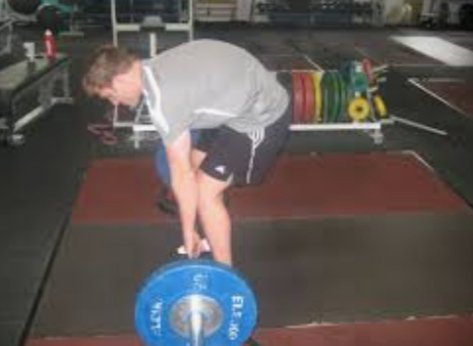
Home workouts became a staple for those wanting to continue their hypertrophy goals. Kettlebells and dumbbells are relatively cheap to buy at shops like Lidl and Aldi, who often stock them in their middle isles. But they don’t come with instructions. I have always been an advocate of the home workout, but it still has to be done correctly to get results and avoid injury. Lifting the wrong weights with the wrong equipment can easily do this. And a bench is useful. Sitting on the edge of your sofa to perform an overhead dumbbell press offers no protection to your spine. If repeated often enough, back pain will occur eventually. And deadlifts, bent over rows, kettlebell swing and squats are common exercises to get wrong and cause injury. Not a day goes by in the gym where I don’t wince at a deadlift technique. If this is gym technique, what are their home workouts looking like?
Personally, even if I’d looked up how to fix my car on YouTube and I gave it a go, if I were knackering up my car I would see a good mechanic. I need to get to work and get to social events. I can’t afford to go too long with my car being out of action. I have to swallow my pride and see a professional.
Now change the above statement from car to body and replace mechanic with personal trainer. You get the idea.
Joining a gym or embarking on any fitness goal doesn’t have to be 7 days a week, intense, gruelling or time consuming. But you do need to know how to use the time that you do have productively and safely.
Nike was almost right with their ‘Just Do It’ tag line. Mine is ‘Just Do It, But Do It Correctly.’
 Never Give Up PT