I don’t want to bog you down with the diet conversation too much now. I’ve been blogging for over a year and a lot of my earlier content was about different diets, a calorie deficit and weight maintenance and seeing as the science on these subjects hasn’t changed in that time I don’t feel the need to repeat it. You can always look back in my posts to find the relevant reads for you.
But, especially at this time of year, I get lots of people asking me what the best diet is for a new year’s resolution or how to stick to a diet during the Christmas period.
Bearing in mind that I’m now living in a country where their bitoque dishes come with rice and excessive amounts of chips on the same plate (carbtastic!) and the best pastel de natas for a little sobremesa treat, I’m also keen to find that happy foodie head place where I can still meet weight maintenance goals and enjoy my meals.
Enter The 20%
I, like many others that I speak to, will say things like…
“I’ve quit smoking…
I’ve cut down on alcohol…
I’ve got kids/work/family/friends who depend on me and I get stressed…
I don’t need to train for a marathon/Olympics…
I just want to be fitter, healthier, stronger and happier.
Why can’t I just enjoy a freakin’ pizza if I want one?!!”
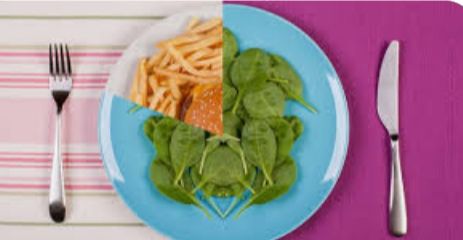
Well, here’s the thing. We can. We can have pizza, a burger, an extra Yorkshire pud on our Christmas dinner plate. But we need to stick to one rough bit of math. If we can consume 20% of the food and drink that are considered non-nutritional, then for the most of us we will be in a good weight maintenance place. And if the other 80% of the food is full of vitamins, proteins and nutrients, then there’s a good chance of weight reduction.
Let’s take the traditional Christmas lunch as an example. Turkey breast is a protein monster coming in at about 30g in a serving. And the vegetables…sprouts have a great fibre content with 8g per serving. Carrots promote bone health with high calcium and vitamin k content. Red cabbage reduces inflammation. Parsnips are full of vitamin C and can help regulate blood pressure.
Then there’s the potatoes. You can’t have a Christmas dinner without a few roasties. Rich in iron, they can improve digestion. So even if we add the pigs in blankets and Yorkshire pudding, we can safely say that we’re in the 80% zone for highly nutritious food. Leaving us with a good 20% to play with. Heck! We could even add a pate starter and a pudding as long as we keep to sensible portions.
But Christmas time is tricky for other reasons. The actual Christmas dinner is not the problem. The tub of celebrations, the nibbles and the Irish cream, now there’s the problem!
We can, however, still be indulgent. We can eat some chocolates and not the whole tub or have a few alcoholic drinks without drinking the bar dry.
Even on a day of celebration, we should still stick to 20% of non-nutritional drinks. Water, coffee, tea, juice, milk will all be your friend if you plan to have a drink to get tiddly and you’ll be grateful for the 80% of positive fluids by the next morning.
The Bottom Line
Whether it’s the festive period or not, every day you should be thinking about what positive, nutritional food you could have with your next meal. But omitting everything else that you might enjoy is often a counter productive practice, where you just end up resenting the process and being miserable. And sooner or later, you quit the process and start right back at the beginning…anxious with no idea where to turn.
Be mindful about the nutrition that you put into your body, but don’t cut out the other stuff entirely. Think 20%. That 20% might just keep you on track.






















 Never Give Up PT