A question I get asked lots of times is whether we actually need three square meals or not. And then the convo often goes into what those meals should consist of for weight loss.
There is no one set answer to this question, of course. There never is! And that can be frustrating when you have goals set around your weight and your eating habits. You want answers. You need help.
Before writing, I researched a number of respectable websites that gave advice on meals and mealtimes and they all had different approaches based on some study or other. They all have good intentions and they’re all correct in their own ways, but they all admit the same things in their summary…it all depends on each individual.
Hire A Professional
So I would always advise you to talk to a professional about your goals as a first stop. A good nutritionist or personal trainer will want to know your lifestyle and habits. From there they can work with you in your weight goals. But beware of quacks. A charlatan will write you a meal plan without getting to know you. Basically, it’s a copy and paste job. They’ll do the same meal plan for every poor sod that comes to them for help. And the alarm bells should start ringing if their idea of a meal plan is written on a piece of A4. It’s not professional and it might as well be scribbled on the back of a fag packet. Same with a workout program.
Why Three Square Meals?
Now, I haven’t got the studies of the University of Ohio or Murcia, but I do have ten years of successfully guiding people to healthier eating habits behind me. And I have found that the three square meals a day tradition isn’t necessarily the best way. Indeed, the very term ‘square meal’ has had etymologists in a frenzy for years. Some argue that it derives from nautical origins of sailors using square plates, filling their plate with wholesome food to give them energy such as stews. But others would argue that it comes from American mining of the 18th century, which means something that was made with exact right angles was properly constructed. Fair and square. Proper, honest and straightforward. A square meal.
But I would argue that our eating habits have changed over the centuries. This term to describe our eating habits is from a time where food wasn’t as abundant. Communities were poor where food rationing would have been usual practice and limiting meal portions on sea voyages would have been sensible. We don’t have these same issues now. Food is cheap, accessible, flown from far and wide to our plate, farmed, tinned and packaged for longevity. Food is brought to our attention through advertising on screens and billboards, newspapers and the internet. So we don’t need to know when to eat our three square meals anymore. It’s a stress that we can take out of the emotions of our eating. If we miss a meal, food is never too far away before we get another opportunity.
Let’s take breakfast time, for example. This was promoted as the most important meal of the day. A promotion led by none other than Mr Kelloggs in the 19th century. He happened to have just invented a breakfast cereal. So, is breakfast the most important meal of the day? And if so, is cereal the best choice of meal?
In my opinion, the answer is no and no. If you are not hungry, then why would breakfast, or any meal, be of any benefit at that time? And Bananas, yoghurt, eggs, nuts, seeds, smoothies are all better breakfast choices than cereal anyway. Eating something high in protein will keep you fuller for longer instead of getting those elevenses hunger pangs. This is what you need to keep in mind in whatever meal you prepare at any time of day. Do you have sufficient protein on your plate to keep you full?
Take Back Control
Our lifestyle of today doesn’t reflect what was expected of us in a time gone by. Our shift patterns have changed, more of us work now rather than expecting mum to stay at home with the kids and we work for longer hours and for longer into our older age than before. We shouldn’t feel obliged to stick to an eating pattern that is outdated in modern day living. But because we do feel obliged to eat at certain times we become anxious around our eating habits. And this anxiety leads to poor choices.
And WHAT we eat is far more important than when we eat it.
Choosing snacks or meals when you are anxious rarely turns out well. We look for comfort. Food anxieties are one of the biggest problems when it comes to weight management. We rarely feel in control of our mealtimes or our meal choices.
For example, our employer will set our break and lunch times. We are often restricted in time and where we eat. Many work based cafeterias will have vending machines with poor nutritional value options and if we work on an industrial site a burger van will park outside and waft it’s greasy burgers right into your work place vents. Even the gym where I train has a vending machine offering chocolate and crisps on the way out. If you pop to the supermarket for your lunch you are met with meal deals that are, quite frankly, pitiful.
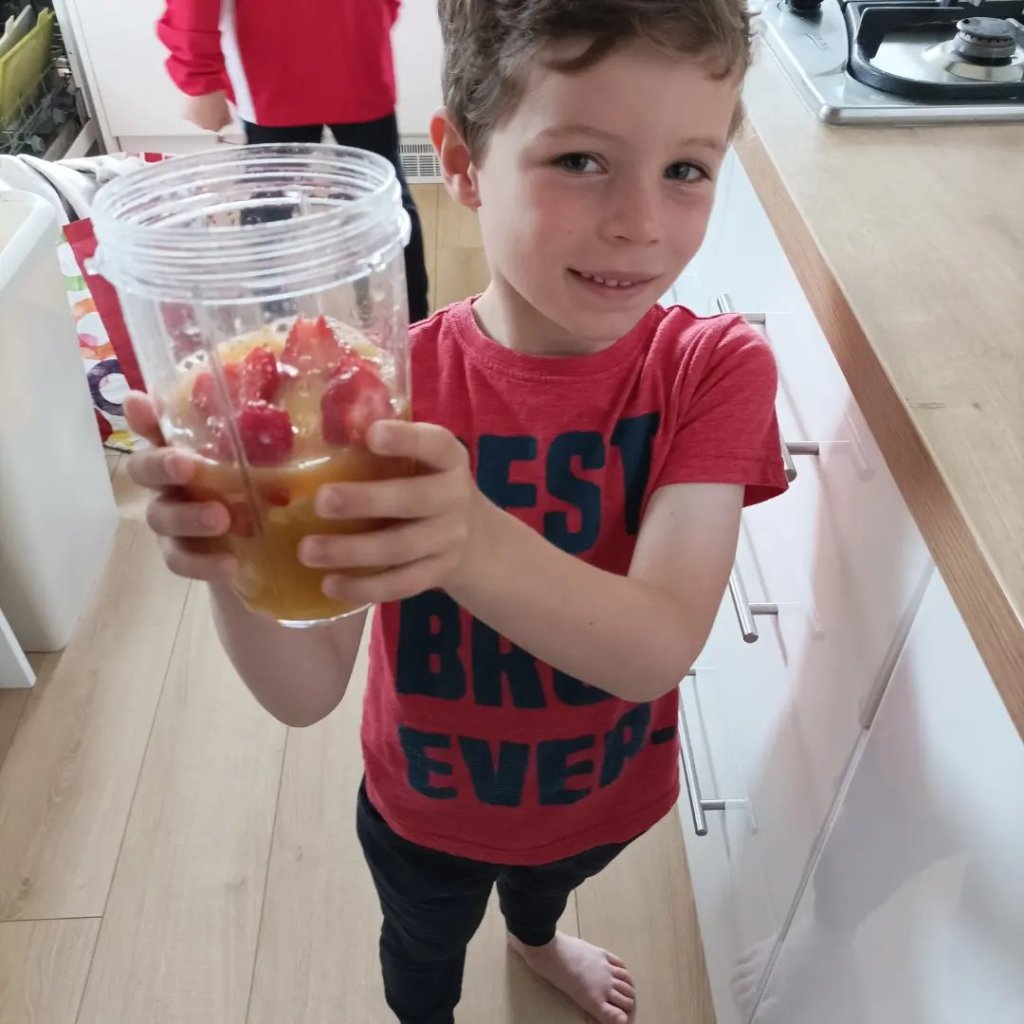
To help yourself in taking control of your situation you need to plan and prepare. Plan your meals in advance. Batch cook soups, sauces, chilli, lasagne, stews and cottage pie. Request a microwave in your staff room if you haven’t currently got one. If you prefer sandwiches then prepare them the night before and buy items like yoghurt and fruit to accompany a packed lunch. Make a fruit and veg smoothie and decant it into a large sports bottle to keep drinking throughout the day.
There are ways in which you can take back control and cut out the anxiety of what your next meal will be. To succeed, knowing what your next meal will be through planning will create a positive mindset.
And the great thing about planning is that you no longer need to worry about three square meals. In fact you could eat five nutritious smaller meals that fit with your calorie goals and find that you are on the right track both physically and emotionally.
Society shouldn’t tell you how to eat. You should. Take back control and own it.








 Never Give Up PT