Go into any gym or click onto any fitness/training page and there will be a debate that has been around since the first person laid on their back and pushed something heavy above their head.
I’m now picturing Fred Flintstone pressing a rock, but that’s silly.
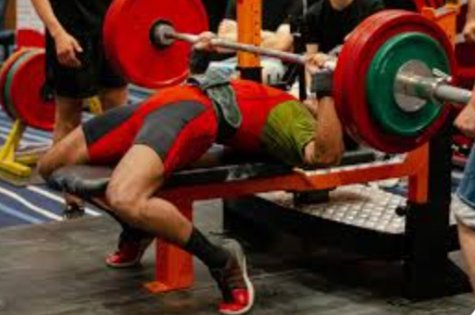
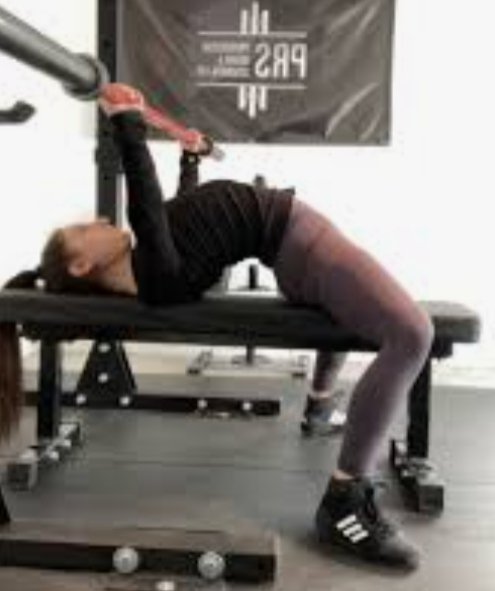
The debate is whether or not we should arch the back during the bench press. And I mention this now because it has once again been brought up in conversation at my gym today. After somebody saw me arch my back during a bench press, they asked,”Are you supposed to arch your back?”
Knowing that the questioner was a football fan I came back with a football analogy. I replied,”If you are taking a corner kick should you knock it into the box or go short?”
The answer, of course, is that it depends on the circumstances. It depends on the stage of the game and the tactics that you or your coach wish to deploy. There’s no right or wrong, but the timing can be right or wrong. I’ll explain…
Arching the back is great for lifting heavier weights. It provides a more compound movement which recruits different muscle groups and helps create more power. And this is my reason for arching my back. In fact, I always bench press with my back arched because I don’t find it the best hypertrophy exercise, despite it’s many other qualities.
So, a chest press in order to promote pectoral hypertrophy would be to use a set of dumbbells at around 70% of your 1 rep max for 10-12 reps. Dumbbells allow a longer range of motion which can result in more muscle activation. The bar just can’t give you that sort of range, so a bench press with a bar without an arch, in my opinion, just gives you a ‘pump’. A few pics in the changing rooms for your Instagram look great but by tomorrow there will be nothing to show for it in real life.
I always use compound movements as my primary exercise and I often start with the bench press. Now in my 40’s, I have to look at ways of increasing my testosterone and compounds have the greatest success at doing this. I don’t bench press to ‘grow muscle’, just testosterone levels. However, once I pick up the dumbbells it’s all about weight management and hypertrophy.
We are told that the more experienced we are in our muscle hypertrophy journey, the harder it becomes to create more growth. My own experience can confirm that the science seems annoyingly accurate on this. But it’s not impossible. In fact if you just take a step back and take a look at your own current workouts it’s probably very fixable.
The more advanced we get, the more we tend to add to our workouts. But this takes up more time and before you know it your head is spinning with a myriad of techniques and workouts from YouTube to start stimulating your sluggish muscle growth. And in trying to fit all of this new routine into your sessions you forget about what got you where you currently are in the first place. Sometimes less is more, so let’s get back to basics.
Sure, adding supersets or drop sets to promote stress to the muscle is a good idea, but what you include in your sets (supers or drops) will be an important factor.
I often see traditional compound lifts such as bench press, barbell rows, deadlifts, squats and lunges left behind for more ‘adventurous’ workouts. The problem with this is that the traditional compound exercises are your bread and butter muscle building moves that haven’t been perfected yet.
From close grip bench press, pendlay rows, jump squats, resistance band deadlifts, deficits and animal flow, they can all contribute to your workouts but also you need to stay grounded. Never ditch the traditional lift that the alternative bases itself on.
We can become bogged down with alternative methods and, rather than use them to accompany your routine, they begin to take over. But muscles like consistency. They need to grow into each technique. And perhaps we begin to think that we have outgrown the bench press and the muscle needs a different stimulus, but the muscle still needs to keep learning for it to truly adapt. Chopping and changing a routine just because we see a cool technique from another gym goer or a YouTube guru won’t benefit us unless we stick to our principals.
Regain your passion for a 1 rep max on your bench. Aim to add a little bit more weight over time. Increase the reps. Decrease rest periods. Do what works first and then have a play with alternative methods. Get back to basics.
You have this cool programme that you developed/got off YouTube/received from a trainer about 6 months ago and it was fantastic.
It excited you, gave you a new purpose in the gym and got you some kick ass results. For the first time in a long time, you had a new belief in reaching your goals.
It was amazing. WAS.
But now, 6 months on, it all feels like a slog. The thought of going to the gym isn’t exciting you any more like it did. The results are slow if any at all and you’ve started to feel the injury niggles from repeating the same old exercises. Day in… Day out.
>sigh< “here we go again” you say as you enter the gym doors.
You start to blame yourself. Are you tired? Is your mind just not in the game anymore? Is it just an age thing? Are you eating right?
The odd day off creeps in where you would usually have gotten to the gym. A few mates are having a pint after work. It’s tempting. The gym bag gets thrown back into the boot of the car. Or the early morning start where you once jumped out of bed to get a workout in before work has gone. Now the snooze button seems like a better option.
If any of this sounds familiar then the chances are is that your programme has run its course. I’d estimate that it’s probably a good four months out of date.
Not only does a progressive programme last over months and in some cases years, but keeping a check on the finer details like rest periods, weights, reps and sets becomes essential to a trainees goals.
If you have a workout plan that you repeat every week without a direction beyond that plan then it will become stagnant. You become demoralised and you give up. Or you become demoralised and injury gives you little option but to give up.
Internet workouts perplex me. They appeal to people because they are free. I’ve been there. The free option was like finding a cheat sheet. A short cut that didn’t cost a penny. And the guy posting it was jacked. ‘That’ll be me soon,” I thought.
Programming isn’t a one size fits all. And if you are lucky enough to find something that works to begin with, then eventually, without auditing, you will be forever treading water. It will become a tired workout. You’ll become tired.
Assessing your progress every 6-8 weeks should be as much a part of your training as perfecting your squat or your bench. Knowing how and when to tweak your workouts is a skill. I only acquired this skill when I was studying for my PT qualifications. Since then I’ve written thousands of programmes.
If only I’d have known how to audit my fitness 20 years ago when I was at my physical prime. In truth, I didn’t have a clue back then.
I don’t blame myself or anyone else for not auditing and following a progressive programme. There’s so much confusing information out there and, as I say, it’s a skill. A skill that I learnt and became qualified in.
Why wouldn’t you try out free workouts online? After all, I wouldn’t trust most PT’s in mainstream gyms anyway. I honestly can’t tell if they’re giving the gym member an induction or a training session, such is the lack of passion in their approach.
But very good PT’s do exist. Ones who are fully self employed are generally 100% committed and knowledgeable to their clients. They have to be. If they fail then nobody will pay them. If they don’t get paid they don’t have a job. I literally go to sleep at night thinking about programmes or tomorrow’s sessions. I have to. I’m the one who will help my clients audit their workouts. I need to know every tweak for over 20 programmes at any one time.
The Bottom Line
Any new workout usually works for a time. They often work muscle groups that haven’t been worked before and muscle soreness feels intense but satisfying. But the body adapts and with it so must your programme. How you adapt it is what will keep getting you the results.
My usual gym routine is from Monday to Friday. The weekends are generally for family time and relaxing away from formal exercise. It works for me. There’s no set rule that works regarding a training plan. Perhaps my ideal plan would be having two rest days that aren’t together but personal circumstances have to be accounted for.
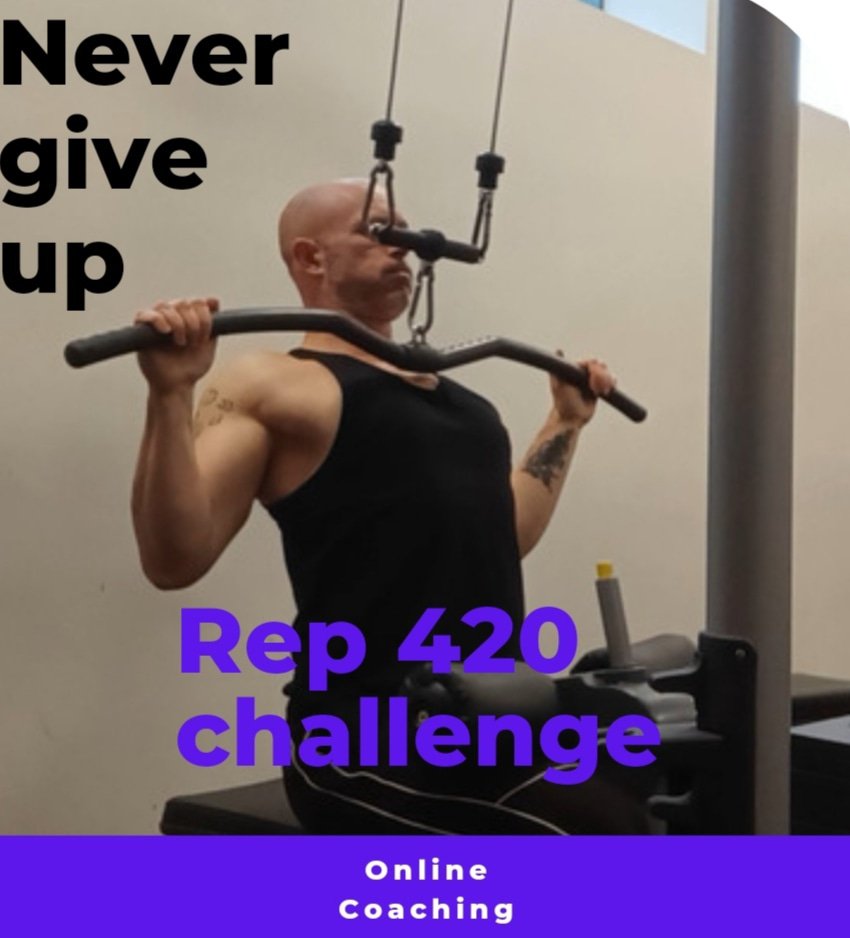
What training a full five days in a row allows me to do is have a definitive day in which I can begin a wind down in the intensity of my workouts. I can’t hammer my body every single day with heavy compounds. Indeed, I believe in my 420 reps workout that I have developed for others so much so that I am doing it myself. This means that once Thursday’s session is over I have completed over 1500 reps. By Friday, my body is telling me that I need a little assistance from machines!
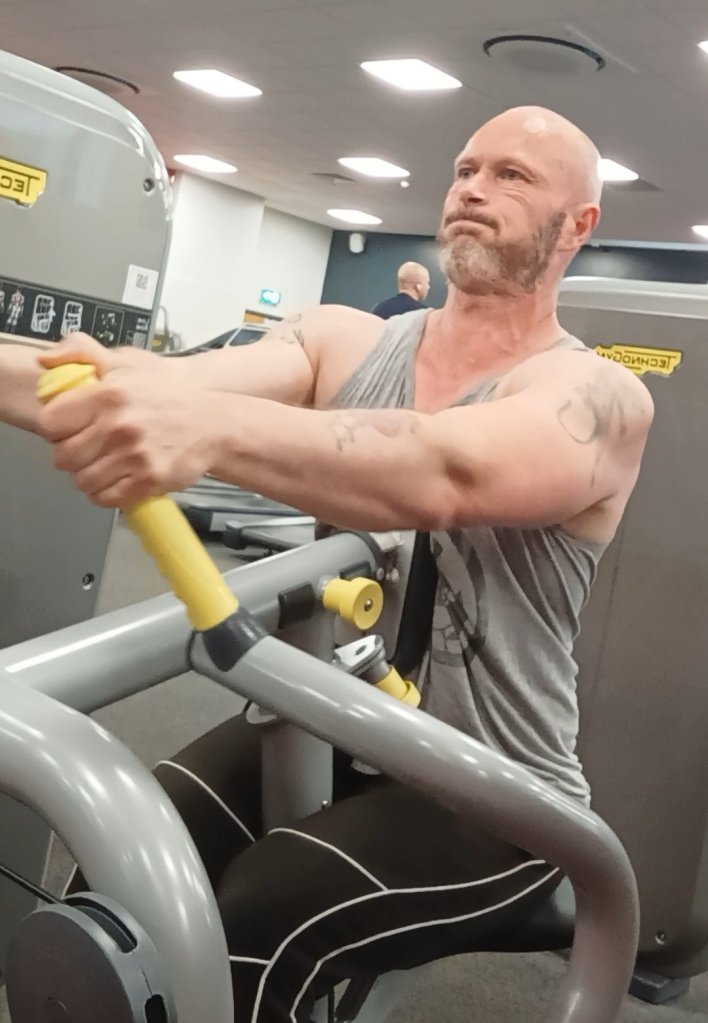
And this is exactly what the resistance machines are perfect for. They provide much more relief for the body and it isn’t just the physical aspect that needs the respite. Neuromuscular Innovation, or more commonly known as the mind-muscle connection, takes its toll on the brain. The thought process of connecting with your target muscle in a bench press scenario is much greater than on a press machine.
Foot positioning, core engagement, time under tension, breathing and the contraction are all crucial components of a bench press. Sure, there’s still the necessary check list to go through on a machine but in no way is it as thorough. Therefore, instead of risking injury with sloppy end of the week technique, I still get to workout without breaking myself.
It does concern me, however, how overused these machines get. I get the impression that lots of gym goers use them because they haven’t been shown how to squat, deadlift, bench press or barbell row. Their inductions usually include a brisk talk through these machines, so why would they use anything else?!
When I did gym inductions I went through deadlift form as a priority. It is a free weight compounds that requires the whole body to move and work together as one. I can analyse the hip extensors and knee flexors of the participant and get an understanding of overall strength and fitness levels. Without it, I would struggle to know what machine or what type of exercises a new gym member should be doing. So I am perplexed as to how the gym staff know. Introducing them to an ab crunch machine is way way off of where most new gym members need to be.
And don’t get me started on an ab crunch machine. An over reliance on a resistance machine can cause injury, but an ab machine can be particularly dangerous. The deep abdominal muscles, together with the back muscles support and protects the spine. I cringe as I see yet another gym member rocking wildly like a wound up toy trying to work their abs. Back pain is the biggest reason for staff sickness in the UK and until we begin to train our lower backs correctly this statistic won’t change.
The Final Word
Resistance machines are a great way to supplement your workouts. A heavy session on the bench or in the dumbbell section takes a lot out of us physically and on the nervous system. Rounding off a session on the machines or cables can be a perfect finish. But we can’t rely on them to reach our goals, be it injury rehabilitation, weight control, muscle gain or movement. If you are completely new to the gym then I would recommend starting in the free weights area with a trainer who knows what they’re doing.
That you for reading this article. If you have any questions on this or any of my practices then do get in touch!
Gym Classes are an excellent way to introduce yourself to formal exercises, meet new people with similar goals and to plan your fitness routine for consistency. From Stretch classes, Zumba, Spin and Boxercise the mainstream gym have covered it all. And being a Fitness Instructor myself I can see the fantastic benefits of booking onto a regular gym class….but it should come with a warning.
Here are my gripes on classes…
* Gyms that I am aware of are regularly putting on virtual classes. This seems to limit the cost of paying for a live instructor and can run throughout the day. I find this counterproductive from a gym going by the feedback that I receive as many gym members want live instructors and some have moved to other gyms to find them. A trained fitness instructor can manage the pace and intensity of the class and adapt workouts each week to fit the needs of their participants.
* I see more injuries occur in fitness classes than I do in the gym. An instructor cannot check the form of 30 class members. The classic exercises for poor form are deadlifts, bent over rows and kettlebell swings. In fact kettlebell classes are an injury waiting to happen. When you need to teach hip hinges, breathing and core control to a room full of people who see their half hour class as a way to ‘blast their abs’ or ‘fat burn’ it becomes an impossible task.
* When you think about the titles that they are given, such as those above (abs blast and fat burn are real life class titles) it is very misleading. An abs class once a week won’t get anybody a six pack. An abs class won’t do a great deal for stabilising core muscles. A fat burn class usually consists of fast paced reps that use exercises that require slow, controlled movement to focus on target muscles and avoid injury. Getting these movements right and incorporating them in a fitness programme is essential for all types of fitness goals, but repping out as many deadlifts as you can in 60 seconds won’t. Yes it burns calories, but put your back out and you won’t be burning those calories again until you’ve recovered from your injury.
* Classes can be demoralising for lots of people. They feel inferior compared to those around them. Yet many class goers have been going to the same class for years and might know what to do. If they know the instructor then they will probably know what equipment is used and what exercise is next. They probably even know that the class starts with Rock DJ and finishes on a club version of Castle On The Hill. But new people might feel out of their depth. Which leads me onto my recommendation…
Oh do tell Shay!!
Well, for anyone going to a new gym and are a little apprehensive or have never been to one before I would suggest hiring a good PT (a good one! Not a Poundland special) and learning how to move correctly. Of course I would say that, I’m a PT right?! Yeah but Brian who is reading this at his home in Penikuik won’t be hiring me 1-1 so it’s of no great advantage to me. It is, however, sound advice.
5 sets of ten deadlifts will be far more important to a gym goers goals than a class when they first start out on their journey. When to breath, how to engage the core, foot placement, hip hinge, strength and stamina building, morale boosting and goal setting are all of things that will be learnt fairly early on in regular PT sessions. None of which are taught with any great depth (if at all) by Mr Motivator at the front of the class whooping and jumping like a Duracell Bunny on speed.
The Journey should begin on the gym floor, not collapsing on a class floor.
Thanks for reading! If you enjoy my blogs then check out some of the other stuff too. See you soon!
I rarely create a programme plan for my trainees that I wouldn’t attempt myself. Despite following my own programme religiously for a number of years (with two years off for Covid restrictions) I decided to begin the Rep 420 Challenge.
I’m currently in a slight calorie deficit hypertrophy phase of my own programme, so the Rep 420 isn’t a million miles away from that. Changing it up slightly is always exciting and rewarding both mentally and physically. For me, something new to attempt in the gym gives me that funny zippy feeling in the belly. The adrenalin keeps me going back for more.
How The Rep 420 Works
* The 420 reps is one workout which takes around one hour.
* It is a full body workout using just free weight (dumbbells, barbell and kettlebells).
* Rest periods are short and most rounds are completed as supersets.
* There are 7 exercises which will be performed over 6 sets in total. The end result is a huge amount of reps and a kick ass workout!
But that’s just one day! A second 420 reps is performed on another day plus at least one isolation workout (I plan 2/3 isolation sessions on top of two 420 workouts) per week.
The high reps will contribute to muscle adaptation, sarcoplasmic and myofibrilic hypertrophy and a firm nod towards fat burn as long as I stay within my calorie deficit.
I have a few trainees currently trialling a 420 workout with a view of launching this programme next month. Contact me for details if you’d like to trial it. I always appreciate the feedback.
The Smith machine is becoming more and more popular due to its versatility. And yet when LA gym owner Jack LaLanne first rigged a sliding bar in his gym back in the 50’s I don’t think that the piece of kit was necessarily designed to be versatile. Even when it was modified by a trainer called Rudi Smith to what we now know as the Smith machine I doubt that it was ever supposed to be anything but a squat and press machine.
As a squat and press machine the jury is still out. Unless you are also performing free weight squats the Smith is a poor alternative according to a recent report stating that free weight squats activated muscle 43% more than with a Smith.
“So why big up the Smith machine if it’s no good, Shay?!”
Well it’s a great bit of kit if you are going to Smith squat as well as free weight squat. But on top of that, for the past 70 years trainers and gym goers have been coming up with some very clever ideas to isolate their muscles to further enhance their hypertrophy and ‘toning’. After all, squats are one of the best compounds that you can perform but without the finishing touches then we might not always get the shape that we desire.
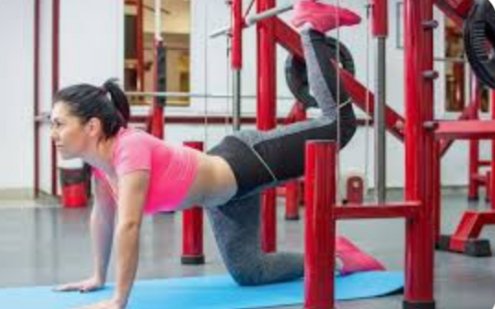
Enter the Smith Donkey Kick!
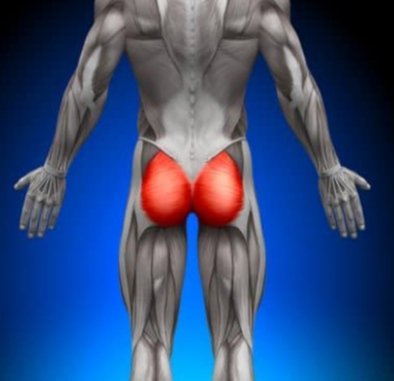
I would consider the Donkey Kick to be up there with the very best of glute isolation techniques, especially on a Smith. Remember I’ve talked about the need for progression in our workouts? Well eventually you will need a new way to stimulate your gluteals past your usual body weight kicks. If you’re a man reading this you might not think that Smith Donkey kicks apply to you. Wrong! Just because you don’t see other men perform them doesn’t mean you shouldn’t. A recent survey by Gentleman’s Journal showed that 62% of females find a good ass attractive. And if you’re like me and you’re already taken and you don’t feel the need to peacock anymore then a good ass can be satisfying for your own self esteem too. We all turn in the mirror to give our own ass a good squeeze right?!….Or is that just me? Ok…. Moving on!
The vast majority of Smith Donkey kickers are female, that’s true. And if you were to ask any of them to give up one aspect of their training they wouldn’t choose the SDK. It has become an essential part of booty isolation because of the results that they get from performing it. But they also do the tough free weight squats and deadlifts too, so don’t think you can kick your way out of doing the heavy stuff too.
The BOTTOM Line
The fact is that our muscles need as much stimulus as possible to produce new lean muscle that can make us look and feel great in a pair of jeans, dress or shirt. But not just that. It enhances performance for our sport, general fitness goals and in every day life. An independent 80 year old who can still walk, stand from a seated position and climb out of a bath tub will more than likely have a history in participating in a sport, performing compound movements and working on muscle development as a younger person.
So seeing as I enjoy a quote from the great philosophers of our time, as Ice Cube once said…”You can do it. Put your back in to it. Put your ass in to it.”
Thank you for reading! Please check out my other articles on gym life, family life and nutrition on my site.
In an earlier article I discussed the three types of muscle contractions during exercise. Of course, all three have a huge bearing on how well we progress in our training goals of strength, hypertrophy, fat loss or endurance. But when it comes to those exercises that just seem to be a little too tough to master, I may have a solution…
…the negative rep AKA eccentrics.
Eccentric movement is the lengthening of the muscle. This is commonly seen as the lowering of a load such as bringing the bar to your chest in a bench press. Performed by experienced resistance trainers to work through a plateau or to challenge their muscle fibres, negatives can be a great inclusion in your training programme, especially for the exercises that you just can’t seem to master.
Pull Ups
Because the pull up is one of the most common exercises that I hear people say is one that they find extra difficult, I’m going to use this as my example. Pulling your own body weight up can be one of the most difficult exercises to do. A mistake that I see regularly with a pull up is the lack of core engagement. To an extent, you can get away with poor core engagement on many exercises. You won’t get the results that you want and injuries are much more prevalent in those who do not engage their core during exercise, but moving a weight from A to B is still possible. Performing pull ups, however, requires full engagement of your core to be able to do it. The best way to practice this is through negative reps.
Core Engagement
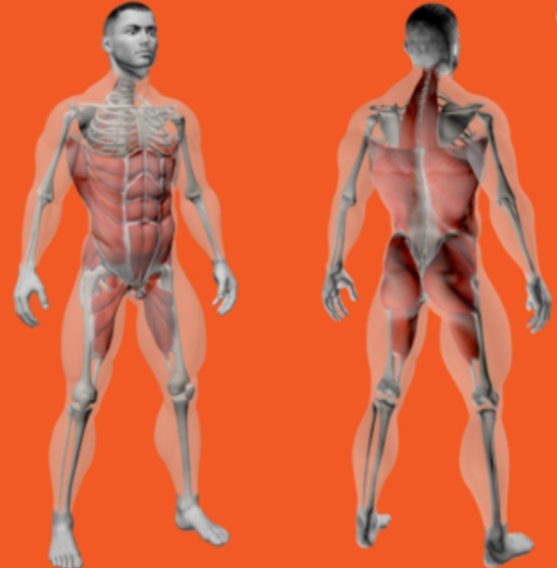
Your core can be described as everything but your arms and legs.
Some of the most common ways that I have heard in how to engage the core is to brace yourself as though you are expecting a blow to the abdomen. Another is to imagine squeezing an orange under your arm pit. And for your glutes, you just need to squeeze the hell outta those butt cheeks! Try them now… no-one is looking!
Negative Rep Pull Up
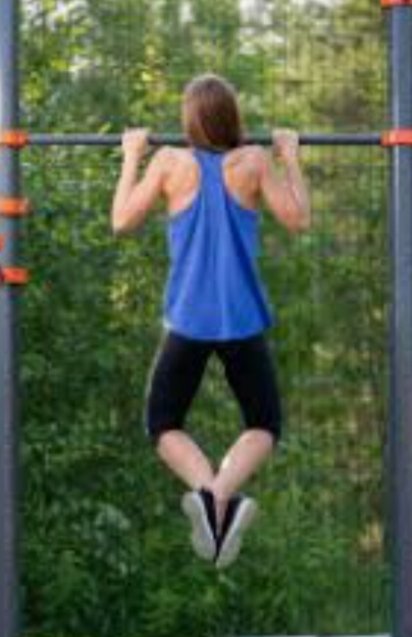
Standing on a box below a pull up bar, grip the bar and get into a flex hang position as pictured below. You should breath in at the point of your flex.
Hold this position for a few seconds (each practice you want to be able to hold for a little longer) and slowly lower yourself into a dead hang position (arms fully extended) whilst breathing in.
Legs can be controlled easier if your feet are locked together, as above. Flailing legs can distract you from your core brace, grip and breathing.
Once you have completed one rep you can come down from your dead hang and repeat the process. Practicing these negative reps will create grip strength, core stability, confidence and time under tension which will all contribute to your progression onto full pull ups. The only thing that will make you fail will be your lack of patience, so don’t allow it.
A pull up is a classic gym exercise that not only looks impressive it confirms your technical skills and your strength, but to get there sometimes we have to put in the hard yards. So my advice?
Understanding muscle contractions are important if you are on a fitness journey that includes muscle growth, strength, fat loss, mobility and sports specific training. Once you understand the basics of muscle contraction I am convinced that you will speed up your ability to meet your goals. And I say basics because you don’t need to be a fit pro, a scientist or professional athlete to know your own body. Hopefully a little bit of reading of articles that leave out the jargon can help you to understand. So let’s jump straight in!
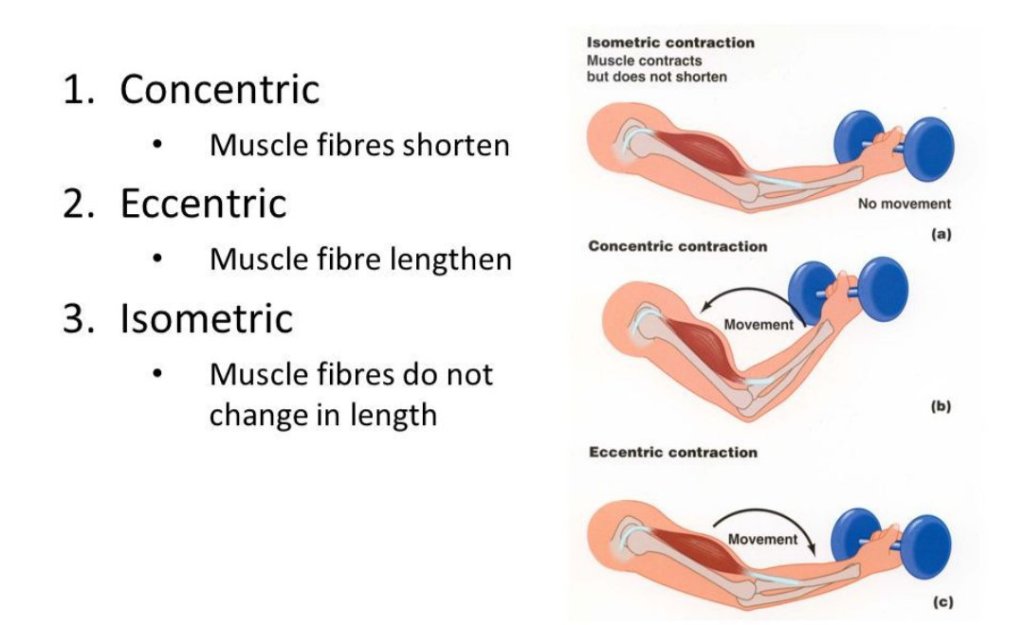
Your muscles perform three types of contractions when you exercise.
* Concentric
* Eccentric
* Isometric
A concentric movement shortens the muscle to force an object to move. Think of the bicep curl. As you force the weight towards your shoulder your bicep shortens to create a squeeze.
An eccentric movement lengthens the muscle and stretches the muscle fibres. Imagine the lowering of the weight during a bicep curl or the squatting part of a squat or leg press. This phase of the rep is regarded as the part that induces the most muscle growth as the muscle fibres are fully activated in lowering a weight under control. This is where delayed onset of muscle soreness (DOMS) are most like to occure and specific eccentric training is a popular training phase for many athletes.
An isometric movement is a contraction that does not require muscle to lengthen or shorten. Think of a plank or wall sit. There are no reps that use concentric or eccentric movement. These are particularly useful when sparing the joints from discomfort or injury but still strengthening the muscle.
Developing an understanding of these muscle contractions will give you a greater appreciation of time under tension (TUT). Powering through 12 reps in 15 seconds is fairly straightforward. However, this is not the best way to train. Once you imagine the muscle lengthening and shortening through repeated exposure to the load of the weight then you can create a clear ‘mind to muscle’ pathway. You begin to think about each rep rather than just move a weight from A to B and it might need you to cut out the ego lift and go lighter. Just because you’re benching 100k doesn’t mean your muscle has gotten much out of the process. If you aren’t in control of your muscle contractions then your target muscle is unlikely to feel the need to change.
I ask my online trainees what their rate of perceived exertion (RPE) is after each exercise. As I’m not physically stood next to these clients I cannot see how easy or difficult they found the activity. If they are rating their workout at around 5/10 I would ask them to slow the tempo of each rep before adding more load in an attempt to challenge them to a high exertion level.
TUTand muscle hypertrophy
Earlier I mentioned time under tension as a significant factor in muscle development. Longer TUT will create a more challenging experience and much more rewarding for muscle hypertrophy. If I were to learn French for ten minutes a day I would get much less knowledge of the language than if I were to learn French for 30 minutes.
So, if I were to complete a set in ten seconds I would get much less chance to elicit muscle growth than if I were to complete a set in 30 seconds. Every rep and set is an opportunity for muscle growth. Moving a heavy object is easy. Thinking about it requires muscle engagement.
I hope that this article helps. I have tried to remove unnecessary jargon as I believe that resistance training should be enjoyed by everyone and we shouldn’t need a physiology degree to do it. And not just do it, but do it to ensure you get the benefits from it!
Although Vilfredo Pareto didn’t commit his work to the perfect exercise programming he did create a power law which developed the concept of quality control which has some significance in the fitness world. This power law, also known as the 80/20 rule, is explained in a number of ways.
In his work, Cours d’économie politique, Pareto showed that 80% of the land in Italy was owned by 20% of the population. He then discovered this to be true in many countries within the western world. In business management it is an adage that 80% of sales comes from 20% of clients. In taxation it is found that as recent as 2018 (USA) the top 20% of earners pay 80% of Federal income taxes. Microsoft noted that by fixing the top 20% of reported bugs, 80% of errors would be eliminated. Studies also find that 20% of patients use 80% of health care resources. In the USA The Dunedin Study founds that 80% if crimes are committed by 20% of criminals.
Yet perhaps, like with all research, theory and principles there are always exceptions. And in an amusing kind of way, 20% of us might subconsciously be using the Pareto Principle 80% of the time! Indeed, how true is it that you have 50 apps on your phone but only use around 10 of them most of the time? I have ten takeaway menus in my kitchen drawer but I will only use two for about eight out of the ten occasions that I order a takeaway.
The roads in your town that you drive on. The TV channels that you watch. The websites that you visit and the rooms during your waking hours in your home, roughly, will be spent on 80% of your time in just 20% of them.
So what is the significance of the Pareto Principle in our exercise routines? Already I have noticed that 20% of the gym members are spending 80% of their training time doing it correctly. But what is the correct way? How can we optimize our time to produce as much as possible from our exercise routines and hit our goals? Maybe this principle might help.
So we should expect 80% of our results in the gym to come from 20% of the work. Conversely, the remaining 20% of our results to come from the remaining 80% of the work.
This means that we need to learn, adapt and master the 20% of the work and THEN create a structure for your remaining 80%!
I can’t help you with the 80% of your time (unless you ask and then I can develop a kick ass training plan specific to your needs) but I will tell you the core exercises that you should be including whether it be for hypertrophy or fat loss. These should be your 20% to gain 80% of your results…
Walking
Walking shouldn’t be underestimated. In my previous articles I have discussed the importance in getting outdoors and walking. Not only can you burn calories if that is one of your goals, but it helps our cardiovascular system, brings us closer to nature, allows thinking time and, if you are walking with a friend or partner, enables good conversation away from normal life. I’m a treadmill Dodger, I admit, but I do enjoy walking which, not only does it tick the right boxes as above but allows me to crack on with the rest of my 20% in the gym.
Deadlifts
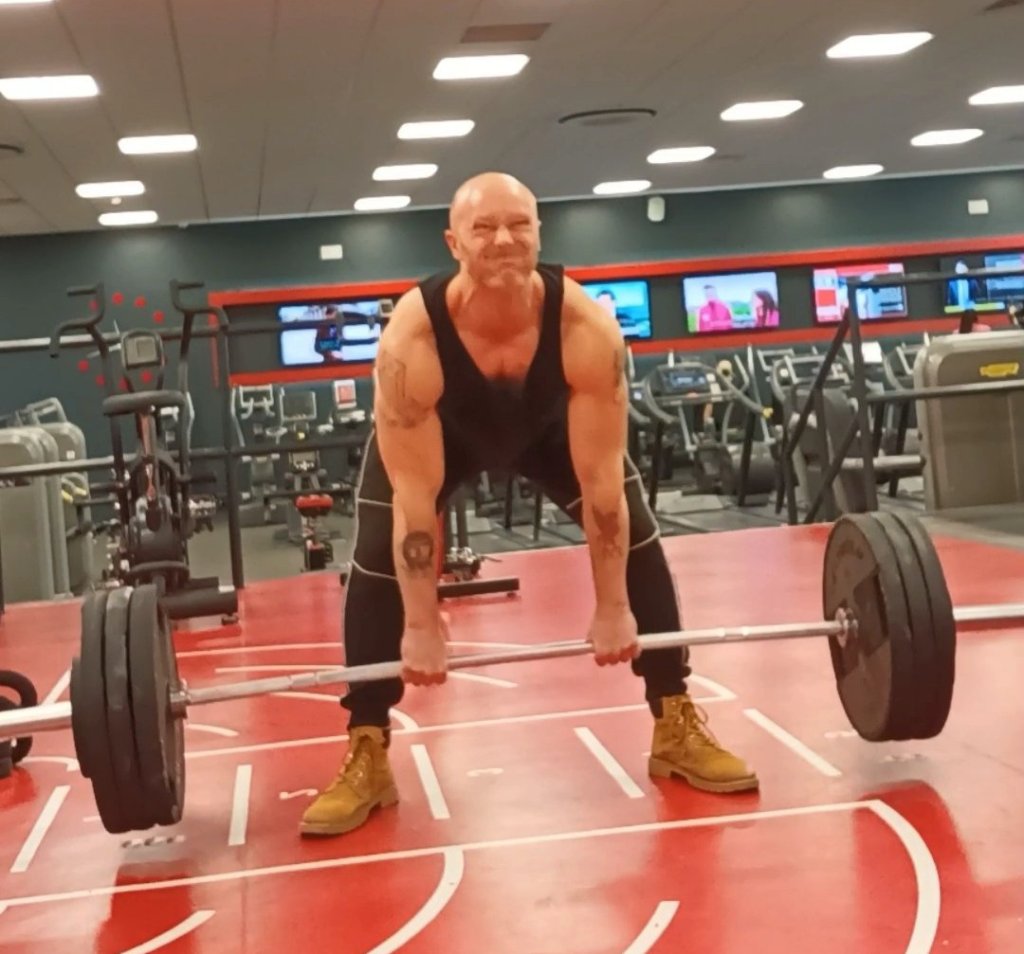
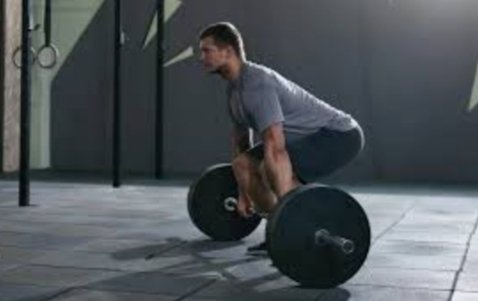
One of the greatest compound exercises you could ever begin to master. It is difficult yet very rewarding. It is so much more than a leg exercise or indeed a back exercise. To execute a perfect deadlift, every muscle needs to work hard. And it isn’t just a cardio machine that gets the heart racing. Give me 10 reps for 5 sets at a medium to heavy weight and tell me that you haven’t worked up a sweat! There are lots of variations to get to grips with too, so you’ll never get bored.
Bench Press
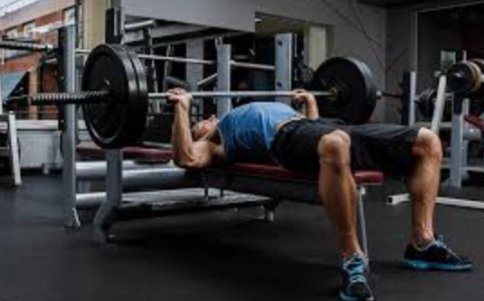
Again, this is a compound that should be incorporated into a complete workout routine. Known for working the chest (pecs) it is doing it a disservice to label it as such. The best bench press form actually comes from the drive from your feet and into your core before your push. Variations can be done by using dumbbells and different bench angles and isn’t just for men wanting impressive pecs! Females should perform them too! Also, depending on your weights and reps this will target your triceps and shoulders effectively.
Squats
With a barbell, with kettlebells, with dumbbells, with a weight plate or body weight, squats could possibly be the greatest exercise to master of them all. You can perform them anywhere! In the gym, at home, in the office or waiting for the bus. Great for your legs, of course, but your core will need to work hard for your perfect form.
Rows
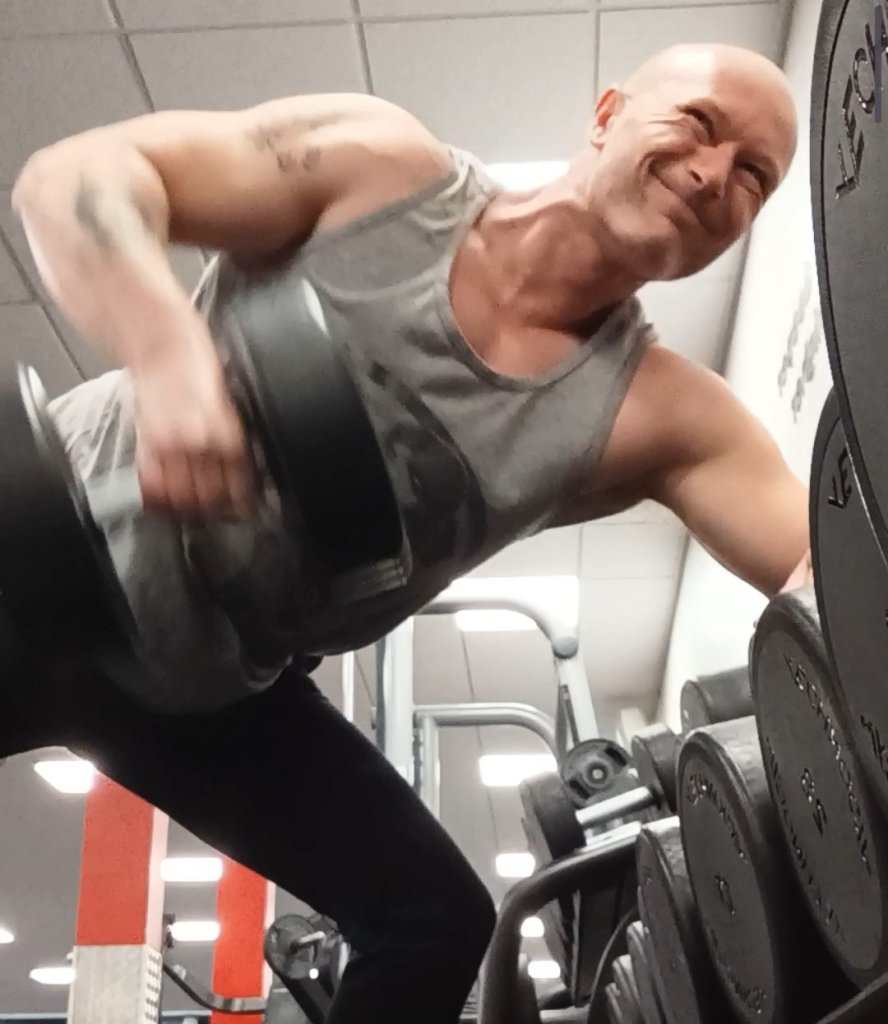
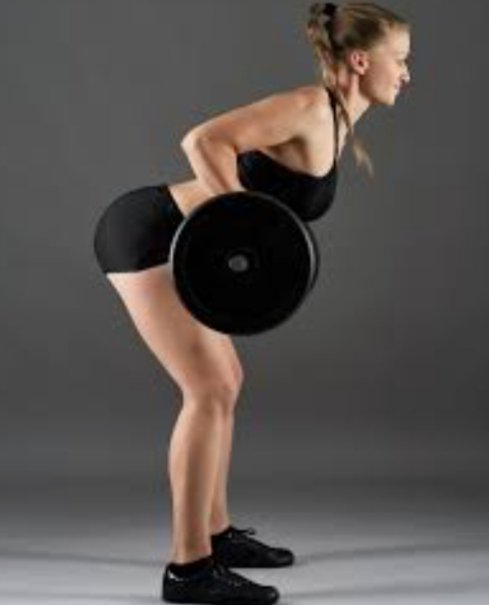
Traditionally performed as a bent over barbell row, but can be adapted to be done with dumbbells and kettlebells with both hands or just single handed. In my experience of teaching these techniques it is possibly the one that is done incorrectly. The back muscles seem to be tough muscle groups to target without good ‘mind to muscle’ technique, therefore the biceps tend to do too much of the work without the proper scapular retraction needed. However, this is part of your 20% for the 80% benefits so I’d start getting used to them!
Isolation exercises are often used too often and too early within a workout. By isolating smaller muscle groups we don’t elicit muscle growth, hypertrophy, fat loss or strength in the way that we intend to, which can create frustration with our goals. The compounds suggested above should be your staple, go-to exercises, but weights, rep ranges and sets will vary depending on individual goals.







 Never Give Up PT