Three Square Meals

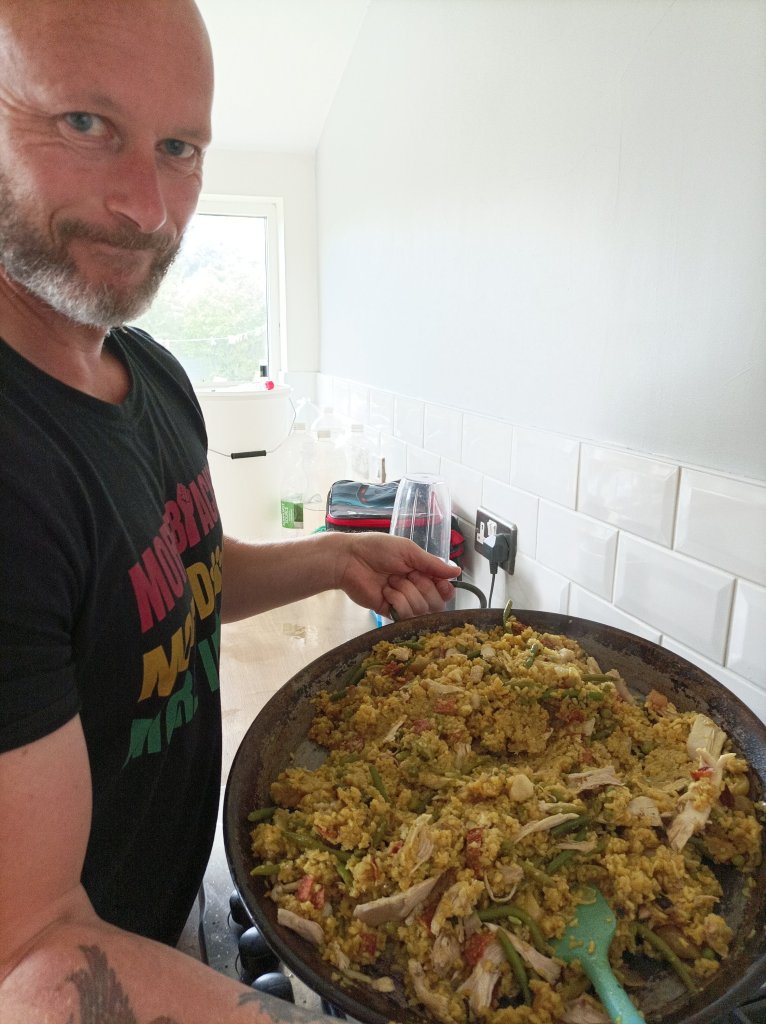
A question I get asked lots of times is whether we actually need three square meals or not. And then the convo often goes into what those meals should consist of for weight loss.

There is no one set answer to this question, of course. There never is! And that can be frustrating when you have goals set around your weight and your eating habits. You want answers. You need help.

Before writing, I researched a number of respectable websites that gave advice on meals and mealtimes and they all had different approaches based on some study or other. They all have good intentions and they’re all correct in their own ways, but they all admit the same things in their summary…it all depends on each individual.

Hire A Professional

So I would always advise you to talk to a professional about your goals as a first stop. A good nutritionist or personal trainer will want to know your lifestyle and habits. From there they can work with you in your weight goals. But beware of quacks. A charlatan will write you a meal plan without getting to know you. Basically, it’s a copy and paste job. They’ll do the same meal plan for every poor sod that comes to them for help. And the alarm bells should start ringing if their idea of a meal plan is written on a piece of A4. It’s not professional and it might as well be scribbled on the back of a fag packet. Same with a workout program.

Why Three Square Meals?

Now, I haven’t got the studies of the University of Ohio or Murcia, but I do have ten years of successfully guiding people to healthier eating habits behind me. And I have found that the three square meals a day tradition isn’t necessarily the best way. Indeed, the very term ‘square meal’ has had etymologists in a frenzy for years. Some argue that it derives from nautical origins of sailors using square plates, filling their plate with wholesome food to give them energy such as stews. But others would argue that it comes from American mining of the 18th century, which means something that was made with exact right angles was properly constructed. Fair and square. Proper, honest and straightforward. A square meal.

But I would argue that our eating habits have changed over the centuries. This term to describe our eating habits is from a time where food wasn’t as abundant. Communities were poor where food rationing would have been usual practice and limiting meal portions on sea voyages would have been sensible. We don’t have these same issues now. Food is cheap, accessible, flown from far and wide to our plate, farmed, tinned and packaged for longevity. Food is brought to our attention through advertising on screens and billboards, newspapers and the internet. So we don’t need to know when to eat our three square meals anymore. It’s a stress that we can take out of the emotions of our eating. If we miss a meal, food is never too far away before we get another opportunity.

Let’s take breakfast time, for example. This was promoted as the most important meal of the day. A promotion led by none other than Mr Kelloggs in the 19th century. He happened to have just invented a breakfast cereal. So, is breakfast the most important meal of the day? And if so, is cereal the best choice of meal?

In my opinion, the answer is no and no. If you are not hungry, then why would breakfast, or any meal, be of any benefit at that time? And Bananas, yoghurt, eggs, nuts, seeds, smoothies are all better breakfast choices than cereal anyway. Eating something high in protein will keep you fuller for longer instead of getting those elevenses hunger pangs. This is what you need to keep in mind in whatever meal you prepare at any time of day. Do you have sufficient protein on your plate to keep you full?

Take Back Control

Our lifestyle of today doesn’t reflect what was expected of us in a time gone by. Our shift patterns have changed, more of us work now rather than expecting mum to stay at home with the kids and we work for longer hours and for longer into our older age than before. We shouldn’t feel obliged to stick to an eating pattern that is outdated in modern day living. But because we do feel obliged to eat at certain times we become anxious around our eating habits. And this anxiety leads to poor choices.

And WHAT we eat is far more important than when we eat it.

Choosing snacks or meals when you are anxious rarely turns out well. We look for comfort. Food anxieties are one of the biggest problems when it comes to weight management. We rarely feel in control of our mealtimes or our meal choices.

For example, our employer will set our break and lunch times. We are often restricted in time and where we eat. Many work based cafeterias will have vending machines with poor nutritional value options and if we work on an industrial site a burger van will park outside and waft it’s greasy burgers right into your work place vents. Even the gym where I train has a vending machine offering chocolate and crisps on the way out. If you pop to the supermarket for your lunch you are met with meal deals that are, quite frankly, pitiful.

To help yourself in taking control of your situation you need to plan and prepare. Plan your meals in advance. Batch cook soups, sauces, chilli, lasagne, stews and cottage pie. Request a microwave in your staff room if you haven’t currently got one. If you prefer sandwiches then prepare them the night before and buy items like yoghurt and fruit to accompany a packed lunch. Make a fruit and veg smoothie and decant it into a large sports bottle to keep drinking throughout the day.

There are ways in which you can take back control and cut out the anxiety of what your next meal will be. To succeed, knowing what your next meal will be through planning will create a positive mindset.

And the great thing about planning is that you no longer need to worry about three square meals. In fact you could eat five nutritious smaller meals that fit with your calorie goals and find that you are on the right track both physically and emotionally.

Society shouldn’t tell you how to eat. You should. Take back control and own it.
Jonas’ Journey: A Case Study

“Speak to your children as if they are the wisest, kindest most beautiful and magical humans on Earth. For what they believe, they will become.”

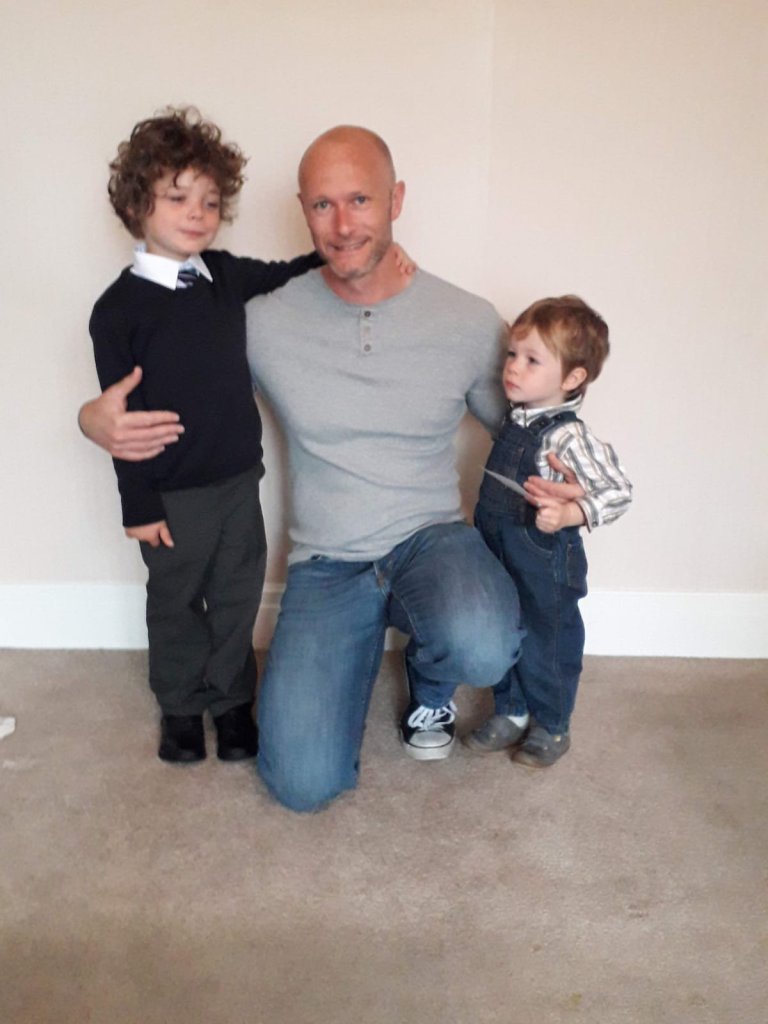
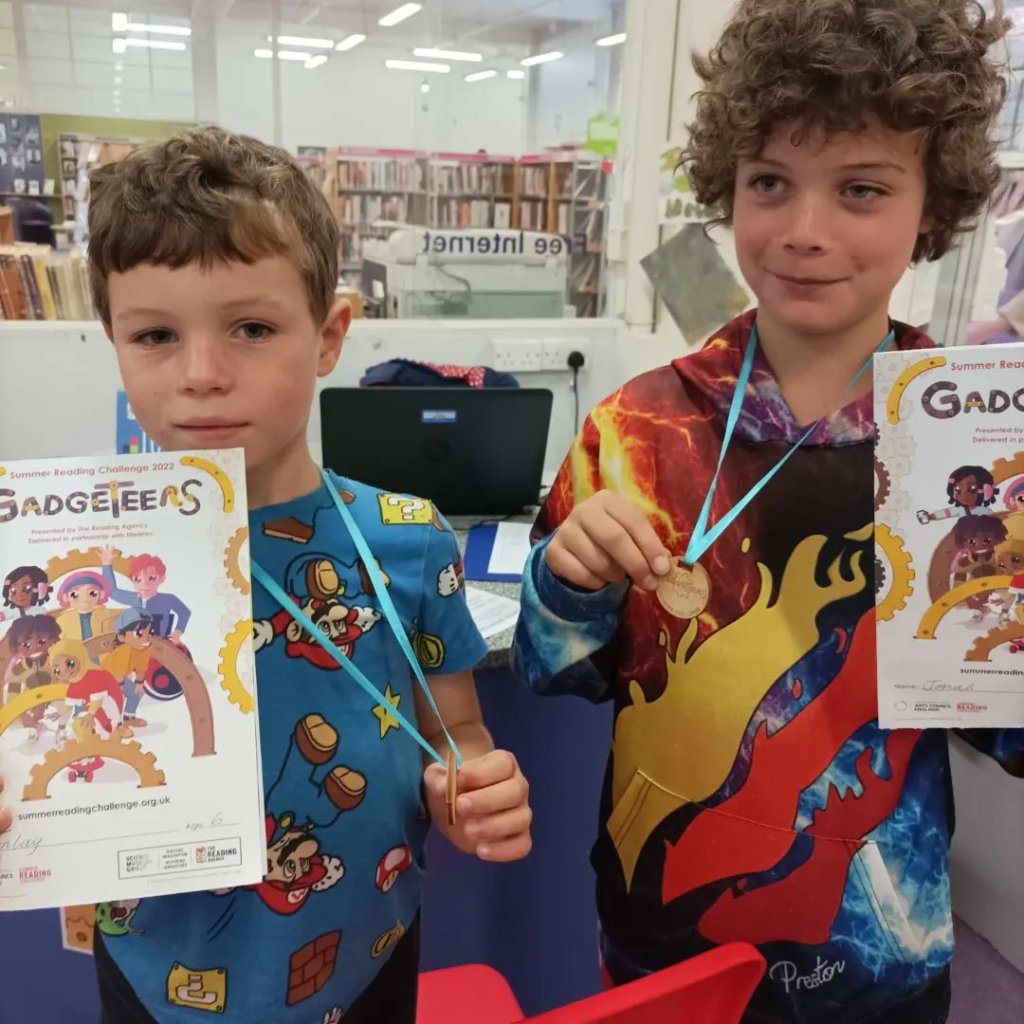
Jonas is an 8 year old boy. He lives with his younger brother Finlay, who is 6, and mum and dad. He lives in a house with a garden so he can play football, which he does often, and he has his own bedroom. His mum and dad work and have their own businesses, which can give them a little bit of freedom regarding setting their appointments around spending time as a family. It is considered a safe and loving environment.

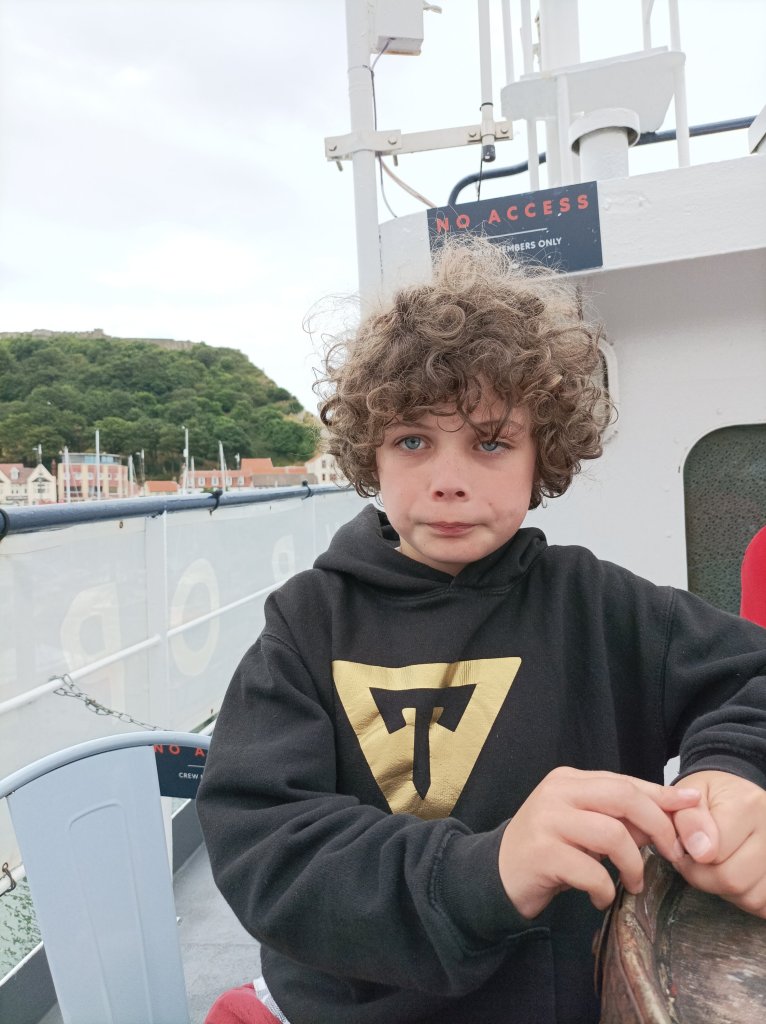
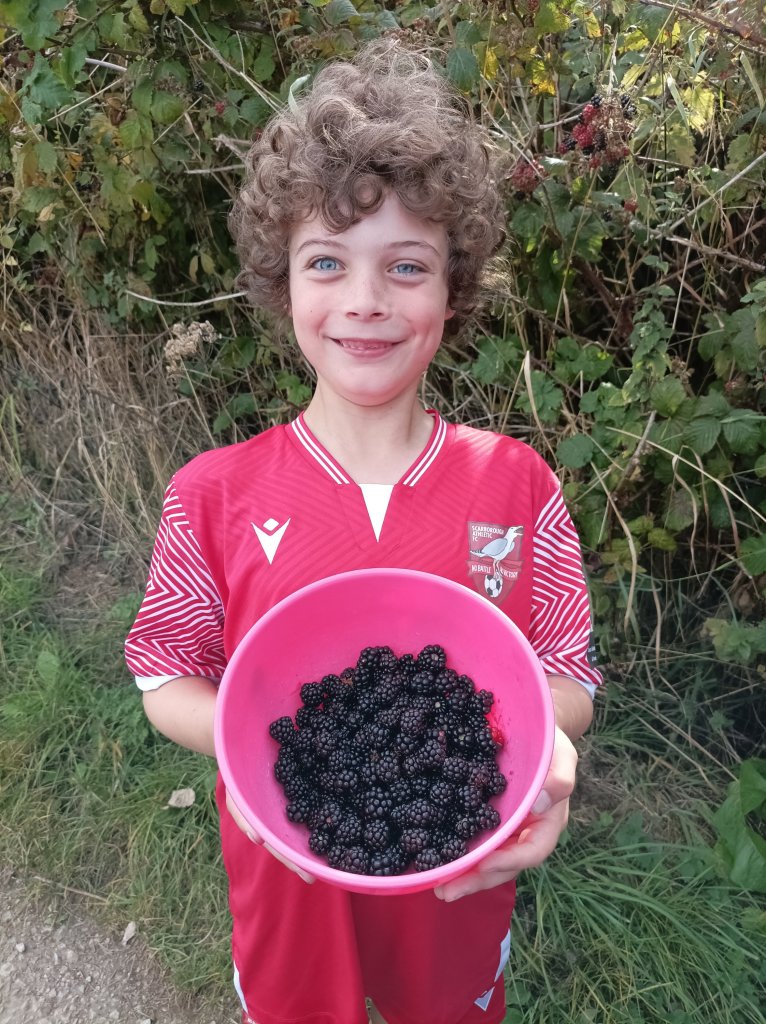
Jonas is a quiet, timid boy. Yet this is perhaps not always recognized by adults that meet him for the first time. His smiley face and big curly hair can give the impression of a confident child. Plus, as a talented footballer, he can play with quite a swagger. It is easy to think of him as a relaxed, calm little boy.

For as long as his parents can remember, Jonas has always shown empathy to others. This can lead him to worry or to become concerned over matters out of his control. Since learning about events in the Bible, he gets very upset for Jesus at Easter time. And he won’t watch Home Alone at Christmas as he gets fearful of the bad men attacking the little boy. This has been a cause for poor nights sleep at times.

And then, just a few months after he turned six, Covid happened. The lockdowns turned this little boy’s world upside down. For the natural worrier, this event was a major setback. His parents too, like so many people, had to find ways to overcome this crisis that had never been encountered before. Unable to work, bills still arriving, concerned for elderly loved ones and with two children unable to see their friends, Jonas’ parents had to dig deep within their resources. They were, however, determined to keep some amount of stability in the most uncertain of times. As a family they would do the Joe Wicks morning workouts, watch BBC Bytesize to help with their children’s schoolwork and go for regular local walks.

But Jonas stopped responding to these daily tasks. He would take himself away for hours at a time to watch TV on his own. He wouldn’t talk about his feelings. A walk was met with a groan and even playing football in the garden rarely happened. His brother, Finlay, also became less motivated but, perhaps because of his younger age, he didn’t understand the magnitude of what he was living through. Jonas did. He overheard many times about ‘death counts’ on the news. Something that his parents would try to hide or mute, but being in the house together for months at a time it wasn’t always easy to keep the news and the daily updates and announcements away from listening ears. And as the laws kept changing in regards to bubbles and the like, his parents had to keep on top of the latest developments.

Eventually, Jonas developed a number of ticks that he couldn’t control. The one with the most impact was a throat clearing tick. He struggled to complete sentences due to his need to clear his throat and his sleep suffered further. This continued when he went back to school and his parents informed his teachers. Jonas’school has been amazing in dealing with the children’s anxieties. His parents are thankful for the school’s ongoing support. Jonas’ ticks still exist, but take on many different forms. His latest one, which is to smell his hand, is less intrusive to him and his classmates.

As has been outlined, Jonas is a very clever and thoughtful boy. He is very aware of his surroundings and the world in which he lives. Since the last lockdown, world events such as the trouble in Afghanistan and the problems in the Ukraine are concerning to him. He has welcomed lots of refugee children and he and his brother also volunteered at a Christian charity to sort out clothes for them. But these unsettling events have led to Jonas believing that any aircraft flying overhead might be going to war or are here to drop bombs. Armed forces day was a particularly tough day for him.

But his parents have always offered reassurance and allow Jonas to express his concerns. His parents are both in the health and wellbeing industry and understand the importance of talking about how we feel. Recently, they introduced meditation to their children. This seems to be a very successful tool for Jonas. Now, almost every night, Jonas requests a meditation guide before going to sleep. His parents have observed that his sleep has never been so good and he can now relax much easier throughout the day.

Jonas remains a little distant from his friends. He didn’t want to do Zoom calls during lockdowns, for example, and perhaps while his friends were still building on their relationships through staying in touch in this way, Jonas might have lost some ground in this area of development. He does seem, however, to be a well liked boy and doesn’t appear to have issues with any other child.

Jonas’ appetite for meditation comes from the empowering nature of the process. During his guided visualizations he has travelled on a cloud, rode on the back of a giant white bird, went to the moon on a space ship and played at the play park with his favourite teddies. Which child wouldn’t want to imagine these lovely thoughts? This process puts them as the central character of this wonderful story that they can develop themselves. They are in control and in a world where some of our children might feel that they have no control, or might feel sad or have worries, empowering them when we can might play a significantly positive part in their mental health, their character development and in their learning as it is for Jonas.

For those of you who are unaware, Jonas is my son. Jonas and Finlay are the most beautiful boys who are two well behaved children. Yes, they bicker, they don’t always tidy up after themselves, they don’t always follow instructions and they do all of the naughty things that you’d expect from 6 and 8 year olds. But they have good hearts and are very kind people.

Now is the time to start recognising our children’s needs. Sometimes we might just need to listen to them. Perhaps they just need a kind word of encouragement. But most of all we must provide a safe place, a sanctuary, in which they are able to open up and allow them to explore their feelings and emotions without them simmering deep inside. As with adults, blocking our emotions can be damaging. Imagine what a child goes through without their maturity to deal with perspective or a clear thought process to channel their feelings.

All of our children deserve to be given every opportunity to be happy. To live without constant fear. To have a safe environment in which to develop and learn. Jonas comes from a safe and stable home, but many children don’t. If we can give them just a small piece of tranquility, shouldn’t we do it?

Meditation Script For Children

Our two boys, aged 6 and 8, like so many other children will have been affected in some way or another by the impact of the past few years.

As much as we try to limit what the news channels and breaking news stories tell us in front of our children, they catch on very quickly to what is going on around them in their world.

Children should know what’s happening, of course, but perhaps it is best for my wife and I to discuss events with them rather than the more detailed accounts of the headline news.

Our eldest, Jonas, particularly gets anxious about world events. We have found, just like for many adults, that meditation works for him. For the past week he has specifically asked for a meditation before going to sleep.

Here’s an example of a ten minute meditation for children…

Get comfortable, settle and relax your mind. When you are ready you can close your eyes.

Pause

Now notice your breathing. Breathe in deeply….and slowly release your breath. Again, breathe in deeply…and release. Notice your tummy rise as you breathe in and your tummy go down as you exhale.

Pause

Now imagine your most favourite place. This could be somewhere that you know well, or somewhere that you have visited, or it could be somewhere that you haven’t yet been to. This is your special place. It keeps you warm, relaxed, happy and at peace. Take a moment to see, smell and listen to your surroundings. Think about all that is around you.

Pause

Now you see a comforting bright light shining from above. You walk towards it knowing it’s positivity that it brings. You step into the light. The strength, calmness, joy and peace shine into your body and into your heart. Everything that the light has to offer is now a part of you. Notice how good this feels as the light continues to share its love.

Pause

Soon you will have to leave this special place, but you are comforted in knowing that you take its special powers with you. You will keep this all through the night and into tomorrow. You are safe.

Pause

Now I will count down from 5 to 1 and you will be ready to have a very peaceful sleep.

5

4 feeling sleepy

3

2 settled and sleepy

1

Rope-A-Dope

Perhaps I was a little over ambitious to set about a new online course for a further qualification just a couple of weeks before the summer holidays kicked in. With two boys off school I’m struggling to find any extra time for my regular appointments, let alone the added stress of completing assignments.

But that’s where I’m at. It’s what I signed up for. I don’t like my personal growth, business, economical, family or physical growth to become stagnant. And sometimes it is challenging.

I recently listened to a podcast from a speaker who said,”If you remain comfortable, you will fail. Success is not a comfortable procedure. You have to be comfortable with being uncomfortable. Start putting some pressure on.”

I fully understand this sentiment. I need goal setting, time lines, wins and losses. I’m not a betting man. At least not with the bookmakers. I hate it. I don’t even do the lottery. But I do take a punt on the outsider now and again trying to sneak a goal or ‘win by a nose’. On this occasion, that outsider is me.

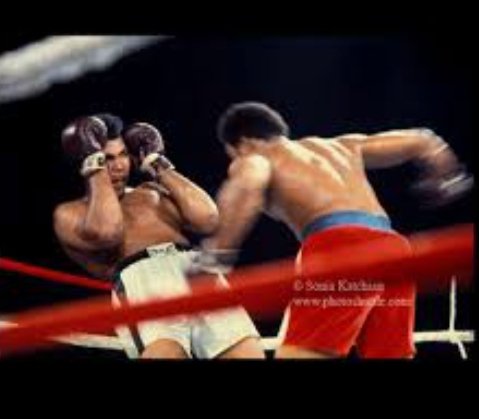
One of Mohammed Ali’s most famous fights in the ring was 1974’s Rumble In The Jungle. He spent most of that fight on the ropes defending himself against the onslaught of George Foreman’s punches. Ali managed to tire his opponent out (throwing punches continuously is extremely tiring) and counter this by building his own attacks. He knocked Foreman out in the 8th round. The term was called rope-a-dope.

Success isn’t always built by coming out of the blocks looking for the quick fix. It often takes calculated risks. Ali left his comfort zone. He didn’t want the heavyweight champion of the world throwing punch after punch on him whilst he was trapped on the ropes. It’s a risky tactic. But he knew that this was a technique to win the match in this particular battle.

And as I sit in my bedroom thinking of the punches that are coming my way, I know that I will need to roll with them. Sure, I’ll need to come out fighting at some point, but I also need to find a way of protecting myself until I align myself with the task in hand. It’s not my round 8 just yet.

Choosing between…

* worrying about unfinished jobs, crying over missed opportunities, procrastinating over deadlines, avoiding the mirror because the school holidays seem like a looooong time and my belly looks bigger and the ‘v’ frown on my forehead gets more prominent, or

* choosing your battles, when to attack, when to rest, planning your route, accepting the knocks and finding solutions.

Both are about leaving your comfort zone. But the latter, albeit daunting and uncomfortable, still gives you control. There’s no easy way in finding what you want. The one that at least puts you in the most amount of control must be the best way.

Ali was always in control during this fight, but Foreman didn’t know that. Foreman felt too comfortable. It would be his downfall.

I know that my desires and ambition shouldn’t be tethered. They should be allowed to run freely around in my head like a pool of ideas, creativity and inspiration. And so I need to leave my comfort zone and set them free, knowing that I must remain patient in truly finding the wins in some cases. Locking my future goals away entirely will only fester anger and frustration.

I need to start with my next assignment if I’m to follow my own advice. One punch at a time, Shay. One punch at a time. As long as I can withstand that, It’ll soon be my round 8.

As Easy As 1,2,3

Up and down the country parents are dealing with consoling their children who have just received their GCSE results today. There’s going to be some very happy households too. Many kids will have made their grades and will be able to put their plan A into place.

But for the kids that were like me at 16 it will feel like a lonely experience. Embarrassing too. Friends, cousins and jubilated kids on the news waving their bit of paper in the air all seemed to do better than me. I felt like a failure.

I even remember what I wore that day. It was my grunge stage at 16. Long hair, ripped jeans and an orange REM t-shirt from the Monster album. Grunge symbolised the anger, frustration and angst of those years. Listening to bands like Nirvana, Pearl Jam and Soundgarden became much more appealing than revising for exams.

I will never know how those exam results changed my life. Not really. I never felt like I wanted to go to University, so top grades never appealed to me anyway. The problem was that I didn’t know what I wanted to do at 16.

But what I do know now is that those results didn’t define me. I thought they did at the time. And it used to annoy me that If I were to fill out a job application form it would ask for my GCSE results. 27 years later, is my knowledge of GCSE algebra of any importance to any potential employer? My knowledge of algebra does not define me!

I didn’t know it then, but I learnt a great lesson that day. I learnt how to deal with disappointment. And not just the sort of disappointment you get when you open up the takeaway bag to find that they’ve missed out the salt and pepper spare ribs, as crushing as that is. No. The disappointment that you feel when you don’t even want to be on the planet anymore. You don’t know why you exist.

And looking back throughout my life I managed to discover lots of failures. I fail often. Only now, I absolutely love it!

Due to knowledge, experience, a good track record and plenty of recommendations I seemed to have stumbled into becoming a weight management specialist within my coaching. And I call it weight management because as much as the large percentage of people want to lose weight, I also work with those who need to gain weight. So specialising in weight loss wouldn’t do what I do any justice.

What I find is that many people go through the same emotions as I have. Not so much in them having the same experiences, but in how they feel about themselves after failure. Not hitting a weight target, not managing to complete an exercise routine or feeling like they’ve eaten too much or too little. Anxiety and resentment can take over.

But over time I’ve managed a lightbulb moment that has armed me with the most valuable tool. I now know that failure is not the opposite of success, it is a part of it. To succeed at anything, we must accept that we fail sometimes. That’s why I love it. Failure, to me now, is a milestone moment. If I know how it went wrong, tomorrow I will know how to put it right.

You will not have success every day, whatever your goals. It will hurt. I know it will. And the good news is that whatever your journey might be, it won’t be as bad as learning algebra.

Alternative Therapies

What do you think about the term ‘alternative therapy’?

So often during conversations about certain therapy that might be useful to a person’s physical or mental health it gets passed off as ‘hippie dippy’ (which is what crystal healing was called by a friend of mine). Other descriptions made to reference alternative therapies are bizaar, ridiculous and weird.

Perhaps some are. We live in an era where multi media can help sell any fad to any group of people or demographics and I have no doubt that many alternative therapies have been hijacked by the billion dollar business of the health and fitness industry. Indeed, if a celebrity brings out a book on maggot debridement therapy alarm bells start ringing to me.

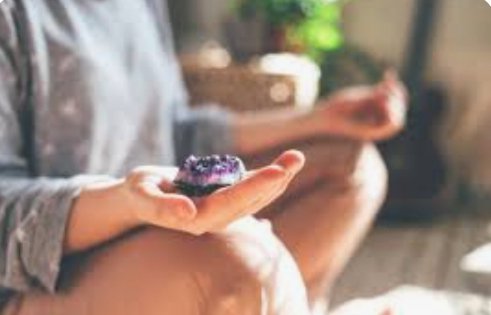
However, many helpful treatments classed as alternative therapies are things that are much older than conventional treatments. Yoga, for example, is traced back to Northern India some 5,000 years ago. Meditation is an ancient practice from 5000 BCE. The Chinese medical text Con-Fu of the Toa-Tse dates back to 1800 BC detailing the application of massage techniques for therapy. Crystal healing, thought to be ‘hippy dippy’ by a friend of mine, was first used 6000 years ago by the ancient Sumerians of Mesopotomia.

Conventional treatment cannot be ignored either, of course. I’m a science man myself. I like the research, experimentation and the practical study of our world. Without it I wouldn’t be able to be a Personal Trainer. I don’t just stumble across a number of movements and hope that they work for a client. I follow the evidence in what WILL work for whatever my client wishes to achieve.

But it is also important to be open minded and question things. And I question everything. I question why our health services are so quick to dispense anti depressants to us. According to the OECD Health Statistics, the USA and the UK have some of the highest numbers when it comes to their citizens taking anti depressants compared to other nations.

The pharmaceuticals industry is worth 1.42 trillion US dollars (statists.com). The antidepressant industry alone is worth 28.6 billion dollars. So I question why our health services would ever want to promote any type of alternative therapy when they earn so much from us popping pills.

And yet I still can’t discredit medicine. It is a fantastic invention that saves lives or can make lives easier to live. Choosing between conventional treatment or alternative therapy is the issue for me. It shouldn’t be a case of either/or.

Personally my last resort has always been turning to conventional medication. In my early 20’s I was prescribed antidepressants. I held the prescription in my hand as I stood outside the pharmacy, wondering if there was an alternative. Down the road to the pharmacy was a gym. I joined that instead.

But the gym didn’t completely cure my anxieties. They’re still there and, as I have discovered, it is just a part of my personality. The gym just helps me to think whilst producing endorphins, which happens to be the body’s very own natural happy drug. There’s me and science again! Any type of movement can produce it. Just do the movement that you enjoy and you’ll get your very own supply of endorphins!

I have never met a person who has not benefited from yoga. And I don’t mean the sort offered by most multi national gyms. You want fixing not breaking. I mean proper yoga taught by a yoga instructor in a yoga studio. I’ve never heard anybody feel worse from a massage treatment performed by my wife. Most people feel that, with consistent treatment, their body and mind feels much more relaxed. And I’ve never encountered a poor meditation. Sitting in silence with your own thoughts and feelings for a short time each day should be a priority to anybody, whatever ailments we have. What’s so weird about that?!

Alternative therapy should always be considered in our quest for peace, happiness, health and fitness. As much as modern day medicine is extremely important, grounding ourselves and opening up our therapeutic experiences in our lives should always be considered.

And if somebody scoffs at you for buying a yoga mat, invite them to do The Crow and enjoy the entertainment.

Fear

One of the biggest obstacles you will have to overcome in your quest for happiness is fear. You fear the past, you fear the future and no matter what state of mind you are currently in, you fear it. If you are happy you fear being too happy because you don’t want to be hurt or let down again. If you are unhappy you fear it because you’ve been here before and you’ve read the script. It cripples you.

Maybe you have to change the script. As the author, you can make edits.

“You are a ghost driving a meat covered skeleton made of stardust on a rock in the middle of space. Fear nothing.” Eric Mina.

It is your ego that makes you fearful. You don’t want to fail. You don’t want to be seen doing something wrong. You don’t want to die.

Yet you WILL do all of these things anyway. And when your ego holds you back, tell it to f@#k off. And if it’s another person holding you back, get them out of your life.

Then you will be fearless.

Everything that you want is on the other side of fear.

If you want success then go and get it. What would make you feel like a success? Take a moment to visualize what a successful you looks like.

If you want good health then go and get it. What would make you feel healthier than you do right now? Close your eyes and imagine what a healthier you would do.

Don’t let fear hold you back.

Don’t fear your next struggle. Some of the biggest struggles that we go through, we learn our biggest lessons. Think about your own personal life. Think about a particular struggle. Now think about how you turned it around. How did you do this? What did you learn? Who was there to help you? These are the questions you need to ask yourself often, because it is the answers to these questions that become your armour. You have faced fear before. You’ve suffered misfortune and you have had moments of despair. Yet here you are. Surviving.

So don’t fear what you have already conquered. The chances are you are stronger than you think you are.

I am a Fitness Coach, Personal Trainer, Meditation Teacher studying Cognitive Behavioural Therapy. I’m good at what I do because I deal with fear every day just like everybody else. Today I won. Tomorrow I’ll try to win again.

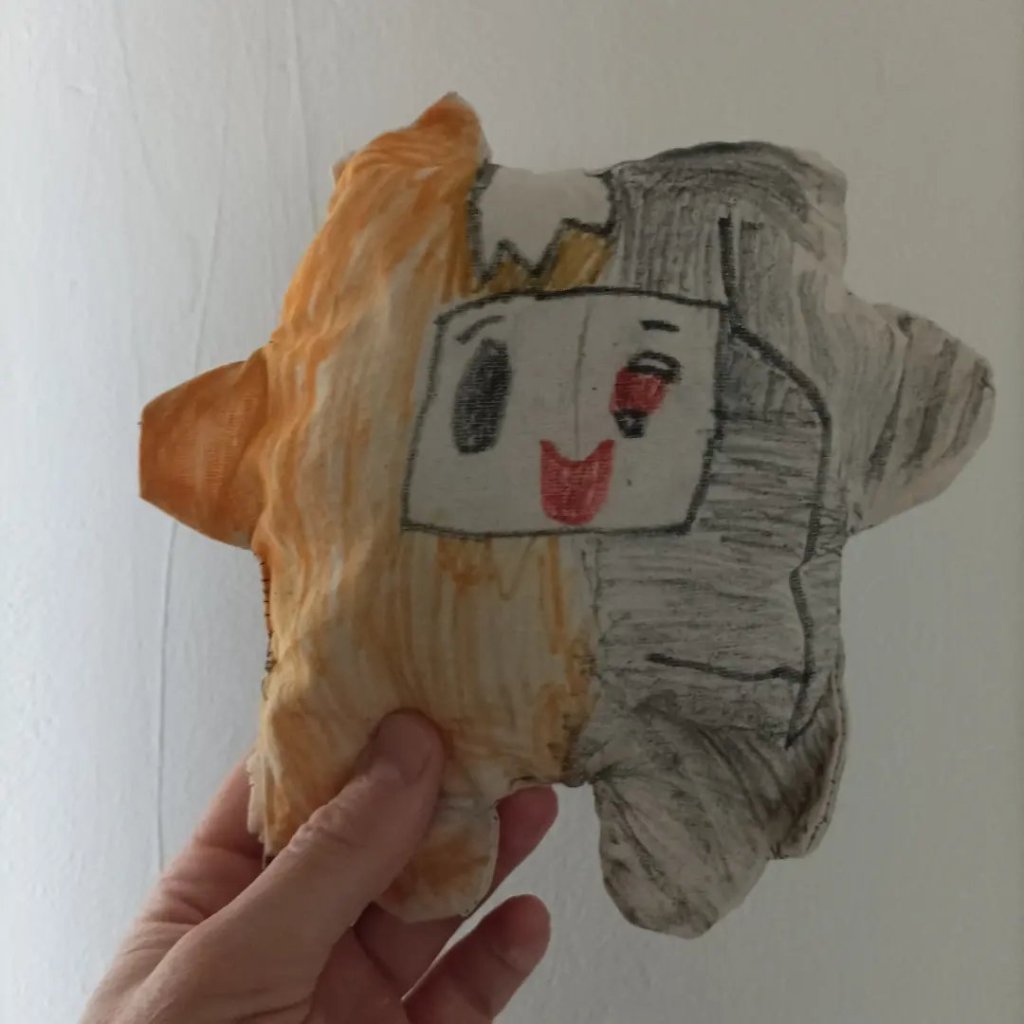
Cyborg Boxy

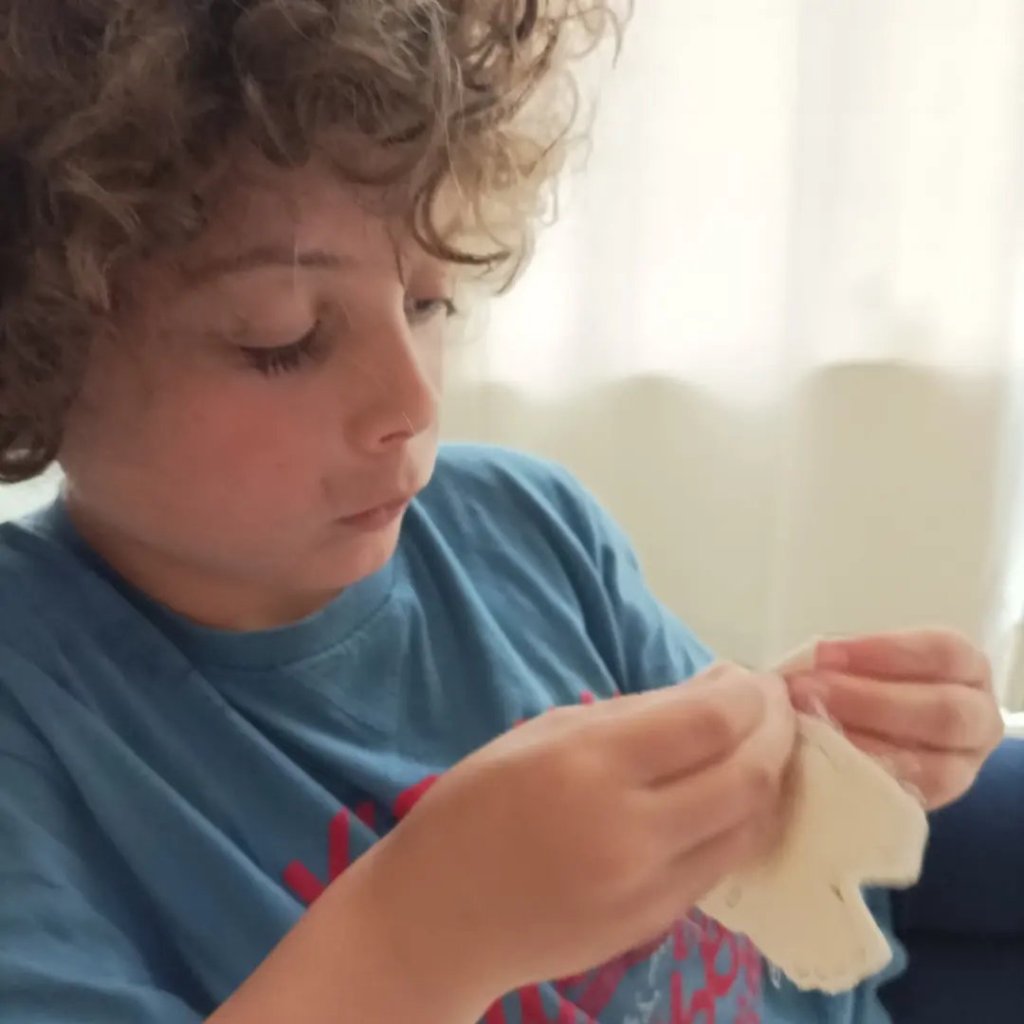
Before the summer holidays if somebody would have told me that my 8 and 6 year olds would have been using sharp fabric cutting scissors and needles to make plushie toys I would have laughed at them.

Firstly, I would’ve felt uneasy at allowing them to use such sharp scissors. Secondly, the lads imagining and creating anything other than a head shot on Fortnite or a rainbow flick with a football seemed quite ridiculous. But of course, that’s my influence. My wife has now shown them how to sew and they’re obsessed. And what a fantastic obsession to have!

I have written about my eldest developing nervous tics over the past couple of years which seem certain to be due to the pandemic and the lockdowns. Jonas is a sensitive lad who comes across as fairly confident with his big curly hair and bold football skills. And his younger brother Finlay, who likes to play the Joker, is equally as sensitive deep down. But people see the confident kid who likes to tell jokes or give a fist pump to the camera as they score a goal. Take away the clown mask and it can be a different story. I know. I was that kid too.

Kids have stuff going on in their heads that we can’t comprehend. They’ve been growing up locked in their homes, not been able to see friends at school or to have any other human contact outside of their immediate family and listening to daily death tolls in the news as their parents left the house in face masks. How many kids will have been thinking “Will my mum and dad be next. Are we going to die?”

Jonas and Finlay have found comfort in creative therapy. Having a focus is important. I’m very happy that they’ve found this skill. I never did. Creative therapy is not really my ‘thing’. But I do have other ways to find my therapy. As a PT it’ll be no surprise to you that training is of great comfort to me. That has been my thing throughout my adulthood. And more recently I’ve found that meditation and using Tibetan singing bowls is extremely soothing. I never really had myself down as a singing bowl type of person. But then, what is a singing bowl type of person? Do we need to pigeon hole ourselves and stay in our box to suit anybody else’s views and opinions?

The truth is that nobody knows what their therapy is until they give it a go. It might be drawing or colouring in, going for walks or joining a fitness class. It might be sewing and creating or it could be meditating. There could be something that you have never ever tried before that gives you a real grounding to your life.

A good PT will help change your body. A great PT will change your life. If I want to be great at what I do then I can’t just bark orders on how many reps a trainee should do each week. Even a keen trainee would only spend one hour a day doing formal exercise. But what of the other 23 hours of the day? What about nutrition, sleep and mental health? That is where the true results happen.

And if my kids can find their therapy I’m quite sure that everyone else can make their very own Cyborg Boxy too. We’ve just got to have a go and find it.

I’ve Got Piles

I’ve got piles, they’re multiplying and I’m losing control.

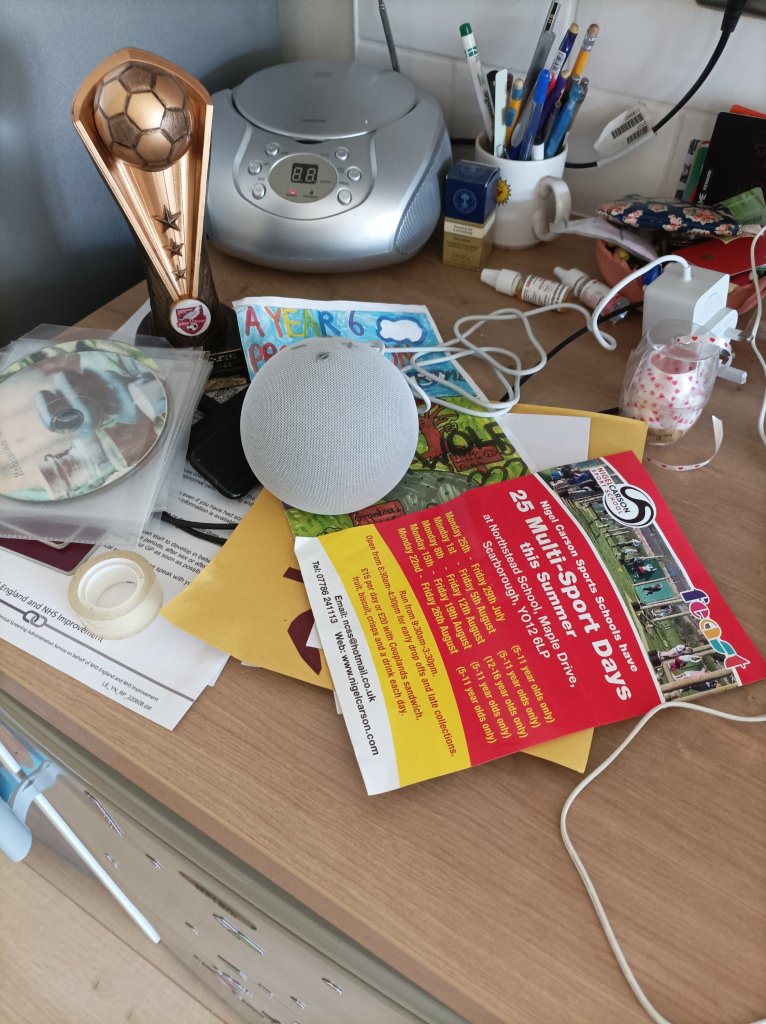
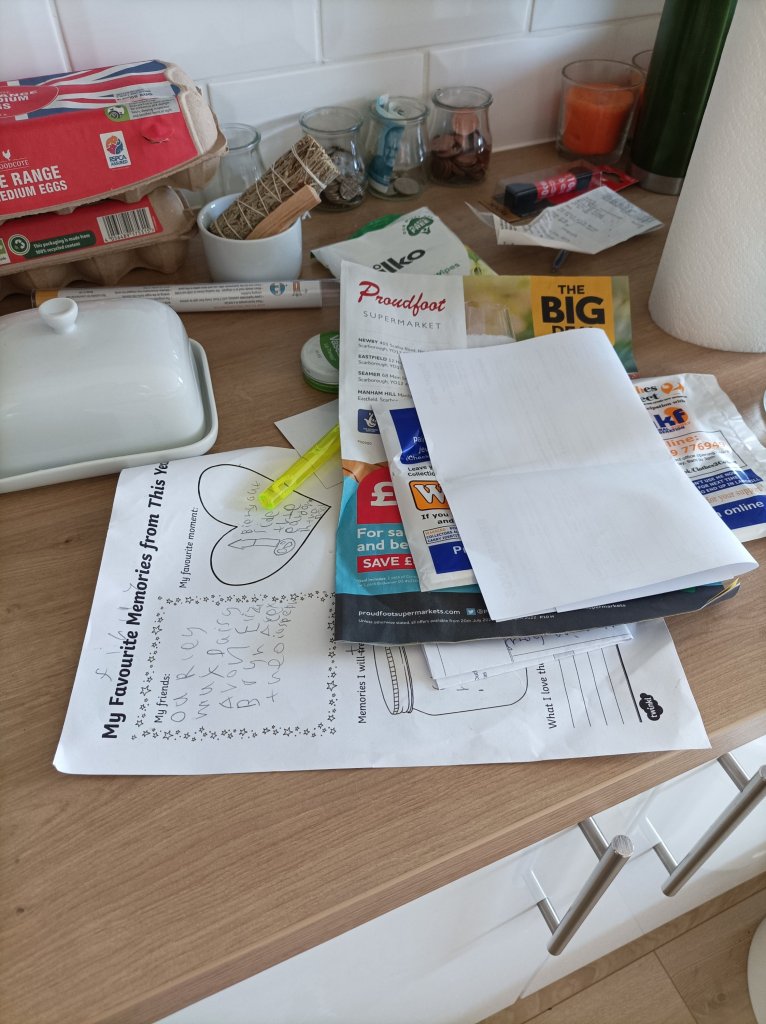
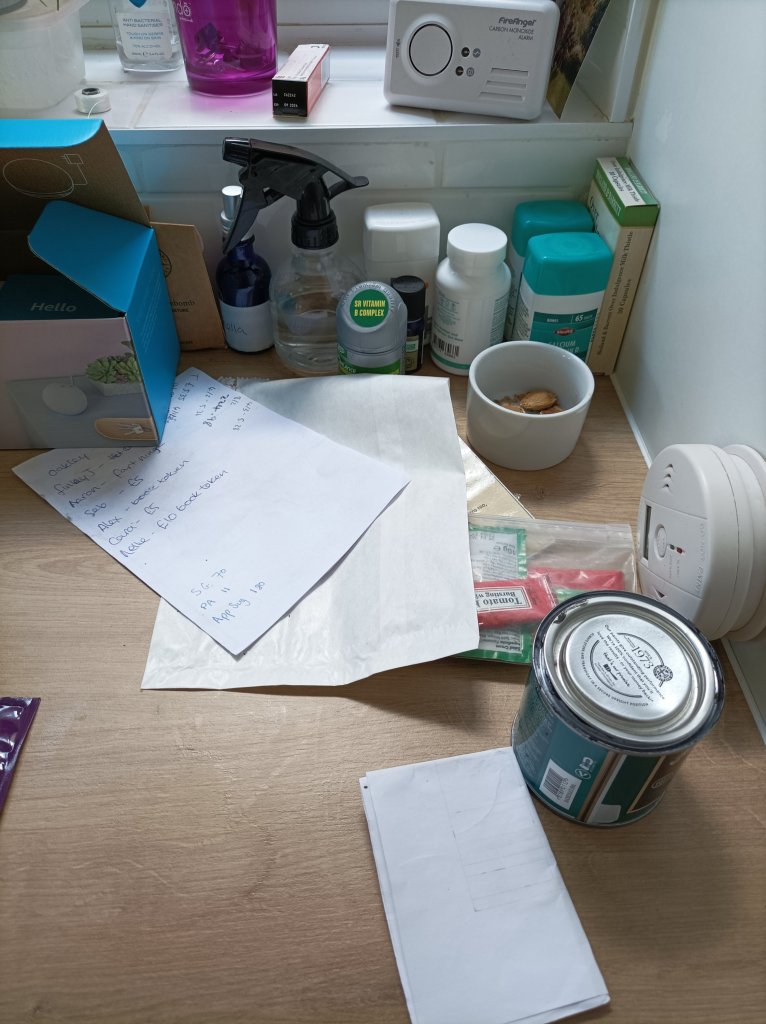
Piles of drawings done by the kids, bills, receipts, instruction leaflets, takeaway menus and just about anything that can recreate some odd paper game of Jenga seem to appear around the house every now and again. As I went round the house doing a tidy up this morning I noticed these piles laughing at me.

“Whatcha gonna do about it?!” They mocked. I had no answer. Each item in the pile needs some sort of attention and probably when I get a moment to actually sit down to sort through them, I will find that most of it is fit for the bin or recycling. But the six week school holidays have just hit. Sorting through this needs time and organisation. It needs me to actually set aside some time and put these things in their proper place, if at all they have or deserve one.

We have a bill drawer. Drawings from the boys either get put in their personal keep sake files or culled after a while. Takeaway menus usually get thrown away, not because I don’t order from them, but I already have my favourite. Nobody does chilli sauce like Kammy. Best Kebab on Low Street can do one. Receipts? How long do I need to keep a receipt from Aldi for a pack of 3 mixed peppers and a green top milk?!! Why is it in my life?!!!

Of course, these piles are often a reflection of where my head is at. A jumble. And when I start to delve further through the clutter it poses more questions than answers and I haven’t got a moment to deal with it properly just yet. I try. But within a couple of minutes I hear a squabble start about whether Mr Bean or Paddington should go on the TV. So the pile gets left a little longer. But, sometimes, it only takes that next bit of paper to make the whole thing topple over. It needs to be dealt with before it does.

But I’ll tackle this in my usual way. I’ll sort each bit out methodically. First of all will be my kids drawings. That isn’t a chore at all. In fact it’ll make me smile. Half of them will get put on the fridge door. So I’d better shape up, cos I need a plan. And their art is put on view….

Why I Had To Become A Meditation Tutor

Maybe I was meditating as a kid when I didn’t even realise what it was. Did you ever get a telling off from your teacher for gazing out of the class window instead of paying attention to the lesson? Perhaps, in some way, me drifting away from the noise and busyness of the class room during mathematics to focus on cloud formations was my first experience with meditation.

To meditate, you don’t need to sit a certain way or to think about anything in particular. You don’t need to be spiritual and you don’t need to repeat ‘ommm’ if you don’t want to. Adults tell children to stop day dreaming, but maybe that is just their brains trying to get a time out. I think we all need to day dream a little bit.

My practical exam was to guide my wife’s meditation

My first official experience with meditation was about 7 years ago. My wife had postnatal depression after giving birth to our second child and her doctor prescribed medication. But this wasn’t a route that she wanted to take. There must be an alternative to tablets.

We got in touch with a local meditation tutor who did guides on a 1-1 basis. My wife started to attend the meditation guides for one hour a week. She also began practicing on her own and this is when I would join her. This later led me to attending guided meditation too. I was hooked.

The misconception of meditation is that it is an opportunity to clear your head. Yet it is quite the opposite. You fill it will good stuff. Positive thoughts, visualization of a particular journey or of your dreams, ambitions and goals. It is true it is a chance to declutter your head, but it will be replaced with something much more worthy of your thoughts.

As I gazed out of the class room window looking at the clouds as a kid, I was creating shapes with these clouds of me scoring a goal or getting a hug from my mum. Wouldn’t anybody, at any age, want to have a moment of a much more innocent time? That didn’t seem like a waste of time to me then and it doesn’t seem like a waste of time to me now.

We all have goals that we want to achieve in life, but to get through the difficult moments or the sticky patches how are we to actually get them? Do we ever stop to think about a pathway to achieving them? As I say, that’s not to say that you have to sit and chant or be a Buddhist to do it. Having 10 minutes to focus on your breathing and taking charge of your energy each day should be a minimum requirement in achieving your goals.

If I am to assist my Personal Training clients in getting their goals then a part of that process must be for me to enable them to accept themselves as who they currently are. There are lots of ways to do this but by far the easiest way to self discovery is through meditation. That is why I felt so strongly about becoming a meditation tutor. How can we tell the body what to do if our minds are constantly on high alert?

So maybe you should be gazing into space sometimes and having a little daydream. Put the breaks on. Take a few deep breaths. Ground yourself. That maths equation will still be there when you have finished but it might be a bit easier to solve.