We are told that the more experienced we are in our muscle hypertrophy journey, the harder it becomes to create more growth. My own experience can confirm that the science seems annoyingly accurate on this. But it’s not impossible. In fact if you just take a step back and take a look at your own current workouts it’s probably very fixable.
The more advanced we get, the more we tend to add to our workouts. But this takes up more time and before you know it your head is spinning with a myriad of techniques and workouts from YouTube to start stimulating your sluggish muscle growth. And in trying to fit all of this new routine into your sessions you forget about what got you where you currently are in the first place. Sometimes less is more, so let’s get back to basics.
Sure, adding supersets or drop sets to promote stress to the muscle is a good idea, but what you include in your sets (supers or drops) will be an important factor.
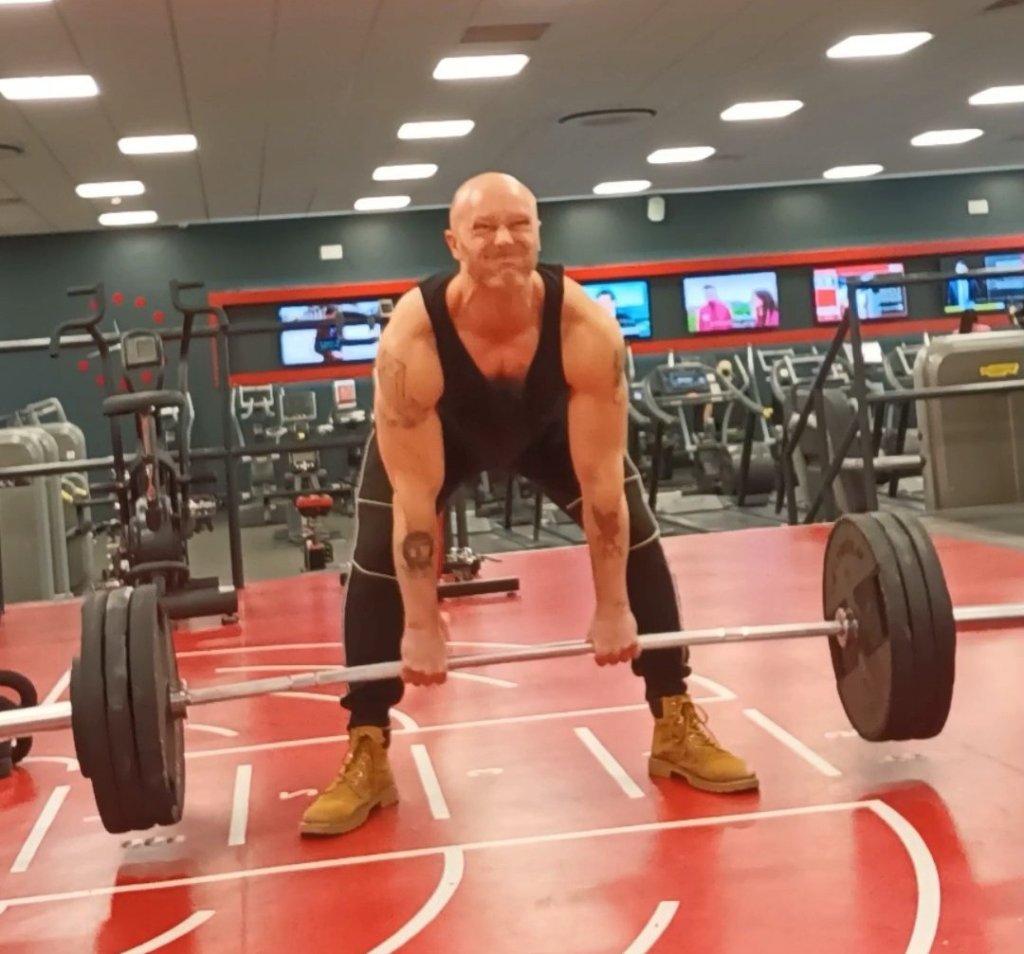
I often see traditional compound lifts such as bench press, barbell rows, deadlifts, squats and lunges left behind for more ‘adventurous’ workouts. The problem with this is that the traditional compound exercises are your bread and butter muscle building moves that haven’t been perfected yet.
From close grip bench press, pendlay rows, jump squats, resistance band deadlifts, deficits and animal flow, they can all contribute to your workouts but also you need to stay grounded. Never ditch the traditional lift that the alternative bases itself on.
We can become bogged down with alternative methods and, rather than use them to accompany your routine, they begin to take over. But muscles like consistency. They need to grow into each technique. And perhaps we begin to think that we have outgrown the bench press and the muscle needs a different stimulus, but the muscle still needs to keep learning for it to truly adapt. Chopping and changing a routine just because we see a cool technique from another gym goer or a YouTube guru won’t benefit us unless we stick to our principals.
Regain your passion for a 1 rep max on your bench. Aim to add a little bit more weight over time. Increase the reps. Decrease rest periods. Do what works first and then have a play with alternative methods. Get back to basics.
A question I get asked lots of times is whether we actually need three square meals or not. And then the convo often goes into what those meals should consist of for weight loss.
There is no one set answer to this question, of course. There never is! And that can be frustrating when you have goals set around your weight and your eating habits. You want answers. You need help.
Before writing, I researched a number of respectable websites that gave advice on meals and mealtimes and they all had different approaches based on some study or other. They all have good intentions and they’re all correct in their own ways, but they all admit the same things in their summary…it all depends on each individual.
Hire A Professional
So I would always advise you to talk to a professional about your goals as a first stop. A good nutritionist or personal trainer will want to know your lifestyle and habits. From there they can work with you in your weight goals. But beware of quacks. A charlatan will write you a meal plan without getting to know you. Basically, it’s a copy and paste job. They’ll do the same meal plan for every poor sod that comes to them for help. And the alarm bells should start ringing if their idea of a meal plan is written on a piece of A4. It’s not professional and it might as well be scribbled on the back of a fag packet. Same with a workout program.
Why Three Square Meals?
Now, I haven’t got the studies of the University of Ohio or Murcia, but I do have ten years of successfully guiding people to healthier eating habits behind me. And I have found that the three square meals a day tradition isn’t necessarily the best way. Indeed, the very term ‘square meal’ has had etymologists in a frenzy for years. Some argue that it derives from nautical origins of sailors using square plates, filling their plate with wholesome food to give them energy such as stews. But others would argue that it comes from American mining of the 18th century, which means something that was made with exact right angles was properly constructed. Fair and square. Proper, honest and straightforward. A square meal.
But I would argue that our eating habits have changed over the centuries. This term to describe our eating habits is from a time where food wasn’t as abundant. Communities were poor where food rationing would have been usual practice and limiting meal portions on sea voyages would have been sensible. We don’t have these same issues now. Food is cheap, accessible, flown from far and wide to our plate, farmed, tinned and packaged for longevity. Food is brought to our attention through advertising on screens and billboards, newspapers and the internet. So we don’t need to know when to eat our three square meals anymore. It’s a stress that we can take out of the emotions of our eating. If we miss a meal, food is never too far away before we get another opportunity.
Let’s take breakfast time, for example. This was promoted as the most important meal of the day. A promotion led by none other than Mr Kelloggs in the 19th century. He happened to have just invented a breakfast cereal. So, is breakfast the most important meal of the day? And if so, is cereal the best choice of meal?
In my opinion, the answer is no and no. If you are not hungry, then why would breakfast, or any meal, be of any benefit at that time? And Bananas, yoghurt, eggs, nuts, seeds, smoothies are all better breakfast choices than cereal anyway. Eating something high in protein will keep you fuller for longer instead of getting those elevenses hunger pangs. This is what you need to keep in mind in whatever meal you prepare at any time of day. Do you have sufficient protein on your plate to keep you full?
Take Back Control
Our lifestyle of today doesn’t reflect what was expected of us in a time gone by. Our shift patterns have changed, more of us work now rather than expecting mum to stay at home with the kids and we work for longer hours and for longer into our older age than before. We shouldn’t feel obliged to stick to an eating pattern that is outdated in modern day living. But because we do feel obliged to eat at certain times we become anxious around our eating habits. And this anxiety leads to poor choices.
And WHAT we eat is far more important than when we eat it.
Choosing snacks or meals when you are anxious rarely turns out well. We look for comfort. Food anxieties are one of the biggest problems when it comes to weight management. We rarely feel in control of our mealtimes or our meal choices.
For example, our employer will set our break and lunch times. We are often restricted in time and where we eat. Many work based cafeterias will have vending machines with poor nutritional value options and if we work on an industrial site a burger van will park outside and waft it’s greasy burgers right into your work place vents. Even the gym where I train has a vending machine offering chocolate and crisps on the way out. If you pop to the supermarket for your lunch you are met with meal deals that are, quite frankly, pitiful.
To help yourself in taking control of your situation you need to plan and prepare. Plan your meals in advance. Batch cook soups, sauces, chilli, lasagne, stews and cottage pie. Request a microwave in your staff room if you haven’t currently got one. If you prefer sandwiches then prepare them the night before and buy items like yoghurt and fruit to accompany a packed lunch. Make a fruit and veg smoothie and decant it into a large sports bottle to keep drinking throughout the day.
There are ways in which you can take back control and cut out the anxiety of what your next meal will be. To succeed, knowing what your next meal will be through planning will create a positive mindset.
And the great thing about planning is that you no longer need to worry about three square meals. In fact you could eat five nutritious smaller meals that fit with your calorie goals and find that you are on the right track both physically and emotionally.
Society shouldn’t tell you how to eat. You should. Take back control and own it.
I’m currently around 6 weeks away from beginning a new program. One which will see me add weight to the bar for shorter reps. Oh, and I’ll be eating in a slight calorie surplus again. Yesssss!
I’ve been keeping the reps high and the weights at around 50% of my 1 rep max since the ending of March which is a good time to be in a slight caloric deficit. This ensures that I look trim in my summer clothes without feeling heavy or bulky.
However, as winter kicks in I want some extra fat to keep me warm and, let’s face it, there’s no need to be going outside in shorts and a T in the UK winter so this is my usual ‘bulk’ season. It’s where I work on my strength and conditioning, put on a bit more size but expect that size to hit my belly too!
But this is still a few weeks away and, to be honest, repping out the low weights has become a little tedious. My body isn’t feeling the challenge and my mind is thinking about my pesto pasta for dinner during lat raises. I sense a plateau.
There are a number of ways to beat a plateau. The worst one is to quit your program and go straight into your next one or, even worse, quitting training altogether! And I have seen plateaus have this effect before. A trainee can become disillusioned by their progress stalling. They become bored. They give up.
Yet switching a program because of a plateau is also a form of giving up. To get the results you want, the process must be followed and completed. This will test your muscle, your mind and your attitude towards your goals. It’s character building. It’s satisfying. It works, as long as you know how.
Enter the mechanical deload.
There are several variations to a mechanical deload, but my current method to beat my plateau is to complete a triset (3 exercises in one set) or a quadraset (4 exercises in one set) which use the same muscle groups for each exercise. Here’s a step by step guide…
1. Choose a muscle group you would like to train.
2. Choose three exercises that use the same muscle group but which have varying levels of difficulty.
3. Choose a moderate weight for each exercise.
4. Begin with the most difficult exercise and rep for 12-15. Then go straight into the easier exercise for 12-15 and finish on the easiest for 12-15.
5. Then reflect on how you thought it would be fairly straightforward but seeing as you’re shaking like a shitting dog and have another 4 sets to go, you know this will break your plateau!
Today I incorporated a chest mechanical deload into a full body workout. Here’s what I did…
Barbell bench press 50% 1rm, 10 reps
Dumbbell bench press 50% 1rm, 10 reps
Smith press 45° bench 50% 1rm, 10 reps
Press up, 10 reps
And because a push workout is great for working the triceps I also added kickbacks, 10 reps, 5 sets in total.
Now, we know that DOMS (delayed onset of muscle soreness) doesn’t necessarily mean muscle gain or a superior workout, but my pecs and triceps are satisfyingly throbbing. Something that I haven’t experienced for around ten days. My plateau, due to experiencing a new kind of stress but remaining within my set task of high reps at moderate weight, seems to have disappeared. I can now utilise this routine for my back, shoulders, legs and arms for the remainder of my program.
A tweak in your program can help you overcome a plateau. Maybe that tweak is a mechanical deload for yourself when you need it.
“Speak to your children as if they are the wisest, kindest most beautiful and magical humans on Earth. For what they believe, they will become.”
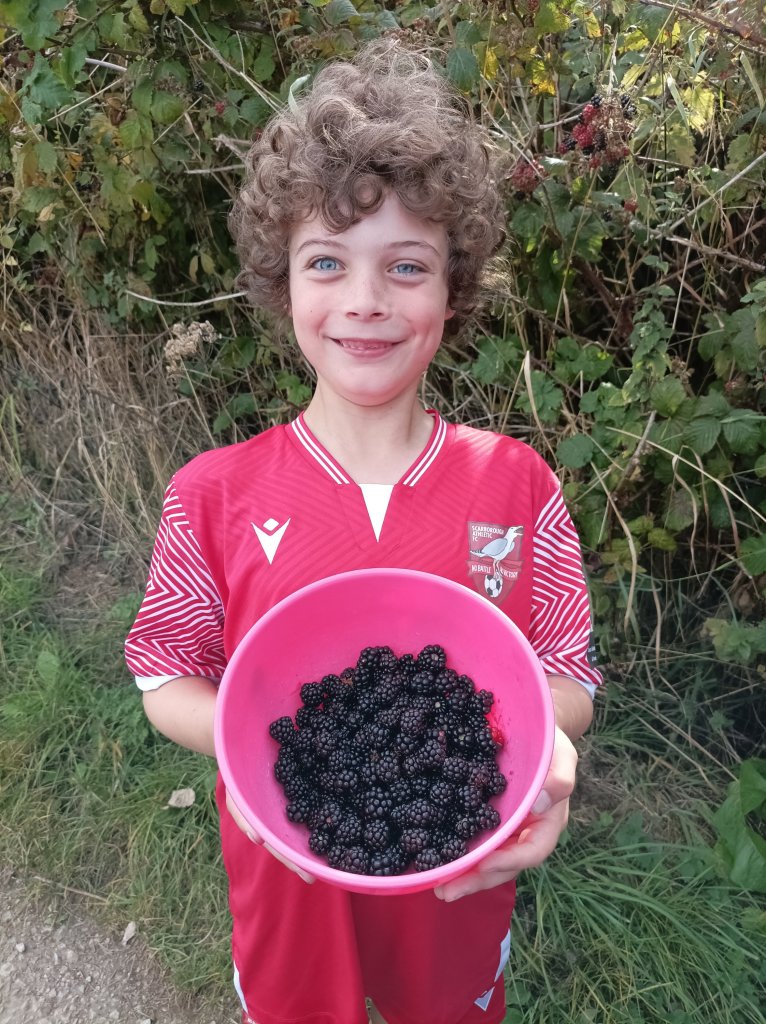
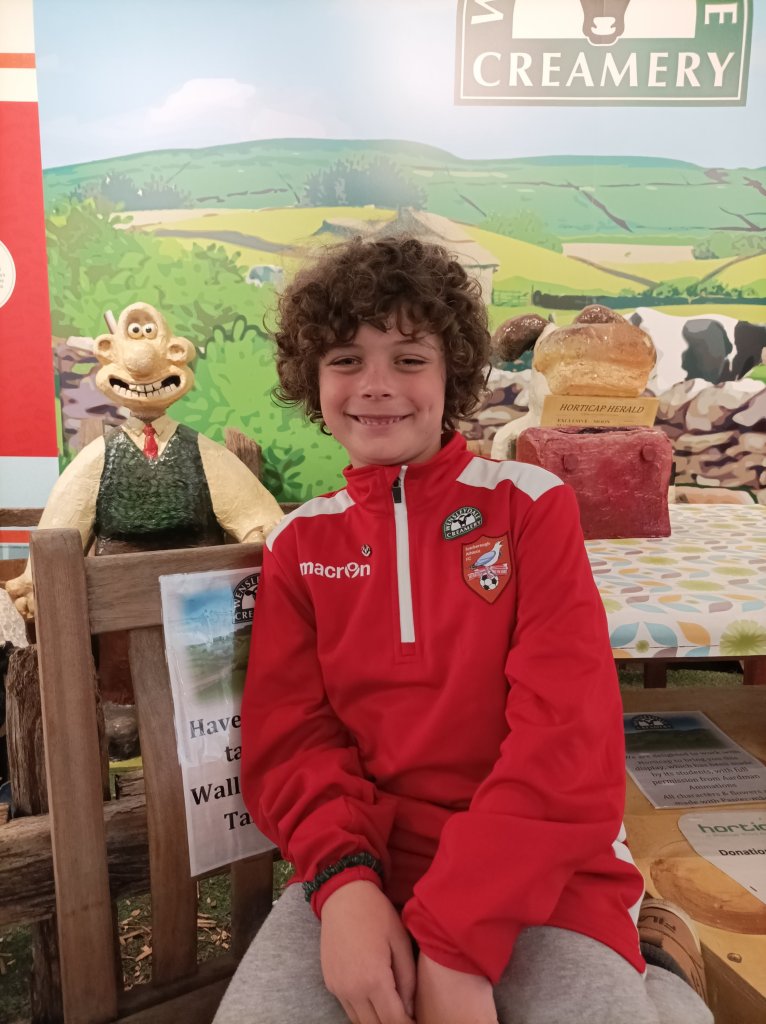
Jonas is an 8 year old boy. He lives with his younger brother Finlay, who is 6, and mum and dad. He lives in a house with a garden so he can play football, which he does often, and he has his own bedroom. His mum and dad work and have their own businesses, which can give them a little bit of freedom regarding setting their appointments around spending time as a family. It is considered a safe and loving environment.
Jonas is a quiet, timid boy. Yet this is perhaps not always recognized by adults that meet him for the first time. His smiley face and big curly hair can give the impression of a confident child. Plus, as a talented footballer, he can play with quite a swagger. It is easy to think of him as a relaxed, calm little boy.
For as long as his parents can remember, Jonas has always shown empathy to others. This can lead him to worry or to become concerned over matters out of his control. Since learning about events in the Bible, he gets very upset for Jesus at Easter time. And he won’t watch Home Alone at Christmas as he gets fearful of the bad men attacking the little boy. This has been a cause for poor nights sleep at times.
And then, just a few months after he turned six, Covid happened. The lockdowns turned this little boy’s world upside down. For the natural worrier, this event was a major setback. His parents too, like so many people, had to find ways to overcome this crisis that had never been encountered before. Unable to work, bills still arriving, concerned for elderly loved ones and with two children unable to see their friends, Jonas’ parents had to dig deep within their resources. They were, however, determined to keep some amount of stability in the most uncertain of times. As a family they would do the Joe Wicks morning workouts, watch BBC Bytesize to help with their children’s schoolwork and go for regular local walks.
But Jonas stopped responding to these daily tasks. He would take himself away for hours at a time to watch TV on his own. He wouldn’t talk about his feelings. A walk was met with a groan and even playing football in the garden rarely happened. His brother, Finlay, also became less motivated but, perhaps because of his younger age, he didn’t understand the magnitude of what he was living through. Jonas did. He overheard many times about ‘death counts’ on the news. Something that his parents would try to hide or mute, but being in the house together for months at a time it wasn’t always easy to keep the news and the daily updates and announcements away from listening ears. And as the laws kept changing in regards to bubbles and the like, his parents had to keep on top of the latest developments.
Eventually, Jonas developed a number of ticks that he couldn’t control. The one with the most impact was a throat clearing tick. He struggled to complete sentences due to his need to clear his throat and his sleep suffered further. This continued when he went back to school and his parents informed his teachers. Jonas’school has been amazing in dealing with the children’s anxieties. His parents are thankful for the school’s ongoing support. Jonas’ ticks still exist, but take on many different forms. His latest one, which is to smell his hand, is less intrusive to him and his classmates.
As has been outlined, Jonas is a very clever and thoughtful boy. He is very aware of his surroundings and the world in which he lives. Since the last lockdown, world events such as the trouble in Afghanistan and the problems in the Ukraine are concerning to him. He has welcomed lots of refugee children and he and his brother also volunteered at a Christian charity to sort out clothes for them. But these unsettling events have led to Jonas believing that any aircraft flying overhead might be going to war or are here to drop bombs. Armed forces day was a particularly tough day for him.
But his parents have always offered reassurance and allow Jonas to express his concerns. His parents are both in the health and wellbeing industry and understand the importance of talking about how we feel. Recently, they introduced meditation to their children. This seems to be a very successful tool for Jonas. Now, almost every night, Jonas requests a meditation guide before going to sleep. His parents have observed that his sleep has never been so good and he can now relax much easier throughout the day.
Jonas remains a little distant from his friends. He didn’t want to do Zoom calls during lockdowns, for example, and perhaps while his friends were still building on their relationships through staying in touch in this way, Jonas might have lost some ground in this area of development. He does seem, however, to be a well liked boy and doesn’t appear to have issues with any other child.
Jonas’ appetite for meditation comes from the empowering nature of the process. During his guided visualizations he has travelled on a cloud, rode on the back of a giant white bird, went to the moon on a space ship and played at the play park with his favourite teddies. Which child wouldn’t want to imagine these lovely thoughts? This process puts them as the central character of this wonderful story that they can develop themselves. They are in control and in a world where some of our children might feel that they have no control, or might feel sad or have worries, empowering them when we can might play a significantly positive part in their mental health, their character development and in their learning as it is for Jonas.
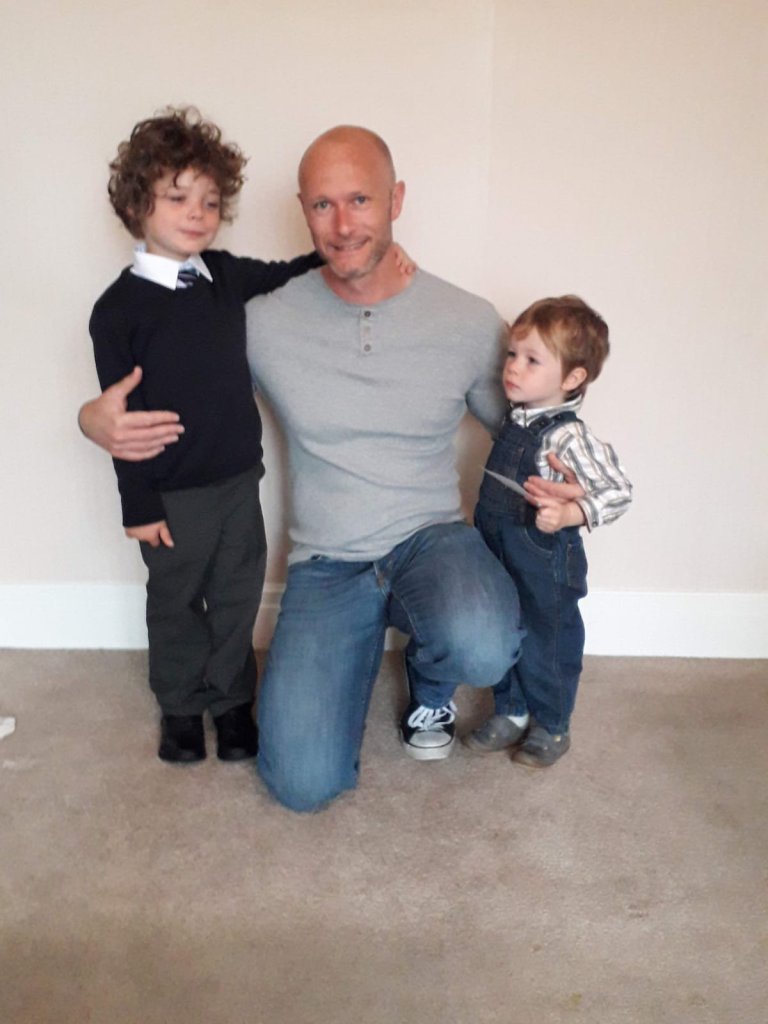
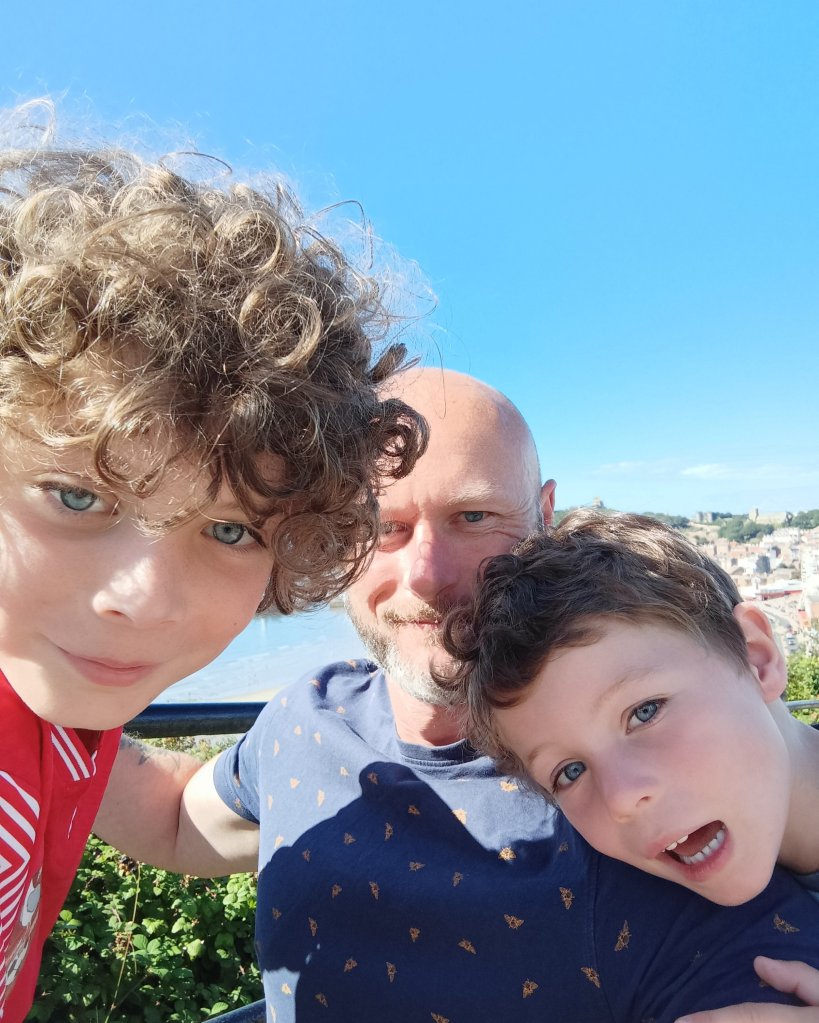
For those of you who are unaware, Jonas is my son. Jonas and Finlay are the most beautiful boys who are two well behaved children. Yes, they bicker, they don’t always tidy up after themselves, they don’t always follow instructions and they do all of the naughty things that you’d expect from 6 and 8 year olds. But they have good hearts and are very kind people.
Now is the time to start recognising our children’s needs. Sometimes we might just need to listen to them. Perhaps they just need a kind word of encouragement. But most of all we must provide a safe place, a sanctuary, in which they are able to open up and allow them to explore their feelings and emotions without them simmering deep inside. As with adults, blocking our emotions can be damaging. Imagine what a child goes through without their maturity to deal with perspective or a clear thought process to channel their feelings.
All of our children deserve to be given every opportunity to be happy. To live without constant fear. To have a safe environment in which to develop and learn. Jonas comes from a safe and stable home, but many children don’t. If we can give them just a small piece of tranquility, shouldn’t we do it?
There are certain industries that require us to dislike who we are, how we look, what we fear and dislike each other by being judgemental.
Working in the fitness industry I know only too well the secrets and the subliminal messages that advertisers and the media put together to make us feel inadequate.
I’m determined to break the mould with how I approach your health and your wellbeing.
Start now. Right now. With giving yourself a great big hug and telling yourself how amazing you are. Wanting change isn’t a bad thing, but you’ve got this in your own time with the right support around you.
Then tell somebody how fantastic they look. Comment on their hair, their clothes, compliment somebody at work for doing a great job, and don’t feel silly about making someone’s day in the gym by telling them how well they’re doing with their goals.
Empower others, but make sure you’re empowering yourself too.
Our two boys, aged 6 and 8, like so many other children will have been affected in some way or another by the impact of the past few years.
As much as we try to limit what the news channels and breaking news stories tell us in front of our children, they catch on very quickly to what is going on around them in their world.
Children should know what’s happening, of course, but perhaps it is best for my wife and I to discuss events with them rather than the more detailed accounts of the headline news.
Our eldest, Jonas, particularly gets anxious about world events. We have found, just like for many adults, that meditation works for him. For the past week he has specifically asked for a meditation before going to sleep.
Here’s an example of a ten minute meditation for children…
Get comfortable, settle and relax your mind. When you are ready you can close your eyes.
Pause
Now notice your breathing. Breathe in deeply….and slowly release your breath. Again, breathe in deeply…and release. Notice your tummy rise as you breathe in and your tummy go down as you exhale.
Pause
Now imagine your most favourite place. This could be somewhere that you know well, or somewhere that you have visited, or it could be somewhere that you haven’t yet been to. This is your special place. It keeps you warm, relaxed, happy and at peace. Take a moment to see, smell and listen to your surroundings. Think about all that is around you.
Pause
Now you see a comforting bright light shining from above. You walk towards it knowing it’s positivity that it brings. You step into the light. The strength, calmness, joy and peace shine into your body and into your heart. Everything that the light has to offer is now a part of you. Notice how good this feels asthe light continues to share its love.
Pause
Soon you will have to leave this special place, but you are comforted in knowing that you take its special powers with you. You will keep this all through the night and into tomorrow. You are safe.
Pause
Now I will count down from 5 to 1 and you will be ready to have a very peaceful sleep.
It is an acronym for the phrase ‘as many rounds as possible.’
Let me explain. AMRAP is a technique which enables the trainee to rep as many times in a set time frame. This could be typically done as a circuit, for example, and there are no rules to what equipment to use, how long or how many exercises.
This technique allows those who find themselves short on time to still manage a quick workout. Even 5 minutes can get the blood pumping and body weight is absolutely fine. In fact, the break for adverts during Coranation Street can see you rack up over 100 reps.
My point here is that I will never accept that you don’t have the time to exercise. Perhaps you didn’t know it or you just couldn’t be bothered and work, kids, cooking meals, feeling tired or clearing out the guinea pig hutch took all of your time up.
But AMRAP has news for you. You DO have time to train. Let’s use my example of Coranation Street as an example…
Coranation Street is an hour long. It has four ad breaks lasting 3 minutes. Imagine completing an AMRAP every break? So your task would be to work continuously for three minutes each time. In just one episode you have 12 intense minutes of exercise.
Coranation Street is on three times a week. That’s 36 minutes of time you didn’t know that you had to exercise. 36 minutes doesn’t seem like a lot but I observe people who are in the gym for one hour but only actually exercise for half of that time. If my estimation of a 100 reps each ad break is accurate, that’s almost a 1000 reps a week.
No amount of time is pointless as long as you do it right. There are many ways to complete an AMRAP. Squats during the kettle boiling, press ups during the Countdown clock or Burpees waiting for a bus. Whatever floats your boat!
Something changed when I stopped listening to the generic body building and weight loss sites and I reassessed my own fitness goals. I took charge of what I had to do. This led me to becoming a PT and helping others. I became in control. I became the lion. And I teach others to be the lion too.
It is said that “until the lion learns how to write, every story will praise the hunter.”
I used to follow a narrative led by muscle magazines, gym bro websites, diet books and all of the other mediums that generate billions of dollars from selling their latest trend.
For most of my adult life going to the gym was about ‘lift big or go home’. That’s what I was told. I had to eat chicken and broccoli every day. It’s what the experts told me. I got it so wrong.
I beat myself up daily just to try and lift heavier than some guy who I didn’t even know.
But then I discovered a better way. I could still get results and train without causing injury and anxiety. I realised my ‘why’. And I didn’t find it on YouTube.
Sure, I wanted to be happy and confident with my body but I needed to know how to love myself in the present moment and not just focus on loving what I wanted to be. I began to imagine the future me. What would the future me thank the present me for? I started to do my homework. To save my physical and mental health it became so important to me that I acquired so much knowledge on the matter that I qualified as a PT and successfully made a business out of helping others pretty quickly.
I became the lion. And this lion learnt how to write his own narrative.
I now recognise that training is how I have energy for my kids. It is what keeps me focussed in my marriage and in my work commitments. It is giving me a chance to have a better quality of life. I like myself at last.
I don’t punish myself for not making it to the gym every day. If I can’t get there then a walk with my family is a great way to exercise and surround myself in nature with the people I love.
I don’t regret eating something that is ‘bad for me’ because I enjoyed it at the time and I can have an occasional snack. I enjoy life without living in fear of ‘losing muscle’ or gaining weight. I am free of fads and confusing information.
Just a short message for you today for us to have a little think about our health and wellbeing.
First of all it is important to note that beginning a fitness journey is never too late. Also, finding happiness and peace in your life can be discovered at any age. But searching for it is important and necessary. Very rarely will something fall at your feet.
I’ll use my profession as an example. Just in the space of a few weeks of attending a wedding, a few BBQ’s and kids events with my two boys, as soon as somebody knows that I’m a Personal Trainer I often get comments such as ‘I could do with losing a few pounds’ as they tap on their belly. Or on a couple of occasions I’ve had people say ‘I need to start going to the gym again’.
Of course, you might think that is my cue to sell them PT sessions or a fitness program. And I have often replied ‘well, you know where I am!’ But a social event is not the appropriate place to sell my services. A PT can clear a room when they start handing out business cards.
We often complain about our physique or our mindset without doing anything about it. I meet some acquaintances who I see very irregularly who complain every time about their weight or their injuries every time i see them. And, yes, there have been times where I have offered to help. I’m still waiting for their reply.
And yet with each day, week and year we age. With age comes more challenges in regards to our health. If we don’t feel ready for the battle today, how will we cope with tomorrow?
My clients understand that I’m not going to get them a quick fix. They will progress with me on the journey that it should be. This will help them in later life. I don’t promise a longer life, but I can give a pretty confident argument for living a better quality of life by making simple adjustments to their lifestyle.
Two reasons right here on why I need to keep working for a healthy future.
As the Chinese proverb goes…
Dig the well before you are thirsty.
Be prepared for the future by putting in the work today. Happiness, peace, health and wellbeing can all be discovered with the right course of action.
And that action, however small or subtle, should begin today.
I dread the day that my car goes in for its MOT. It’s the day I get to find out how much more out of pocket I’m going to be. However, the grand old Juke seems to have a bit of life left in it yet! It got the all clear.
But this isn’t an article about my car. Although, I wish that I was as prepared to get myself checked out as regularly as I do my car. The difference is, the car legally needs to be checked for road worthiness, but I can continue my life blissfully unaware without being stopped and penalised for not going to the doctors. That is until I break down. And then the penalties for my ignorance could, in fact, be my life.
The journalist, Bill Turnbull, adds to the long list of well known people who were diagnosed with a terminal illness who came out and said that they wished that they’d gone to the doctors earlier. This week he lost his fight. In a 2018 interview he said that he felt his bones ache and had pain in his hips which he put down to old age instead of going to the doctors. He left it too late, but he would speak out until his death about others going for their regular check ups so that they didn’t make the same mistake.
In the UK, the NHS Health Check is for people turning 40 and it is advised that we have one every 5 years. At 43 I’m still yet to have one. Indeed, I can’t even remember my last doctor’s appointment. I can blame Covid restrictions, sure, it has had an impact on health appointments.
But if I’m being honest, the older I get the more reluctant I am to see a doctor.
No. Let me rephrase that last sentence…
Being a dad of two beautiful little boys, I am reluctant to face the thought of being told that I might not see them grow up or that they and my wife have to go through the grief of losing me.
I know there’s no logic to it. If anything was discovered where I had to act on my health regarding treatment, the earlier the problem is found the better. But fear doesn’t always appear with common sense or rationale. It just bites and we act in whatever way we can. Usually to sweep it under the carpet.
This morning I booked my Health Check and I’m relieved now to have the appointment. I feel healthy. Sure, I don’t live a totally clean lifestyle in today’s definition of ‘clean’. But I exercise regularly and eat with an 80/20 rule where 80% of my diet is of nutritional value.
This, however, gives us no certainties. I might be giving myself a better chance to not just live longer, but to have a better quality of life. It doesn’t earn me guaranteed immunity though.
If I could, I would urge everyone who reads this and who has procrastinated in making their doctors check up appointments to do it today. I know that it isn’t as easy to get an appointment these days in some parts of the UK, but your appointment will take even longer if you don’t attempt to make one.
We would be quick to book our car’s MOT or service. But we have a vehicle that we own for life. Make sure you look after your body.









 Never Give Up PT