As a child I would watch my sporting heroes who would inspire me and enable me to dream of one day following them in their achievements.
Just to name a few, sportspeople like Paul ‘Gazza’ Gascoigne, Jimmy ‘The Whirlwind’ White and Andre Agassi excited me as they performed in their professional sport. They excited me because, although they were never considered the very best, they had an abundance of character to compete with those who were. A part of their edge is perhaps also down to the fact that they have each had their own mental health struggles.

And it appeared to me as I watched a recent Netflix documentary about Robbie Williams that most of the ‘famous’ people that I like or admire have mental health problems.
For some reason I’ve always followed William’s career. I don’t even like his type of music. But I could see, from afar, that he was desperately unhappy. The cheeky chappy who always wanted to play the clown and say something controversial, act differently and seem to go out of his way to be disliked. That was me as a teenager and young man. And seeing as we’re of similar age, he connected with me.
Similarly with Gazza. As a young footballer I wanted to be him. I watched World Cup Italia ’90 as a 12 year old in absolute awe of what Gazza could do with a football. I’m sure many kids did. He played for Spurs, I supported Liverpool and my mates supported Manchester United or Leeds. But it didn’t matter. That summer, we all had Gazza T-shirts on under our England shell suits.
None of my idols admitted to any sort of mental health issues, though. Yes, there had been drugs and alcohol issues, getting into trouble with the law and well documented domestic issues, but they never actually came out and said ‘I am depressed’ or ‘I need help’. Certainly not publicly.
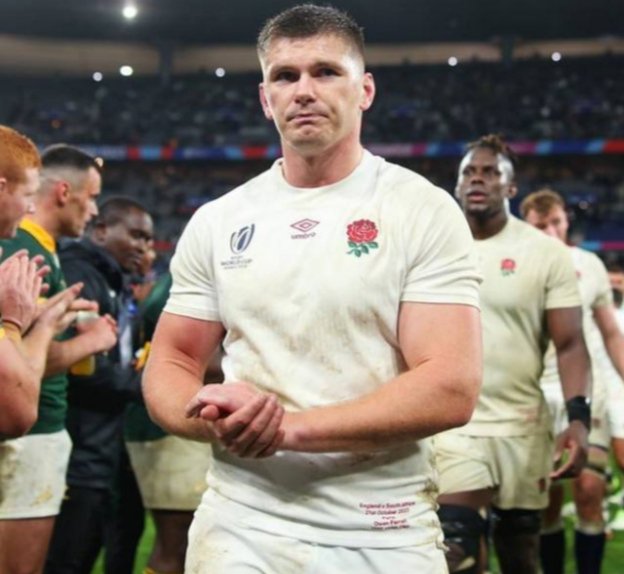
This week, England and Saracens rugby captain Owen Farrell has made a statement saying that ‘in order to prioritise his and his family’s wellbeing’, he will be taking a break from International duties. This coming from a man who has lived and breathed the sport in an extremely masculine environment is highly commendable. Yes, winning World Cups and Six Nations trophies are important. They train incredibly hard for that moment. But it is not as important as an individual or their family’s mental health. Being an elite athlete is about recognising that. He did and he has acted on it.
Another of my idols, albeit a bit before my time, is Bill Shankly. He once said, “Some people believe that football is a matter of life and death. I am very disappointed with that. I can assure you it is much more important than that.”
With the world that we live in I am sure many people will qualify in justifiably being able to disagree with him. Sport is sport. Life is life. However, as a coach myself I can understand exactly what he means. During a training session of mine or a client’s, I expect that to be the only thing that matters in that moment. Whatever is going on outside of the gym must be parked there. That is how we achieve fitness results and how elite sportspeople achieve medals and trophies. But inevitably we have a life away from that, even the professionals who are making a living from their sport. They have families. They have feelings. They are fallible. No matter what their earnings are, where they live or what car they drive, mental health does not care. It can take a hold of anybody.
Perhaps mental health is, at last, being talked about much more openly than it used to be. I knew, even as a kid, that these sportspeople that I idolised were different from their counterparts. Their behaviours didn’t always fit the acceptable requirements of their team, professional body that they represented or the media. But did they even know that they had mental health concerns? Even if they did, what options did they have?
The UK in the 80’s and 90’s was a very different place to be an upcoming sports superstar to what it is now. For the likes of Gazza, he had to perform in front of terraces known for chanting fans abusing the footballers for anything they could. Any sort of ‘weakness’ or admittance to needing help would have been disastrous for him and his career. And this baying mob mentality was led by the written press at the time. They loved his antics, but I often wondered if they were laughing with him or at him.
In my opinion, social media has nothing on the British tabloids of the 90’s. Social media has, for every bad, a cause for good too. The tabloids, however, could ruin you in an instant if you didn’t stick to its narrative. It’s hard to imagine a rugby player talking about mental health back then. So, though saddening to hear that Owen Farrell feels that he needs to step down from his England duties, it is encouraging to know that he can without being abused for it. At least from the majority of us decent folk.
Heroes aren’t just the ones who lift the trophy at the end of a game.

 Never Give Up PT