Navigating our way through life is a complicated one. We do our best. Blimey, we try. But sometimes the anxiety of our past and what is in store for our future can be a constant buzzing around our head.
With it all swirling about, we miss our nearest targets. And they’re the most important ones. In resistance training terms, I use the ‘cycle’ of training programming to reach certain goals. I’ll explain…
We might have an ultimate fitness goal of losing 60 pounds in a year. This is called a macrocycle. Macrocycles are long term goals. Athletes, especially Olympians, can even have a macrocycle target set for 4 years time which is where they are expecting to be at their peak fitness for their main event.

But having this target of losing 60 pounds within a year is not enough. That is why, in the fitness industry, we implement mesocycles. This represents the different phases of training throughout a program and could depend on seasonal adjustments for example. Again, athletes will train for strength or endurance leading up to certain events depending on what is required of them to achieve winning a meet.
But we need to break it down even further. So we use microcycles. If we go back to the 60 pound weight loss in a year goal, a microcycle can be a weekly gym plan with a calorie or nutrition target. It can even be shorter than that. It can be a daily target. Shorter still? Every meal could be calorie controlled and every gym set can be weight and rep monitored.
Very often when I speak to weight loss clients, they have a very clear idea of their macro target (“I want to lose 60 pounds by this time next year”). Their mesocycle targets are usually a little less clear but can be managed (“I want to fit into this *insert item of clothing* by the summer”).
But their microcycle almost becomes none existent. And in 90% of my client base over the past ten years, I have found that it is the microcycle that is the most important bit for them and where the role of the PT has become essential. It has been their next gym visit or daily meal plan.
You see, some people might be able to book their place for next year’s Tough Mudder and break their training time down into cycles. For the rest of us, we need to just do the next right thing.
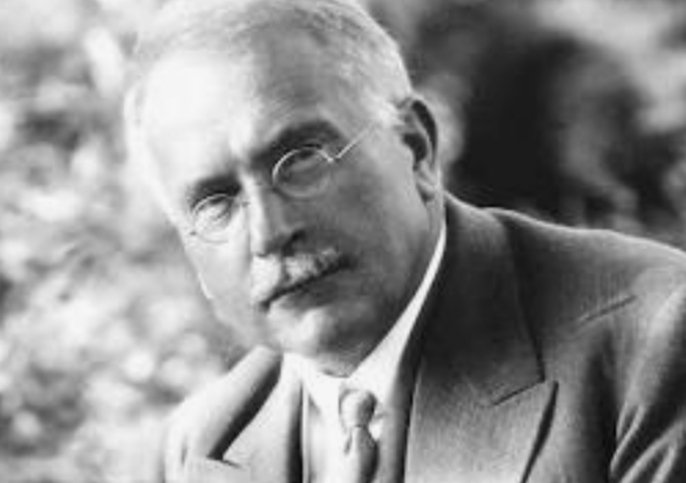
Swiss psychiatrist Carl Jung once received a letter simply asking him ‘how to live’. Jung admitted in his reply that this was an almost impossible question to answer, but he did attempt an explanation. He said…
“If you always do the next thing that needs to be done, you will go most safely and sure footedly along the path prescribed by your subconscious. Then it is naturally no point at all to speculate about how you ought to live. And you know, too, that you cannot know it, but quietly do the next and most necessary thing.”
My interpretation of this is about doing ‘the next right thing’. This could be going for a walk, booking an exercise class, preparing a nutritious meal, calling on a relative you haven’t spoken to for a while or meeting up for a coffee with a friend. The next right thing is YOUR thing, nobody else’s.
I heard the quote ‘doing the next right thing’ on the soap opera Coranation Street the other day. Having studied Jung many years ago I recalled his reply after hearing the quote on TV.
In the soap opera, the character asked her friend how she coped with the tragic death of her young son. Her friend said that she didn’t cope and never will, but each day is just about doing the next right thing.
We all live with some sort of grief, regret, anxiety or doubt. But if you can manage the next right thing in your life then it is a step closer to some sort of comfort. It can, in many cases, lead to not just a strategy of coping, but to enlightenment and happiness.
Think now about your next right step. What are you going to do?

 Never Give Up PT