As my son and I walked away from his opportunity to do football training with the older kids the other day I noticed that the anxiety had overcome him. The coach was fantastic, he tried to encourage him to join in. The kids are a good bunch, they would have welcomed my son. But the occasion got too much for him. He just couldn’t do it.
It isn’t the first time. At an open trial event at Leeds United, a similar thing happened. And there’s been lots of scenarios where he has not joined in with something because of this. He gets anxious and I get that. My first ever fitness class in front of 30 experienced class attendees was a disaster because I could hardly get my words out or move my feet. Not a good start for a coach trying to lead the class!
Being good at something and even excelling to become successful at it requires much more than skill and intelligence. My son has this at football in abundance. His ‘football brain’ is excellent for a 9 year old. He has an instinctive mind of knowing what to do in certain situations of a game that is unusual to have at his age. But it’s no use if he can’t walk onto the pitch to showcase this ability. This is a different skill entirely.
Turning anxiety into excitement is an art.
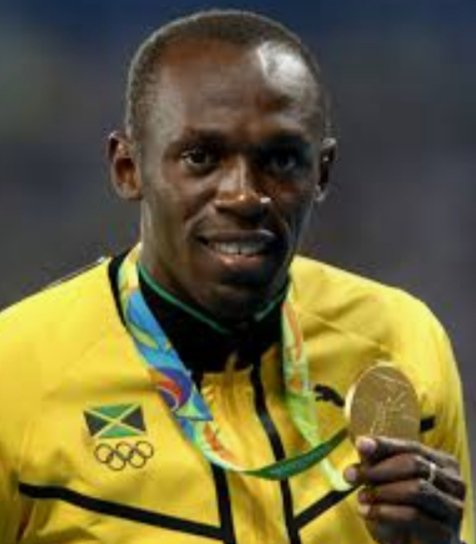
American author Simon Sinek has spoken about the Nerves Vs Excitement situation. During the Olympics he observed that the interviewers would ask the athlete if they were nervous about their upcoming event. Almost in every reply, the athlete said that they felt excited. An elite athlete who has reached the peak of competing at the Olympics won’t get nervous. Despite their talents, had the nerves gotten the better of them then they surely wouldn’t have made the cut to represent their country at the Olympics in the first place.
We could define being nervous as having sweaty palms, a faster heart beat and a future cognitive thought process whereby our minds come up with negative outcomes such as tripping up, losing or getting injured.
And yet excitement could be defined in a very similar way. Sweaty palms, a faster heart beat and, as for the future cognition, this would be our minds coming up with positive outcomes such as winning a gold medal, breaking a personal best and celebrating.
But the interviewers are actually commenting on their emotions. It is them who would feel anxious. They’re not the elite athlete.
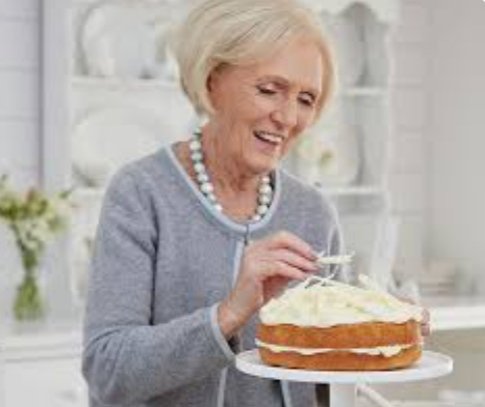
And this can be seen in many other, non-sporting contexts. The Great British Bake off contestants will talk of being nervous about baking a cake. Mary Berry would feel excited. She is an expert and the contestants are amateur bakers.
So these elite athletes and Mary Berry have one thing in common and that is the fact that they have practiced their craft a million times before. And during this time there will have been some disastrous events and many soggy bottoms, but they kept on going. Practicing and perfecting their skill until it wasn’t daunting to them in any way, just exciting.
I could only get over my fears as a class fitness instructor by going back to the class each week and training my emotions to get better at it. I knew that I could lead a class, but I had to keep repeating it several times to lose the nerves.
And I know that, had my son trained with the older kids the other day, then he would have been a little bit more prepared for the next week. And the week after. And the week after that. Until a time would come where he felt nothing but excitement to train with them.
One way in which I worked with my initial anxiety about my first few classes was to announce to the participants that I was nervous. I even tried to laugh and make a joke of it. This broke down any barriers that were there between me and the class participants. I became one of them. After all, there are plenty of gym goers who are extremely anxious about stepping into a gym. Them knowing that I was nervous too, seemed to put us all at ease. We could work through it together. I am now about to stand in front of a class full of people whether it be two people or two hundred! The adrenaline would be there, but it would be excitement and not nerves.
We don’t need to be elite athletes to transfer anxiety into excitement, but we do need to keep turning up. Start by thinking about what could go right instead of what could go wrong. Sure, such as life, things won’t always go as you would like, but if you can be at peace with that in mind then the rewards are massive.
Just remember, we can all be guilty of a soggy bottom before we create a masterpiece.

 Never Give Up PT