A few weeks ago I wrote an article on a doctor’s appointment that I had made. This was my first visit to see a doctor in over 3 years. With a dash of procrastination and a good sprinkling of Covid lockdowns I had created a recipe of anxiety and paranoia regarding going to see my GP.
I was prompted in making this long overdue appointment because I had noticed a few aches and pains in my abdomen that seemed new. I had to do it.
Anyway, yesterday I saw my doctor who prodded and poked, asked me lots of questions and took readings. He surmised that my discomfort was probably musculoskeletal pain which was down to my job and the work I do in the gym.
Now, DOMS (delayed onset of muscle soreness) is a pain like no other. I know this pain and I can confidently identify this in my clients. But musculoskeletal pain such as sprains, strains or tendon and ligament damage due to overuse and over stretching (or under use) are pretty common too. The doctor booked me in for blood tests just to be safe but he was quite satisfied with what he’d heard and seen for it to be nothing more than musculoskeletal pain that will heal over time.
With the self diagnosis and Dr Google keeping me awake at night, I was happy with his verdict. It was much better than what I’d imagined in my irrational mind.
But there was something else he said that, well, quite frankly I wanted the very words framing and hanging on my sitting room wall. He called me an athlete.
Yes. As he listened to my heart beat he referred to me as an athlete.
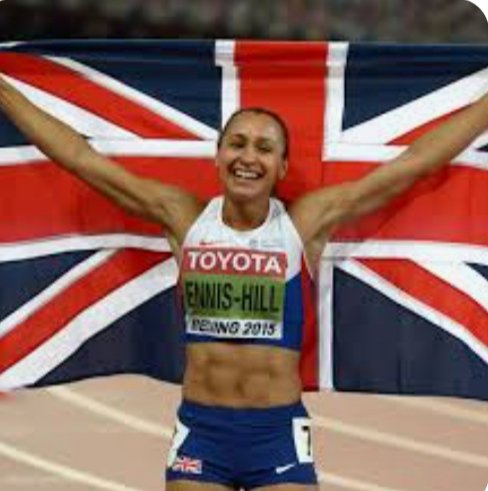
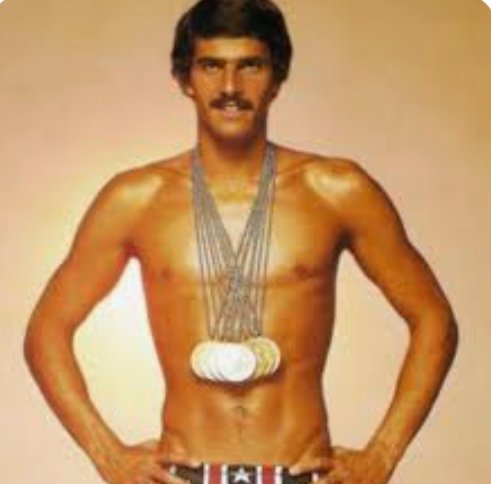
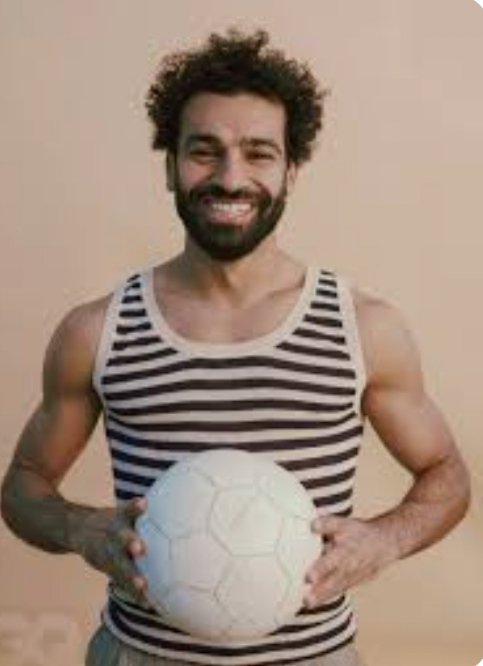
Images of Jessica Ennis hurdling to Olympic gold came to mind. Mark Spitz swimming towards breaking another record. Mo Salah sprinting through the opposition defence to score a goal. And then me. I’m not a record breaker or an Olympian and I’m not a Golden Boot winner in the Premier League. But I am an athlete. The good news is that, if you exercise regularly, you might well be an athlete too.
The doctor went on to say that due to my exercise routine I have shallower breathing because my heart is pumping oxygen to my working muscles. To cope with this demand, my breathing increases to remove carbon dioxide from my body. And depending on the intensity of my training, breathing can become shallower but with an increase in my breathing long after the exercise routine.
This regularly puts my body in the ‘fat burning zone’ due to the work I am expecting my body to do for its recovery.
Ok. I jest when I put myself into the same category of professionals and those who dedicate their lives to their sport. They live and breathe it. What they eat, their sleep patterns and the years and years of practice. They get sponsored and paid to do it too! As a PT I’m dedicated alright, but I’m also an average gym goer who has a life outside of the gym.
But isn’t it amazing what the average gym goer can achieve with the right routines and intensity? We can be athletes too. We can achieve goals by knowing what our bodies are capable of and fine tuning it to do what we ask of it.
A lot of what an athlete must do is what we need to do too, of course. We need to be mindful of what we eat. We need regular sleep. And we simply just need to turn up even if we don’t fancy it sometimes. Yes, even on a cold and windy night in Stoke. We can’t pretend to be athletes. We need to play the part and become one. And even at 43 I am one. My doctor told me so.

 Never Give Up PT