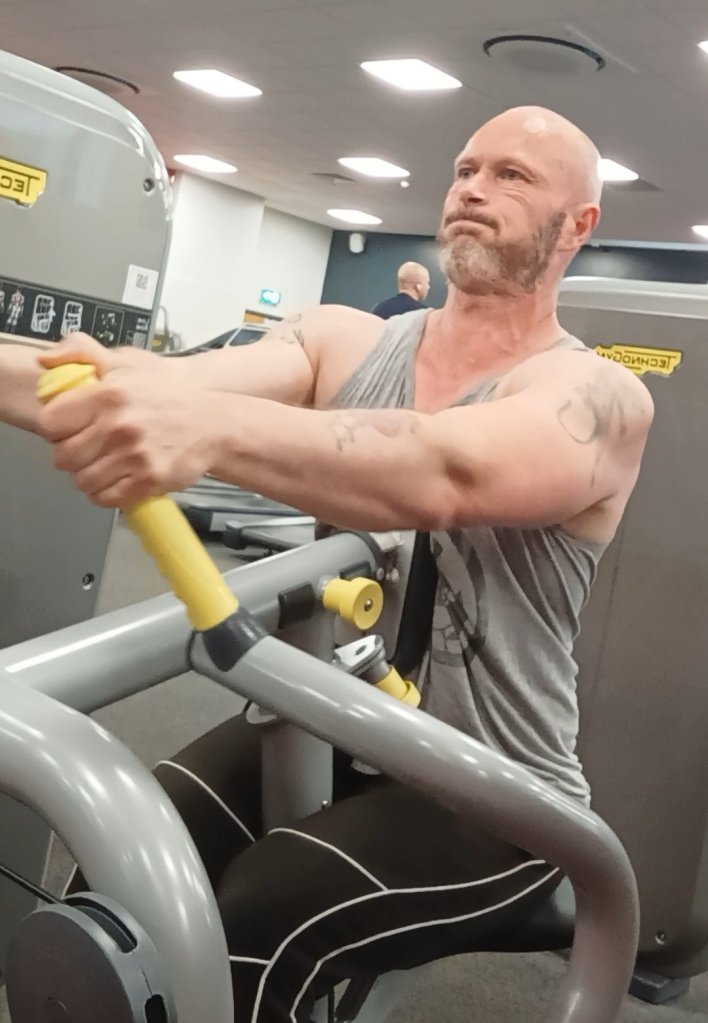
My usual gym routine is from Monday to Friday. The weekends are generally for family time and relaxing away from formal exercise. It works for me. There’s no set rule that works regarding a training plan. Perhaps my ideal plan would be having two rest days that aren’t together but personal circumstances have to be accounted for.
What training a full five days in a row allows me to do is have a definitive day in which I can begin a wind down in the intensity of my workouts. I can’t hammer my body every single day with heavy compounds. Indeed, I believe in my 420 reps workout that I have developed for others so much so that I am doing it myself. This means that once Thursday’s session is over I have completed over 1500 reps. By Friday, my body is telling me that I need a little assistance from machines!
And this is exactly what the resistance machines are perfect for. They provide much more relief for the body and it isn’t just the physical aspect that needs the respite. Neuromuscular Innovation, or more commonly known as the mind-muscle connection, takes its toll on the brain. The thought process of connecting with your target muscle in a bench press scenario is much greater than on a press machine.
Foot positioning, core engagement, time under tension, breathing and the contraction are all crucial components of a bench press. Sure, there’s still the necessary check list to go through on a machine but in no way is it as thorough. Therefore, instead of risking injury with sloppy end of the week technique, I still get to workout without breaking myself.
It does concern me, however, how overused these machines get. I get the impression that lots of gym goers use them because they haven’t been shown how to squat, deadlift, bench press or barbell row. Their inductions usually include a brisk talk through these machines, so why would they use anything else?!
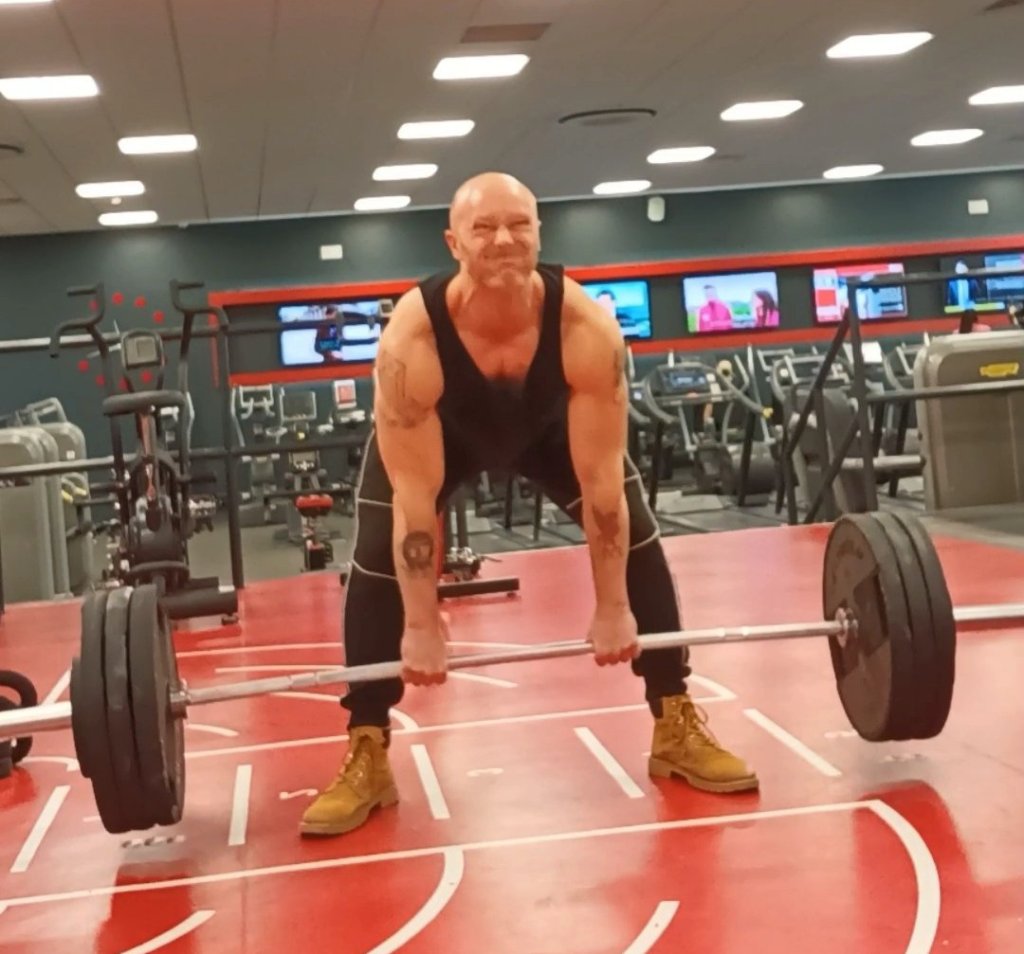
When I did gym inductions I went through deadlift form as a priority. It is a free weight compounds that requires the whole body to move and work together as one. I can analyse the hip extensors and knee flexors of the participant and get an understanding of overall strength and fitness levels. Without it, I would struggle to know what machine or what type of exercises a new gym member should be doing. So I am perplexed as to how the gym staff know. Introducing them to an ab crunch machine is way way off of where most new gym members need to be.
And don’t get me started on an ab crunch machine. An over reliance on a resistance machine can cause injury, but an ab machine can be particularly dangerous. The deep abdominal muscles, together with the back muscles support and protects the spine. I cringe as I see yet another gym member rocking wildly like a wound up toy trying to work their abs. Back pain is the biggest reason for staff sickness in the UK and until we begin to train our lower backs correctly this statistic won’t change.
The Final Word
Resistance machines are a great way to supplement your workouts. A heavy session on the bench or in the dumbbell section takes a lot out of us physically and on the nervous system. Rounding off a session on the machines or cables can be a perfect finish. But we can’t rely on them to reach our goals, be it injury rehabilitation, weight control, muscle gain or movement. If you are completely new to the gym then I would recommend starting in the free weights area with a trainer who knows what they’re doing.
That you for reading this article. If you have any questions on this or any of my practices then do get in touch!
Shay PT.

 Never Give Up PT